Stephen Kovacevich

Classical
Orchestral
Chamber Music
 Viberate Rank: 154437
 Viberate Rank: 154437
 Monthly ListenersFollowers
 Subscribers
 Followers
 Followers
 FansTop Spotify Songs
| Track | 7-Day Streams | |
|---|---|---|
1 | 46.02K | |
2 | 3.38K | |
3 | 3.22K | |
4 | 1.46K | |
5 | 1.01K |
Top YouTube VideosMonthly ListenersFeatured in Playlists| Playlist | Followers | |
|---|---|---|
1 |  Beethoven Piano Spotify | 142.19K |
2 |  Easy Listening Classical For Study, Work, Relaxing, Chillout, Anything But Serious Listening Ulysses' Classical | 99.25K |
3 | "Clasica" Yesenia Melendez Castellanos | 96.95K |
4 | amandaemcee | 69.74K |
5 | Mat Young | 67.69K |
Audience| City | Monthly Listeners | |
|---|---|---|
1 |  | 4.86K |
2 |  | 3.19K |
3 |  | 2.75K |
4 |  | 2.70K |
5 |  | 2.61K |
See full performance history, audience data, playlist activity, rankings, comparisons, and more in Viberate music analytics. Start with a free trial, then continue with a paid plan.
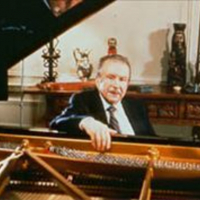
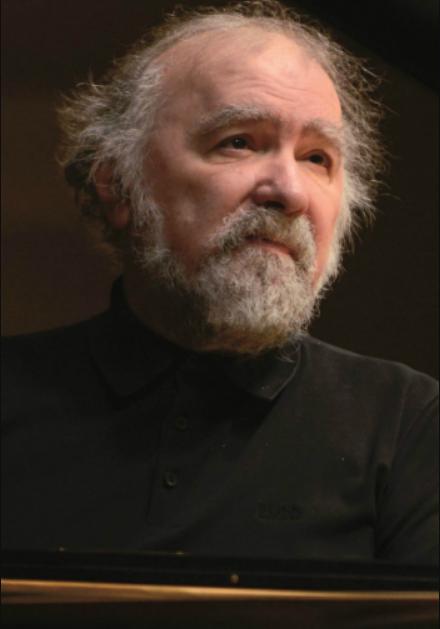
Stephen Kovacevich’s Spotify BioA highly regarded pianist featured in the Philips label's Great Pianists of the 20th Century series, Stephen Kovacevich is particularly known for his original approach to the standard classical repertoire. Prominent in his repertoire is the music of such composers as Bach, Mozart, Beethoven, Schubert, Schumann, Grieg, Brahms, and Bartók, but he is also an acclaimed interpreter of contemporary music, including Tippett's Piano Concerto and Richard Rodney Bennett's concerto (which was dedicated to Kovacevich). Born Stephen Bishop, he added his Croatian mother's surname, Kovacevich, in 1975, just in time to avoid confusion with popular singer-songwriter Stephen Bishop. Later in his career, however, he decided to use just the Croatian surname. He played his first concert in San Francisco, at the age of 11. When he was 14, he played Ravel's Piano Concerto in G major and Schumann's Piano Concerto in A minor with the San Francisco Symphony Orchestra. In 1959, Kovacevich went to London, where… he studied with Dame Myra Hess. A highly influential teacher, Myra Hess recognized and encouraged Kovacevich's affinity with Beethoven's music, particularly the works form his late period. On his London debut, in 1961, Kovacevich played Beethoven's "Diabelli" Variations to enthusiastic reviews. Following his London triumph, Kovacevich embarked on a brilliant international career, performing with many major orchestras and making numerous acclaimed recordings, including legendary performances with Martha Argerich and Jacqueline du Pré. Kovacevich, who has played all of Mozart's concertos, is also known for his acclaimed series of Schubert's and Beethoven's sonatas. A particularly memorable performance is his interpretation of Brahms's Piano Concerto No. 1, with Sawallisch, which received the 1993 Gramophone Award. He has an exclusive recording contract with EMI International. In 1984, Kovacevich started a conducting career, and has since conducted the Austrialian Chamber Orchestra and the Irish Chamber Orchestra. Also known for his support of contemporary composers, Kovacevich commissioned Stephen Montague's Southern Lament and performed the premiere at the 1997 Cheltenham International Music Festival. Also a teacher, Kovacevich has published a scholarly edition of Schubert's piano music.
Viberate is a music analytics platform built for A&Rs, artist managers, labels, booking agents, marketers, and artists.
It helps music professionals track artist growth, analyze audience data, monitor playlist activity, compare artists, follow song performance, and identify opportunities across the music market.
Public artist pages provide a free preview of selected artist data. Paid plans provide access to deeper analytics, historical data, charts, comparisons, playlist tools, exports, alerts, reports, and additional professional features.
Yes. Public Viberate artist pages provide selected artist analytics and music data for free.
Viberate also offers a 7-day free trial of the full platform. A credit card is required to start the trial. The trial includes access to the complete product so users can test deeper artist analytics, historical views, playlist insights, comparisons, charts, exports, alerts, and reporting features before choosing a paid plan.
Viberate provides artist analytics across streaming, playlists, social media, video, radio airplay, songs, and audience markets.
Users can analyze Spotify performance, Spotify and Apple Music playlists, YouTube activity, TikTok and Instagram growth, radio spins, song performance, audience locations, demographics, rankings, and overall artist momentum.
Artist profiles also connect to music charts, similar artists, and comparison tools, helping users benchmark performance and evaluate artists in context.
Viberate updates key artist and track data daily.
For followed artists and tracks, selected data is refreshed multiple times per day. This helps teams monitor playlist changes, streaming movement, audience growth, releases, and campaign performance with more current data.
Update frequency can vary depending on the metric and data source.
Yes. Viberate lets users compare up to five artists side by side across streaming, social media, audience, and engagement metrics.
Users can compare fanbase growth, audience demographics, locations, Spotify performance, social metrics, and other artist data over selected time periods.
Artist comparison can be used for A&R scouting, benchmarking, booking decisions, campaign planning, and evaluating artists with similar audiences or market positions.