Stephen Hough

Classical
Chamber Music
Orchestral
 Viberate Rank: 82087
 Viberate Rank: 82087
 Monthly ListenersFollowers
 Subscribers
 Followers
 Followers
 FansTop Spotify Songs
| Track | 7-Day Streams | |
|---|---|---|
1 | 48.96K | |
2 | 36.55K | |
3 | 24.78K | |
4 | 14.16K | |
5 | 8.61K |
Top YouTube VideosMonthly ListenersFeatured in Playlists| Playlist | Followers | |
|---|---|---|
1 |  Classical Essentials Spotify | 3.82M |
2 |  Calming Classical Spotify | 1.35M |
3 |  Pop Goes Classical Spotify | 1.03M |
4 |  Dark Academia Classical Spotify | 1.01M |
5 |  Chilled Classical Spotify | 888.60K |
Audience| City | Monthly Listeners | |
|---|---|---|
1 | | 14.32K |
2 |  | 7.43K |
3 |  | 7.21K |
4 |  | 6.74K |
5 |  | 6.10K |
See full performance history, audience data, playlist activity, rankings, comparisons, and more in Viberate music analytics. Start with a free trial, then continue with a paid plan.
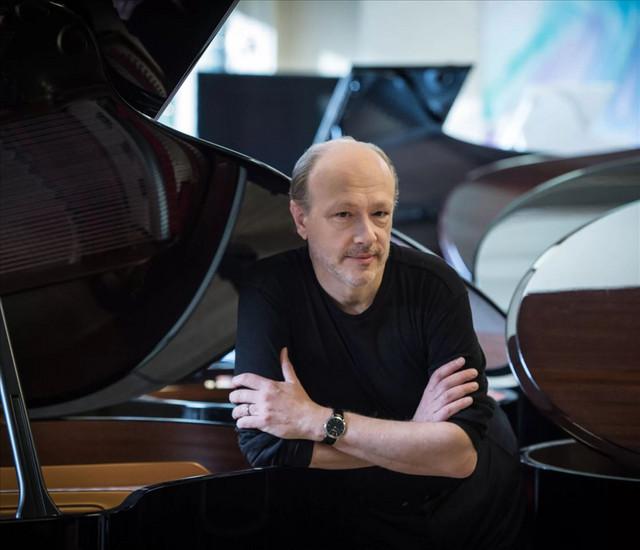
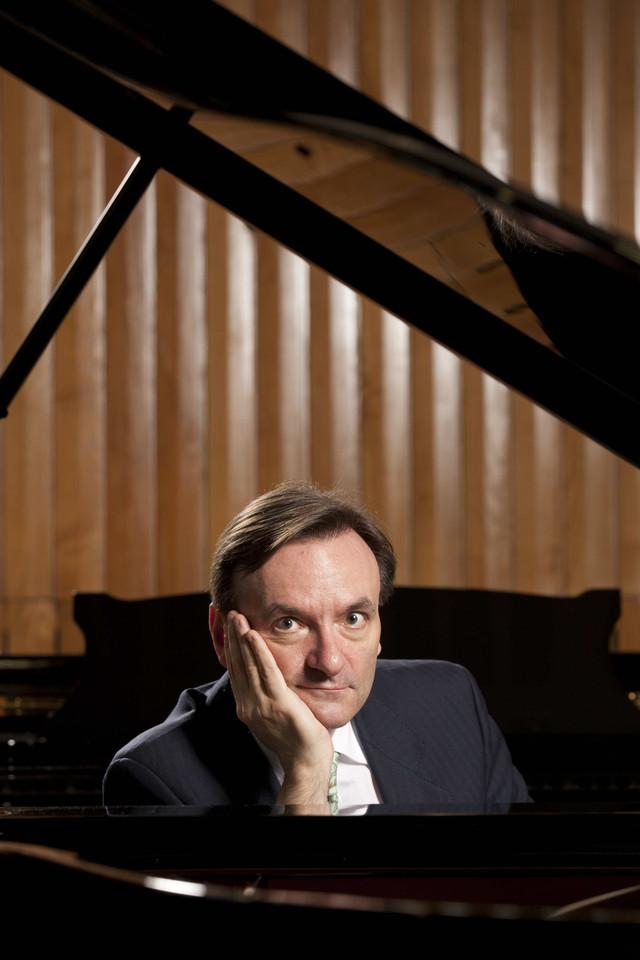
Stephen Hough’s Spotify BioPianist Stephen Hough is prolific and adventurous, with a large repertory ranging from familiar works to obscurities to music of his own. He is an enthusiastic chamber music player, a writer, and an exhibited visual artist.
Hough (pronounced "huff") was born in Heswall in the English county of Merseyside and grew up in nearby Thelwall, where he took up the piano at the age of five after pestering his parents to acquire a piano from a secondhand shop. Hough's father was an Australian-born steel company representative, and Hough took Australian citizenship in 2005 in his honor. He made rapid progress but took a year off after being mugged when he was 12. Hough graduated from Chetham's School of Music in Manchester and the Royal Northern College of Music. In 1978, he was a finalist in the BBC Young Musician of the Year competition, and he went on for a master's degree at the Juilliard School in New York. In that city, he won the prestigious Naumburg International Piano Competition in 1983,… and his career was launched. His repertory and his performing experience are vast, and he has been noted for championing less-often-heard composers such as Johann Nepomuk Hummel, Federico Mompou, and York Bowen in addition to works of the 18th and 19th century mainstream. Hough also often programs his own works, more than 30 of which have been published. Not all are for piano solo; his Trio for piccolo, contrabassoon, and piano ("Was mit den Tränen geschieht") was premiered by members of the Berlin Philharmonic in 2009. Hough is an award-winning poet, a newspaper columnist, a writer on such unusual subjects as perfume, and an artist whose paintings were shown at London's Broadbent Gallery in 2012.
Hough is especially noted for the depth and breadth of his recording catalog, which dates back to the late 1980s and numbers more than 60 items. His recordings include standard repertory works, unusual music from the past, contemporary pieces by the likes of Lowell Liebermann, and innovative thematic recordings such as New York Variations, which won Time magazine's Classical Album of the Year nod in 1998. Since the mid-1990s, Hough has recorded mostly for the Hyperion label, where he has issued complete cycles of the piano concertos of Beethoven and Saint-Saëns. In 2021, he released the recital Vida breve, featuring music by Bach, Chopin, and Liszt, as well as his own piano sonata by that title. Hough became the first classical pianist honored by a MacArthur Foundation "genius grant" in 2001, and in 2014, he was made Commander of the Order of the British Empire. He has taught at the Royal Academy of Music in London, the Royal Northern College of Music in Manchester, and the Juilliard School in New York.
Viberate is a music analytics platform built for A&Rs, artist managers, labels, booking agents, marketers, and artists.
It helps music professionals track artist growth, analyze audience data, monitor playlist activity, compare artists, follow song performance, and identify opportunities across the music market.
Public artist pages provide a free preview of selected artist data. Paid plans provide access to deeper analytics, historical data, charts, comparisons, playlist tools, exports, alerts, reports, and additional professional features.
Yes. Public Viberate artist pages provide selected artist analytics and music data for free.
Viberate also offers a 7-day free trial of the full platform. A credit card is required to start the trial. The trial includes access to the complete product so users can test deeper artist analytics, historical views, playlist insights, comparisons, charts, exports, alerts, and reporting features before choosing a paid plan.
Viberate provides artist analytics across streaming, playlists, social media, video, radio airplay, songs, and audience markets.
Users can analyze Spotify performance, Spotify and Apple Music playlists, YouTube activity, TikTok and Instagram growth, radio spins, song performance, audience locations, demographics, rankings, and overall artist momentum.
Artist profiles also connect to music charts, similar artists, and comparison tools, helping users benchmark performance and evaluate artists in context.
Viberate updates key artist and track data daily.
For followed artists and tracks, selected data is refreshed multiple times per day. This helps teams monitor playlist changes, streaming movement, audience growth, releases, and campaign performance with more current data.
Update frequency can vary depending on the metric and data source.
Yes. Viberate lets users compare up to five artists side by side across streaming, social media, audience, and engagement metrics.
Users can compare fanbase growth, audience demographics, locations, Spotify performance, social metrics, and other artist data over selected time periods.
Artist comparison can be used for A&R scouting, benchmarking, booking decisions, campaign planning, and evaluating artists with similar audiences or market positions.