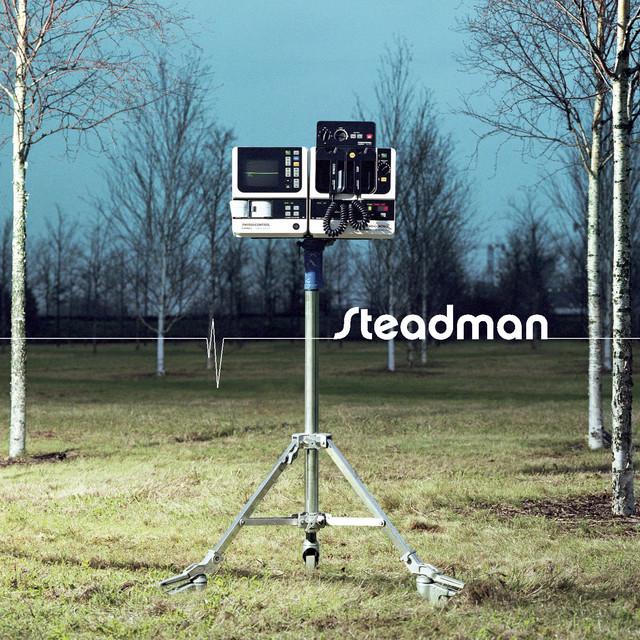
Steadman

Rock
Alternative Rock
Indie Rock
 Viberate Rank: 265416
 Viberate Rank: 265416
 Monthly ListenersFollowers
 Subscribers
 Followers
 Followers
 FansTop Spotify Songs
| Track | 7-Day Streams | |
|---|---|---|
1 | 15.30K | |
2 | 404 | |
3 | 121 | |
4 | 89 | |
5 | 81 |
Top YouTube VideosMonthly ListenersFeatured in Playlists| Playlist | Followers | |
|---|---|---|
1 |  SMALLVILLE SONGS Oscar Moreno | 143.82K |
2 |  Smallville Lachlan Carney | 51.59K |
3 | Smallville: The Complete Soundtrack wyattpoulton | 40.35K |
4 | Smallville Soundtrack j_joen | 34.24K |
5 | Rock 90’s & 2000 Fernando Enriquez Tell | 16.94K |
Audience| City | Monthly Listeners | |
|---|---|---|
1 |  | 2.07K |
2 |  | 1.01K |
3 |  | 655 |
4 | | 643 |
5 | | 539 |
See full performance history, audience data, playlist activity, rankings, comparisons, and more in Viberate music analytics. Start with a free trial, then continue with a paid plan.
Steadman’s Spotify BioFormerly known as the Dharmas, Steadman is a melodic Brit-pop, alternative pop/rock outfit that has been compared to Radiohead, Oasis, and Suede, among others. The band was formed in Hastings, England, in 1998, and after playing its share of U.K. gigs, the Dharmas signed with Arista's British division. But things didn't work out with Arista; eventually, the Dharmas were able to get out of the contract, change their name to Steadman and record independently. Lead vocalist/songwriter Simon Steadman started his own label, Freeloader Recordings, in the late '90s, and the band's debut album, Loser Friendly, came out on Freeloader in England in 1999. Then, in 2000, the CD was released in the U.S. by the Los Angeles-based Ozone Recording Company (ORC). Loser Friendly employs most of Steadman's original lineup, including Simon Steadman, bassist David Walton, and drummer Russell Field. However, keyboardist Ellie Wyatt was replaced by Chris Murphy and guitarist James Board is a recent addition.… ~ Alex Henderson, Rovi
Viberate is a music analytics platform built for A&Rs, artist managers, labels, booking agents, marketers, and artists.
It helps music professionals track artist growth, analyze audience data, monitor playlist activity, compare artists, follow song performance, and identify opportunities across the music market.
Public artist pages provide a free preview of selected artist data. Paid plans provide access to deeper analytics, historical data, charts, comparisons, playlist tools, exports, alerts, reports, and additional professional features.
Yes. Public Viberate artist pages provide selected artist analytics and music data for free.
Viberate also offers a 7-day free trial of the full platform. A credit card is required to start the trial. The trial includes access to the complete product so users can test deeper artist analytics, historical views, playlist insights, comparisons, charts, exports, alerts, and reporting features before choosing a paid plan.
Viberate provides artist analytics across streaming, playlists, social media, video, radio airplay, songs, and audience markets.
Users can analyze Spotify performance, Spotify and Apple Music playlists, YouTube activity, TikTok and Instagram growth, radio spins, song performance, audience locations, demographics, rankings, and overall artist momentum.
Artist profiles also connect to music charts, similar artists, and comparison tools, helping users benchmark performance and evaluate artists in context.
Viberate updates key artist and track data daily.
For followed artists and tracks, selected data is refreshed multiple times per day. This helps teams monitor playlist changes, streaming movement, audience growth, releases, and campaign performance with more current data.
Update frequency can vary depending on the metric and data source.
Yes. Viberate lets users compare up to five artists side by side across streaming, social media, audience, and engagement metrics.
Users can compare fanbase growth, audience demographics, locations, Spotify performance, social metrics, and other artist data over selected time periods.
Artist comparison can be used for A&R scouting, benchmarking, booking decisions, campaign planning, and evaluating artists with similar audiences or market positions.