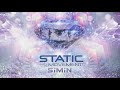
Static Movement

Electronic
Psy Trance
Trance
 Viberate Rank: 84300
 Viberate Rank: 84300
 Monthly ListenersFollowers
 Subscribers
 Followers
 Followers
 FansTop Spotify Songs
| Track | 7-Day Streams | |
|---|---|---|
1 | 4.75K | |
2 | 4.29K | |
3 | 3.48K | |
4 | 2.66K | |
5 | 2.33K |
Top YouTube VideosMonthly ListenersFeatured in Playlists| Playlist | Followers | |
|---|---|---|
1 |  PSYCHO TRANCE / PSYTRANCE Victor Manuel AT | 89.31K |
2 |  Best Psychedelic Trance of All Time Daniel Auer | 67.56K |
3 |  Psychedelic Trance Marcel Huber | 65.83K |
4 |  This Is Neelix Spotify | 65.21K |
5 |  Cutting Edge Psy-Trance Kenneth Karmatrix | 59.03K |
Audience| City | Monthly Listeners | |
|---|---|---|
1 |  | 2.88K |
2 |  | 1.82K |
3 | | 1.69K |
4 |  | 1.48K |
5 | | 875 |
See full performance history, audience data, playlist activity, rankings, comparisons, and more in Viberate music analytics. Start with a free trial, then continue with a paid plan.
Static Movement’s Spotify BioStatic Movement has had music running through his veins since he was born in Ukraine 1984 as Shahar Shtrikman. Inspired by his talented Mother’s piano playing, Shahar too was playing this classic instrument at the tender age of six. In 1990 he moved to Tel Aviv, Israel with his family. A few years later in 1996 some friends introduced him to Trance music, and it wasn’t long until Shahar was using the program ‘Impulse Tracker’ to produce his own music under his first act name ‘Impulser’.
By 2011 his act ‘Static Movement’ was born. It was through beautiful melodies, captivating story telling, and high sound quality production skills that Static Movement became hugely successful. Shahar was able to express his intense deep feelings into the music and create his magical signature sound; that resonated with so many. The release of 6 albums (‘Circle of ‘Life, ‘Sol’, ‘Sian’, ‘Simin’, ‘Voices from Heaven’ and ‘Underwater’), more than 100 tracks on major labels including: Iono Music, Iboga… Records, Spintwist Records, Blue Tunes Records and his own label Sol Records, collaboration singles with legends of the scene like Ranji, Sesto Sesto, Cosmic Tone and Gaudium; as well as remixing for high calibre artists; Morten Granau, Liquid Soul, Protonica and Vini Vici; has solidified Static Movement as a stable headlining act in the scene; playing gigs all over the world.
Viberate is a music analytics platform built for A&Rs, artist managers, labels, booking agents, marketers, and artists.
It helps music professionals track artist growth, analyze audience data, monitor playlist activity, compare artists, follow song performance, and identify opportunities across the music market.
Public artist pages provide a free preview of selected artist data. Paid plans provide access to deeper analytics, historical data, charts, comparisons, playlist tools, exports, alerts, reports, and additional professional features.
Yes. Public Viberate artist pages provide selected artist analytics and music data for free.
Viberate also offers a 7-day free trial of the full platform. A credit card is required to start the trial. The trial includes access to the complete product so users can test deeper artist analytics, historical views, playlist insights, comparisons, charts, exports, alerts, and reporting features before choosing a paid plan.
Viberate provides artist analytics across streaming, playlists, social media, video, radio airplay, songs, and audience markets.
Users can analyze Spotify performance, Spotify and Apple Music playlists, YouTube activity, TikTok and Instagram growth, radio spins, song performance, audience locations, demographics, rankings, and overall artist momentum.
Artist profiles also connect to music charts, similar artists, and comparison tools, helping users benchmark performance and evaluate artists in context.
Viberate updates key artist and track data daily.
For followed artists and tracks, selected data is refreshed multiple times per day. This helps teams monitor playlist changes, streaming movement, audience growth, releases, and campaign performance with more current data.
Update frequency can vary depending on the metric and data source.
Yes. Viberate lets users compare up to five artists side by side across streaming, social media, audience, and engagement metrics.
Users can compare fanbase growth, audience demographics, locations, Spotify performance, social metrics, and other artist data over selected time periods.
Artist comparison can be used for A&R scouting, benchmarking, booking decisions, campaign planning, and evaluating artists with similar audiences or market positions.