Stary Olsa

European
Other European Music
 Viberate Rank: 143245
 Viberate Rank: 143245
 Monthly ListenersFollowers
 Subscribers
 Followers
 Followers
 FansTop Spotify Songs
| Track | 7-Day Streams | |
|---|---|---|
1 | 2.45K | |
2 | 2.22K | |
3 | 1.70K | |
4 | 1.08K | |
5 | 961 |
Top YouTube Videos| Video | 7-Day Views | |
|---|---|---|
1 | 1.84K | |
2 | 1.47K | |
3 | 767 | |
4 | 757 | |
5 | 709 |
Monthly ListenersFeatured in Playlists| Playlist | Followers | |
|---|---|---|
1 |  Fantasy Tavern Music Fiddlewold (profile) | 62.05K |
2 | Bardcore Covers Sebastian Jones | 44.56K |
3 |  Tavern Music Trent Adams | 34.77K |
4 |  🍻 DnD | Taverns and Inns Everrealm Records | 34.25K |
5 |  Tavern Music for D&D severin.bartmess | 18.23K |
Audience| City | Monthly Listeners | |
|---|---|---|
1 |  | 523 |
2 | | 434 |
3 |  | 285 |
4 | | 207 |
5 |  | 193 |
See full performance history, audience data, playlist activity, rankings, comparisons, and more in Viberate music analytics. Start with a free trial, then continue with a paid plan.
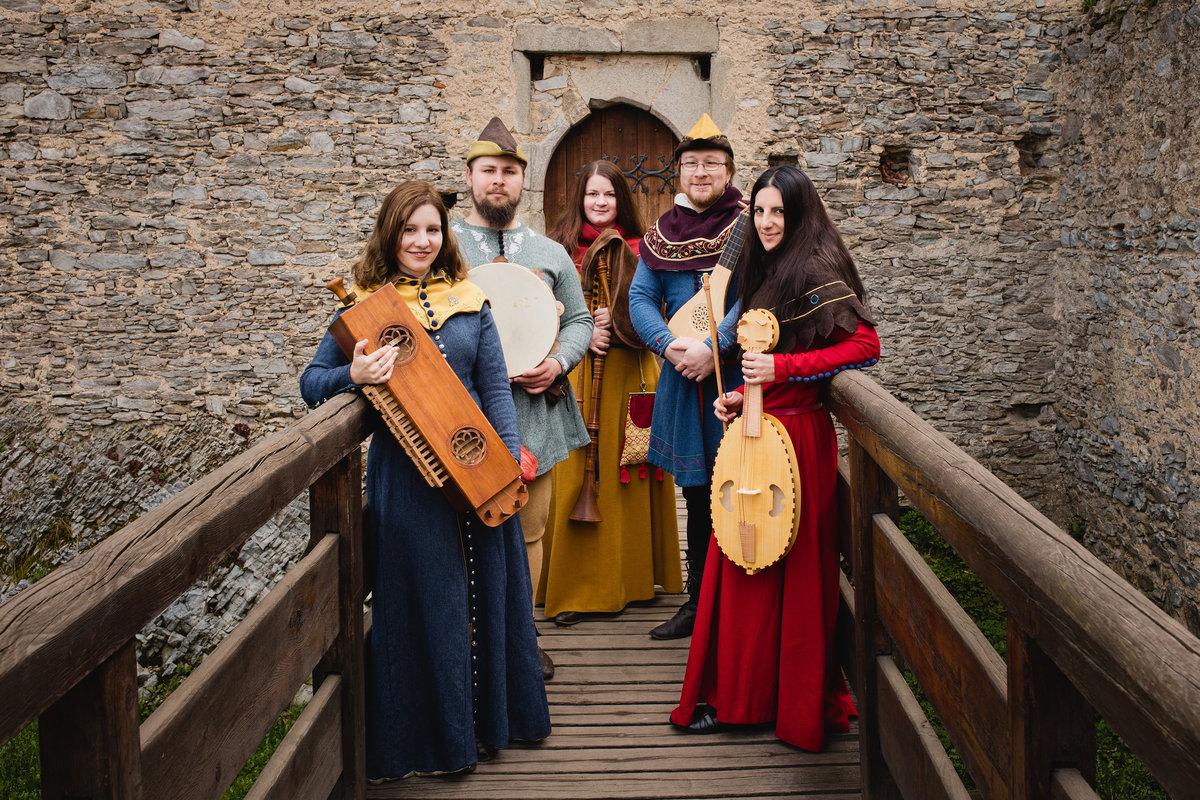
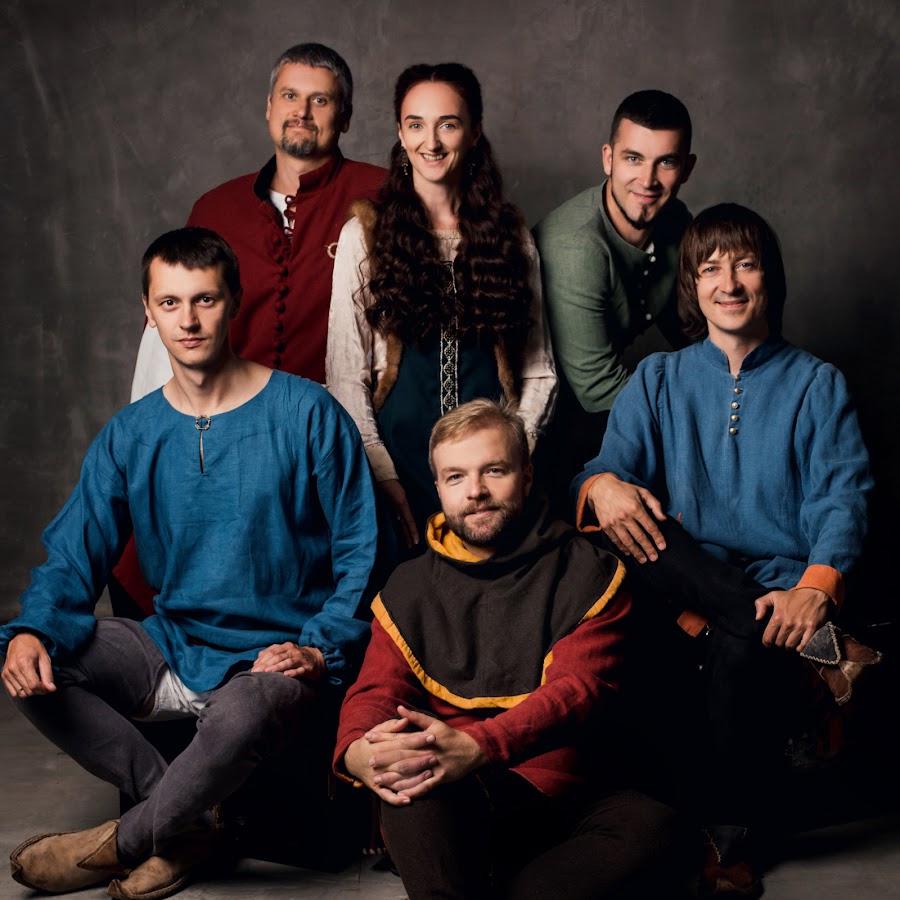
Stary Olsa’s Spotify BioStary Olsa is an early music band from Minsk, Belarus. It was founded in 1999 by its present leader Zmicier Sasnoŭski and now consists of six musicians. Stary means "old" and Olsa is the name of an old brook in the central part of Belarus. Stary Olsa’s path is deeply and inextricably linked to the traditional culture, history and musical traditions of the Grand Duchy of Lithuania.
The band's music makes it possible to restore sounds of many forgotten instruments, which have been reproduced with authentic materials and techniques. Stary Olsa uses maximal exact copies of old aged instruments such as Belarusian bagpipes, hurdy-gurdy, gusli (Baltic psaltery), jew's-harp, ocarina, Belarusian trumpet, rebec, shawms, lute, cister, tromba marina, native flutes, drums.
Stary Olsa has recorded 14 albums (10 studio albums, 3 live albums, 1 audio spectacle), 2 singles, and the band's music is included into seven collections of early music. The band's repertoire includes Belarusian folk balladry and… martial songs, dances, works of Belarusian Renaissance composers, compositions from aulic music collections (e.g. Polack Notebook, Vilnian Notebook), Belarusian canticles of the 16th - early 17th centuries, as well as European popular melodies of the Middle Ages and Renaissance.
Besides its own concerts, the band performs at medieval festivals, spear-runnings, folklore and music festivals in Eastern and Western Europe, USA.
Viberate is a music analytics platform built for A&Rs, artist managers, labels, booking agents, marketers, and artists.
It helps music professionals track artist growth, analyze audience data, monitor playlist activity, compare artists, follow song performance, and identify opportunities across the music market.
Public artist pages provide a free preview of selected artist data. Paid plans provide access to deeper analytics, historical data, charts, comparisons, playlist tools, exports, alerts, reports, and additional professional features.
Yes. Public Viberate artist pages provide selected artist analytics and music data for free.
Viberate also offers a 7-day free trial of the full platform. A credit card is required to start the trial. The trial includes access to the complete product so users can test deeper artist analytics, historical views, playlist insights, comparisons, charts, exports, alerts, and reporting features before choosing a paid plan.
Viberate provides artist analytics across streaming, playlists, social media, video, radio airplay, songs, and audience markets.
Users can analyze Spotify performance, Spotify and Apple Music playlists, YouTube activity, TikTok and Instagram growth, radio spins, song performance, audience locations, demographics, rankings, and overall artist momentum.
Artist profiles also connect to music charts, similar artists, and comparison tools, helping users benchmark performance and evaluate artists in context.
Viberate updates key artist and track data daily.
For followed artists and tracks, selected data is refreshed multiple times per day. This helps teams monitor playlist changes, streaming movement, audience growth, releases, and campaign performance with more current data.
Update frequency can vary depending on the metric and data source.
Yes. Viberate lets users compare up to five artists side by side across streaming, social media, audience, and engagement metrics.
Users can compare fanbase growth, audience demographics, locations, Spotify performance, social metrics, and other artist data over selected time periods.
Artist comparison can be used for A&R scouting, benchmarking, booking decisions, campaign planning, and evaluating artists with similar audiences or market positions.