Starving Wolves

Punk
Punk Rock
 Viberate Rank: 289661
 Viberate Rank: 289661
 Monthly ListenersFollowers
 Subscribers
 Followers
 Followers
 FansTop Spotify Songs
| Track | 7-Day Streams | |
|---|---|---|
1 | 301 | |
2 | 219 | |
3 | 171 | |
4 | 162 | |
5 | 154 |
Top YouTube VideosMonthly ListenersFeatured in Playlists| Playlist | Followers | |
|---|---|---|
1 |  The Evolution of Punk (In Chronological Order) kingfirley | 16.18K |
2 | Rich Angel Santillan | 9.87K |
3 | 1292313598 | 8.30K |
4 | John Peel's Festive 50s Complete 1976-2004 Lasse Nordgren | 4.41K |
5 | Street Punk/Oi! Jack Bill Miller | 3.33K |
Audience| City | Monthly Listeners | |
|---|---|---|
1 | | 47 |
2 | | 33 |
3 | | 29 |
4 |  | 27 |
5 |  | 27 |
See full performance history, audience data, playlist activity, rankings, comparisons, and more in Viberate music analytics. Start with a free trial, then continue with a paid plan.
Starving Wolves’ Spotify BioStarving Wolves are an unmistakable force to be reckoned with. Hailing from Austin, Texas, Starving Wolves have been crafting their own brand of energetic punk since 2015.
Describing themselves as: “a heartfelt political punch to the teeth”, Starving Wolves embrace traditional punk elements like aggressive drumbeats & gruff vocals, while blending melodic guitars & singalong campfire choruses.
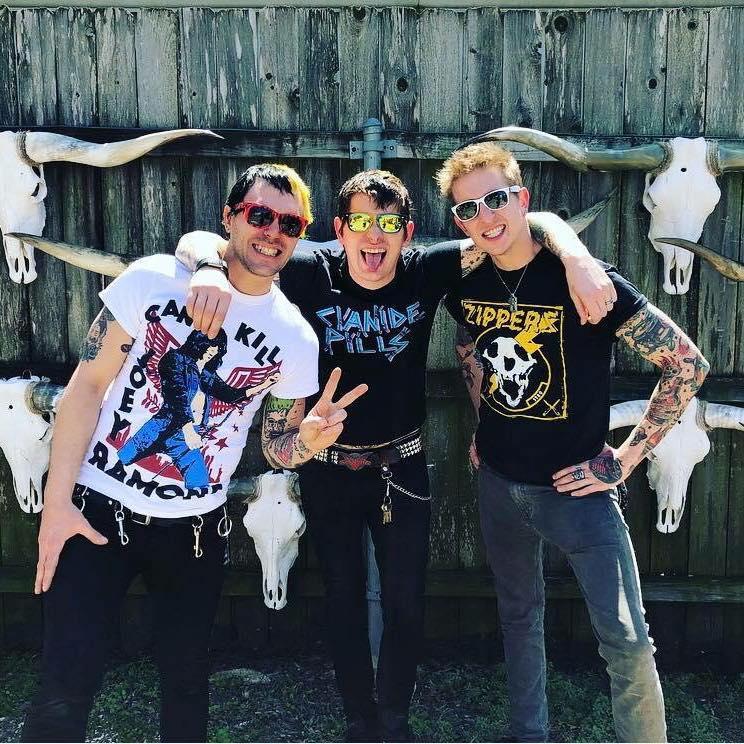
Starting off as an offshoot of Krum Bums, frontman David Rodriguez reunited with bassist Zach Volta & guitarist Josh Langford to bring their already established chemistry to Starving Wolves. Kevin Nguyen crafted his fast paced, yet precise guitar style in the punk band, Evacuate, while newest member, Will Days, completes the 5-piece group on drums.
In the span of a few years, Starving Wolves toured extensively. Their first tour of the southwest US with The Casualties in 2016, helped them to perfect their energetic live performance. Later tours with Leftöver Crack, Bad Cop, Bad Cop, Dayglo Abortions,… & The Adicts reinforced their ability to pack a heavy punch on stage. After their 2016 run, The Casualties recruited Rodriguez to step in as their new vocalist following the departure of their original singer.
Starving Wolves have also brought their anthems to numerous festival lineups, including two consecutive appearances at Punk Rock Bowling & FYWROK, Remember the Punks, Scallyway!, and Manic Relapse, proving that their sound resonates with diverse audiences in the punk community.
Viberate is a music analytics platform built for A&Rs, artist managers, labels, booking agents, marketers, and artists.
It helps music professionals track artist growth, analyze audience data, monitor playlist activity, compare artists, follow song performance, and identify opportunities across the music market.
Public artist pages provide a free preview of selected artist data. Paid plans provide access to deeper analytics, historical data, charts, comparisons, playlist tools, exports, alerts, reports, and additional professional features.
Yes. Public Viberate artist pages provide selected artist analytics and music data for free.
Viberate also offers a 7-day free trial of the full platform. A credit card is required to start the trial. The trial includes access to the complete product so users can test deeper artist analytics, historical views, playlist insights, comparisons, charts, exports, alerts, and reporting features before choosing a paid plan.
Viberate provides artist analytics across streaming, playlists, social media, video, radio airplay, songs, and audience markets.
Users can analyze Spotify performance, Spotify and Apple Music playlists, YouTube activity, TikTok and Instagram growth, radio spins, song performance, audience locations, demographics, rankings, and overall artist momentum.
Artist profiles also connect to music charts, similar artists, and comparison tools, helping users benchmark performance and evaluate artists in context.
Viberate updates key artist and track data daily.
For followed artists and tracks, selected data is refreshed multiple times per day. This helps teams monitor playlist changes, streaming movement, audience growth, releases, and campaign performance with more current data.
Update frequency can vary depending on the metric and data source.
Yes. Viberate lets users compare up to five artists side by side across streaming, social media, audience, and engagement metrics.
Users can compare fanbase growth, audience demographics, locations, Spotify performance, social metrics, and other artist data over selected time periods.
Artist comparison can be used for A&R scouting, benchmarking, booking decisions, campaign planning, and evaluating artists with similar audiences or market positions.