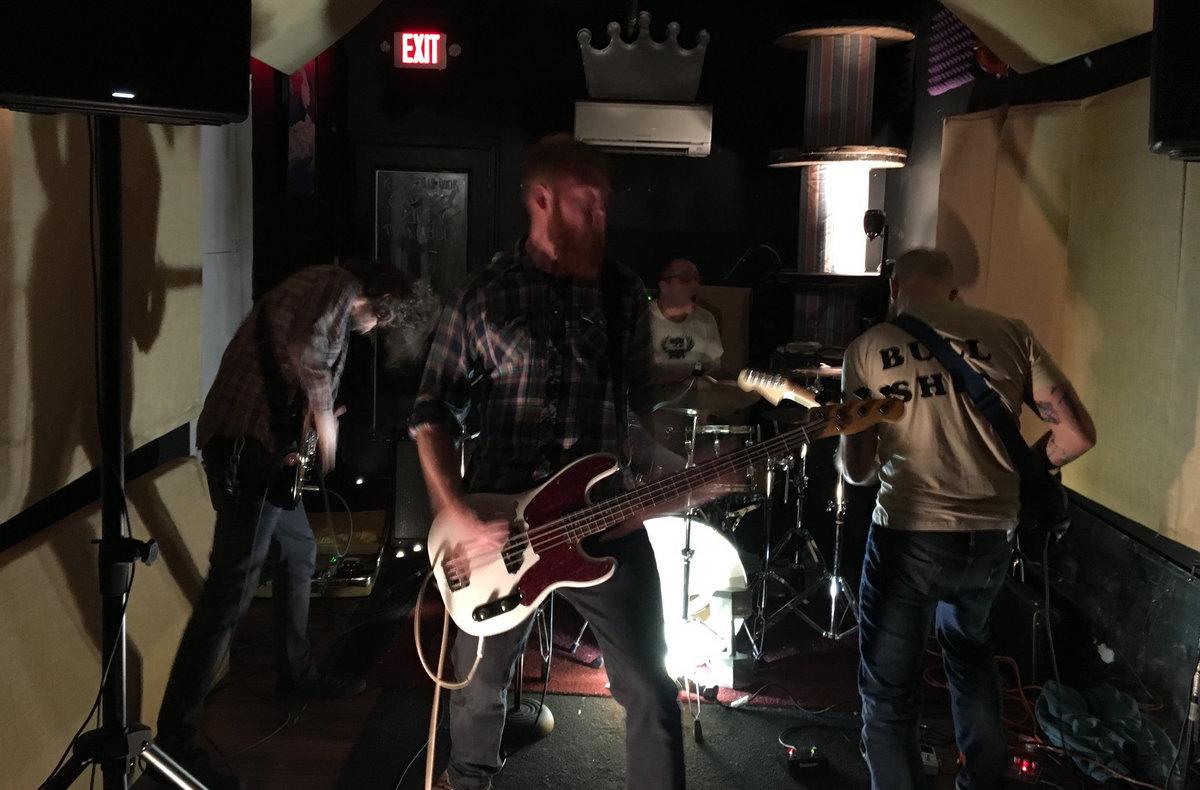
starsdontmeananything

Punk
Punk Rock
Screamo
 Viberate Rank: 338595
 Viberate Rank: 338595
 Monthly ListenersFollowers
 Subscribers
 Followers
 Followers
 FansTop Spotify Songs
| Track | 7-Day Streams | |
|---|---|---|
1 | 63 | |
2 | 24 | |
3 | 20 | |
4 | 13 | |
5 | 13 |
Top YouTube VideosMonthly ListenersFeatured in Playlists| Playlist | Followers | |
|---|---|---|
1 |  Skramz Playlist Heart Darts | 16.14K |
2 |  Emoviolence (Make Emo Violent Again) NOT JUST A PHASE | 1.96K |
3 |  EmoBangerz Fvnebre | 1.13K |
Audience| City | Monthly Listeners | |
|---|---|---|
1 | | 9 |
2 | | 8 |
3 | | 8 |
4 | | 7 |
5 | | 5 |
See full performance history, audience data, playlist activity, rankings, comparisons, and more in Viberate music analytics. Start with a free trial, then continue with a paid plan.
starsdontmeananything’s Spotify BioStarsdontmeananything began as a solo project in Albuquerque by multi-instrumentalist Adam Smith as a result of 2020’s collective alienation from the nationwide shelter-in-place policy. From the start, the sound has been gloomy and bleak, born of a love of screamo, post-hardcore, and metal, with Smith and drummer/initial collaborator Sasha Guleff releasing a self-titled 6 track EP. Starsdontmeananything are simultaneously introspective and emotionally cathartic, meant to express the powerlessness of modern people and the satisfaction that comes from free expression in the face of it. Building off of half a decade of experience touring, performing, and growing, Starsdontmeananything are offering their first full length album, Fire Is Beautiful through No Time Records.
Fire Is Beautiful has elements of sonic chaos derived from legends like Pageninetynine, envy, Melt-Banana, and Florida’s Death, with lyrical themes specifically dealing with frustration in oneself at feeling powerless… against what is seemingly a crumbling world. Their singles, “National Forest,” and “Pulling Teeth,” are perfect examples of Fire Is Beautiful’s direction, showcasing a maelstrom of impassioned discontent. For the band, change is embodied by wildfires, random freezes, and general climate change, and how that influences mass perception, whether we are conscious about it or not. Fire within us and around us is the beginning of change, always providing a chance at a new reality. It’s beautiful.
Viberate is a music analytics platform built for A&Rs, artist managers, labels, booking agents, marketers, and artists.
It helps music professionals track artist growth, analyze audience data, monitor playlist activity, compare artists, follow song performance, and identify opportunities across the music market.
Public artist pages provide a free preview of selected artist data. Paid plans provide access to deeper analytics, historical data, charts, comparisons, playlist tools, exports, alerts, reports, and additional professional features.
Yes. Public Viberate artist pages provide selected artist analytics and music data for free.
Viberate also offers a 7-day free trial of the full platform. A credit card is required to start the trial. The trial includes access to the complete product so users can test deeper artist analytics, historical views, playlist insights, comparisons, charts, exports, alerts, and reporting features before choosing a paid plan.
Viberate provides artist analytics across streaming, playlists, social media, video, radio airplay, songs, and audience markets.
Users can analyze Spotify performance, Spotify and Apple Music playlists, YouTube activity, TikTok and Instagram growth, radio spins, song performance, audience locations, demographics, rankings, and overall artist momentum.
Artist profiles also connect to music charts, similar artists, and comparison tools, helping users benchmark performance and evaluate artists in context.
Viberate updates key artist and track data daily.
For followed artists and tracks, selected data is refreshed multiple times per day. This helps teams monitor playlist changes, streaming movement, audience growth, releases, and campaign performance with more current data.
Update frequency can vary depending on the metric and data source.
Yes. Viberate lets users compare up to five artists side by side across streaming, social media, audience, and engagement metrics.
Users can compare fanbase growth, audience demographics, locations, Spotify performance, social metrics, and other artist data over selected time periods.
Artist comparison can be used for A&R scouting, benchmarking, booking decisions, campaign planning, and evaluating artists with similar audiences or market positions.