Starfire

Rock
Hard Rock
Stoner Rock
 Viberate Rank: 785133
 Viberate Rank: 785133
 Monthly ListenersFollowers
 Subscribers
 Followers
 Followers
 FansTop Spotify Songs
| Track | 7-Day Streams | |
|---|---|---|
1 | 17 | |
2 | 10 | |
3 | 6 | |
4 | 3 | |
5 | 3 |
Top YouTube VideosMonthly ListenersFeatured in Playlists| Playlist | Followers | |
|---|---|---|
1 |  Stoner Rock & Psychedelic Space Rock StonerRock.Space | 36.07K |
2 |  It's Indie Evolve | 24.21K |
3 |  [the world] modest. | 23.08K |
4 |  INDIE VIBES | 2023 Sound Box Ltd | 22.81K |
5 |  #1 Gaming Playlist Felix K | 7.54K |
Audience| City | Monthly Listeners | |
|---|---|---|
1 |  | 5 |
2 |  | 5 |
See full performance history, audience data, playlist activity, rankings, comparisons, and more in Viberate music analytics. Start with a free trial, then continue with a paid plan.
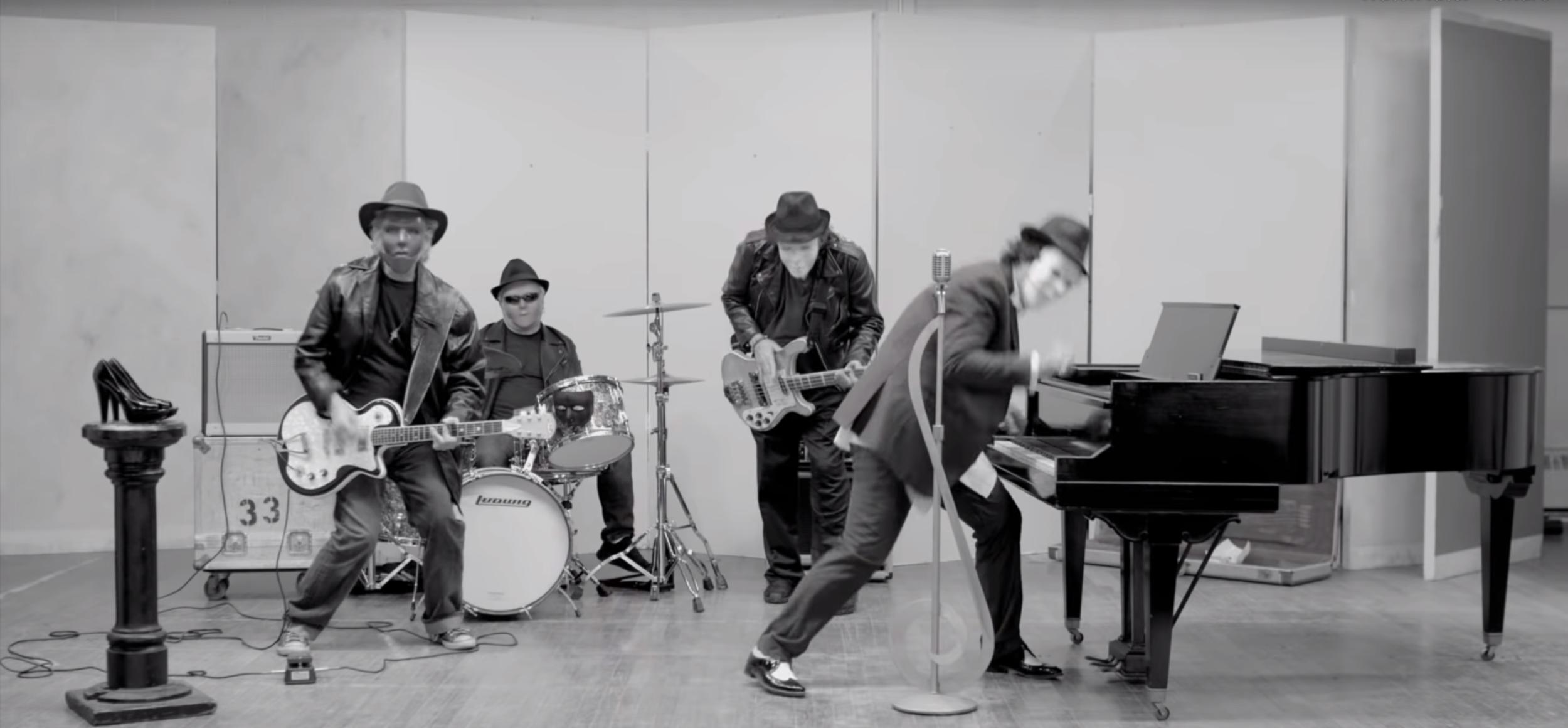
Starfire’s Spotify BioStarfire plays classic hard rock with groove. Pulling from several influences, mainly from the 60's through the 80's, they play rock, blues, power pop, R&B, metal, indie and progressive styles. Nothing cookie cutter here!
In 1978 four boys in Ann Arbor, MI, ages 15-17, formed the band Starfire. They had all been in previous bands in the past year or so and had started writing songs. The Starfire album is the first collection of those original songs. 10 of the 13 songs were performed live in 1978.
They All Belong To You is the 2nd album from Starfire containing songs that were written & performed in 1978 & 1979. Performing live had a big impact on the band.
Looking Ahead is the 3rd album from Starfire containing songs that were written and performed in 1979 & 1980. Late 1979 was a time of changes and unknown futures.
Scattered Grooves is the 4th album from Starfire containing songs that were written from 1981 to 1985 and performed in 1985. The musical landscape had changed in 5 years,… and the songs reflect that with the addition of synthesizers and different rhythms.
The Threshold Of Feeling is the 5th album from Starfire containing songs that were written and performed from 1985 - 1987.
Emotions & Memories is the 6th and final album from Starfire containing songs that were written and performed in 1987 & 1988.
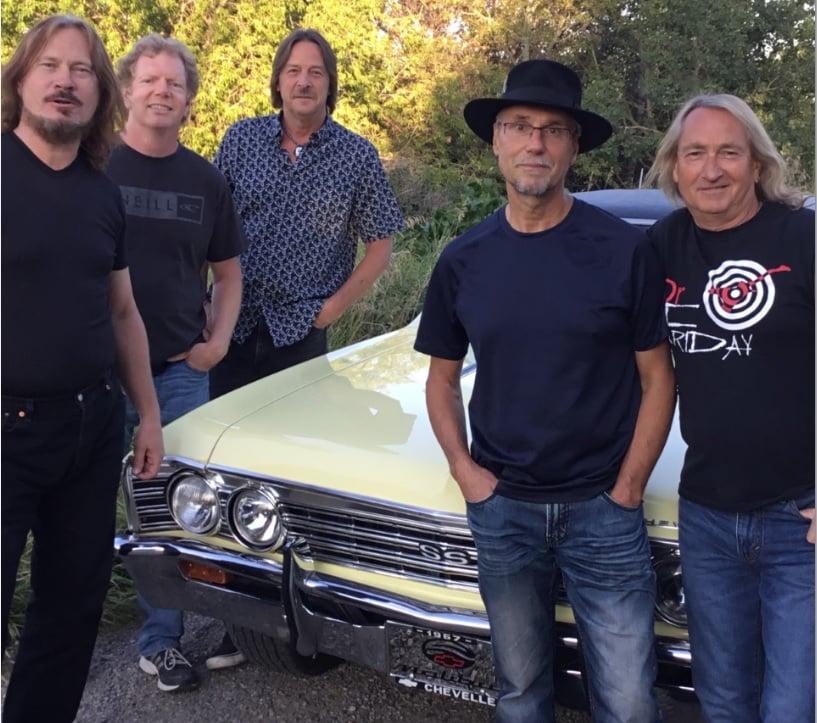
Starfire is:
TJ Staar - Guitars, Keyboards & Vocals
Dave Stewart - Guitars & Vocals
Dale Hough - Bass & Vocals
Brad Salt - Drums & Percussion
Viberate is a music analytics platform built for A&Rs, artist managers, labels, booking agents, marketers, and artists.
It helps music professionals track artist growth, analyze audience data, monitor playlist activity, compare artists, follow song performance, and identify opportunities across the music market.
Public artist pages provide a free preview of selected artist data. Paid plans provide access to deeper analytics, historical data, charts, comparisons, playlist tools, exports, alerts, reports, and additional professional features.
Yes. Public Viberate artist pages provide selected artist analytics and music data for free.
Viberate also offers a 7-day free trial of the full platform. A credit card is required to start the trial. The trial includes access to the complete product so users can test deeper artist analytics, historical views, playlist insights, comparisons, charts, exports, alerts, and reporting features before choosing a paid plan.
Viberate provides artist analytics across streaming, playlists, social media, video, radio airplay, songs, and audience markets.
Users can analyze Spotify performance, Spotify and Apple Music playlists, YouTube activity, TikTok and Instagram growth, radio spins, song performance, audience locations, demographics, rankings, and overall artist momentum.
Artist profiles also connect to music charts, similar artists, and comparison tools, helping users benchmark performance and evaluate artists in context.
Viberate updates key artist and track data daily.
For followed artists and tracks, selected data is refreshed multiple times per day. This helps teams monitor playlist changes, streaming movement, audience growth, releases, and campaign performance with more current data.
Update frequency can vary depending on the metric and data source.
Yes. Viberate lets users compare up to five artists side by side across streaming, social media, audience, and engagement metrics.
Users can compare fanbase growth, audience demographics, locations, Spotify performance, social metrics, and other artist data over selected time periods.
Artist comparison can be used for A&R scouting, benchmarking, booking decisions, campaign planning, and evaluating artists with similar audiences or market positions.