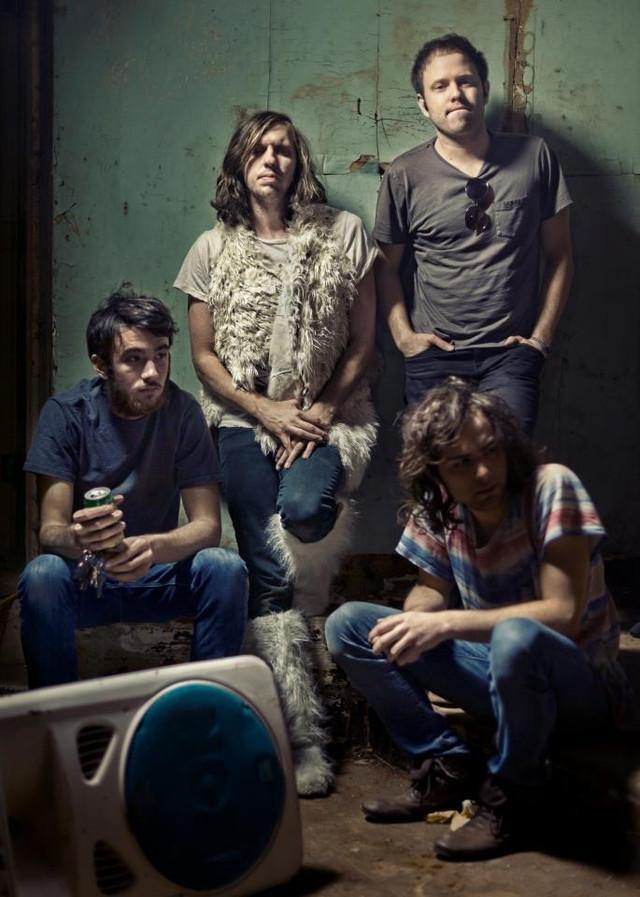
Stardeath And White Dwarfs

Rock
Psychedelic Rock
Indie Pop
 Viberate Rank: 331241
 Viberate Rank: 331241
 Monthly ListenersFollowers
 Subscribers
 Followers
 Followers
 FansTop Spotify Songs
| Track | 7-Day Streams | |
|---|---|---|
1 | 814 | |
2 | 335 | |
3 | 302 | |
4 | 208 | |
5 | 172 |
Top YouTube VideosMonthly ListenersFeatured in Playlists| Playlist | Followers | |
|---|---|---|
1 | The Ultimate Cover Song Playlist Anna OBrien | 19.48K |
2 |  RY Reader Picks for Book 4 Rebecca Yarros | 8.82K |
3 | Best Cover Songs of all Time Santiago Velasquez | 8.13K |
4 | space rock & psychedelia Edson Alejandro Adame | 8.05K |
5 |  Best Covers Ever Maru Miyashiro | 6.27K |
Audience| City | Monthly Listeners | |
|---|---|---|
1 |  | 58 |
2 | | 55 |
3 | | 46 |
4 | | 45 |
5 | | 41 |
See full performance history, audience data, playlist activity, rankings, comparisons, and more in Viberate music analytics. Start with a free trial, then continue with a paid plan.
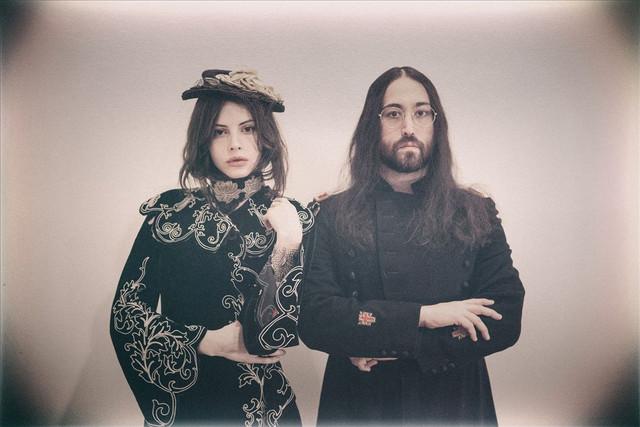
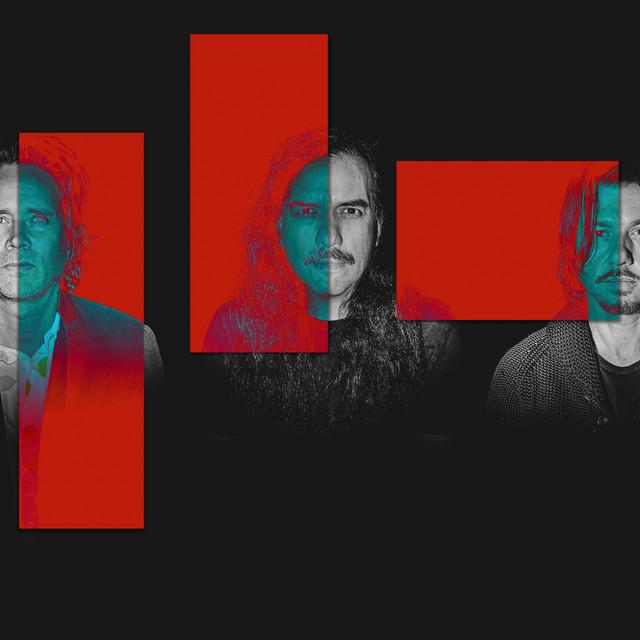
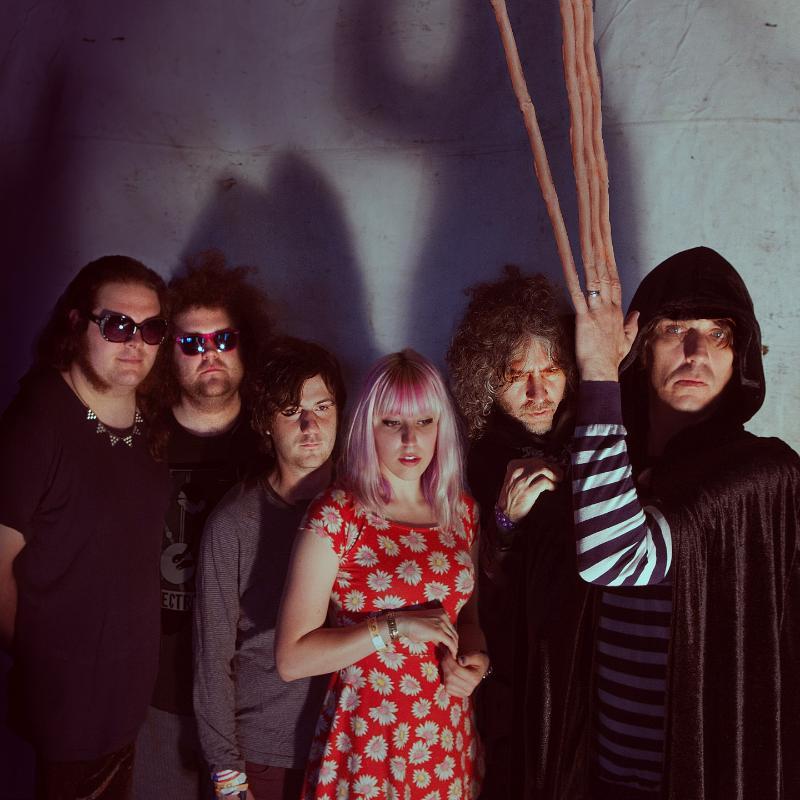
Stardeath And White Dwarfs’ Spotify BioFollowing in the footsteps of Oklahoma City's most famous freaks, the Flaming Lips, psychedelic rock outfit Stardeath and White Dwarfs have been exploring the boundaries of rock music since forming in 2004. Made up of Dennis Coyne (nephew of Lips' frontman Wayne Coyne), Casey Joseph, Matt Ducksworth, and Ford Chastain, the band's sound finds spacy pop and ethereal atmospherics colliding with a fuzzed out, lo-fi aesthetic, feeling at times like a blown-out, acid-drenched take on the early work of David Bowie. Stardeath and White Dwarfs made their debut in 2005 with the EP That's Cool before eventually signing with Warner Bros, where they'd release their first full-length, The Birth, in 2009. The band would also become frequent collaborators with the Flaming Lips, appearing with them on their remake of Pink Floyd's The Dark Side of the Moon, as well as their 2012 reimagining of King Crimson's In the Court of the Crimson King, Playing Hide and Seek with the Ghosts of Dawn. After signing… on with David Sitek's (of TV on the Radio) label, Federal Prism, the quartet returned with their sophomore effort, Wastoid, in 2014. ~ Gregory Heaney, Rovi
Viberate is a music analytics platform built for A&Rs, artist managers, labels, booking agents, marketers, and artists.
It helps music professionals track artist growth, analyze audience data, monitor playlist activity, compare artists, follow song performance, and identify opportunities across the music market.
Public artist pages provide a free preview of selected artist data. Paid plans provide access to deeper analytics, historical data, charts, comparisons, playlist tools, exports, alerts, reports, and additional professional features.
Yes. Public Viberate artist pages provide selected artist analytics and music data for free.
Viberate also offers a 7-day free trial of the full platform. A credit card is required to start the trial. The trial includes access to the complete product so users can test deeper artist analytics, historical views, playlist insights, comparisons, charts, exports, alerts, and reporting features before choosing a paid plan.
Viberate provides artist analytics across streaming, playlists, social media, video, radio airplay, songs, and audience markets.
Users can analyze Spotify performance, Spotify and Apple Music playlists, YouTube activity, TikTok and Instagram growth, radio spins, song performance, audience locations, demographics, rankings, and overall artist momentum.
Artist profiles also connect to music charts, similar artists, and comparison tools, helping users benchmark performance and evaluate artists in context.
Viberate updates key artist and track data daily.
For followed artists and tracks, selected data is refreshed multiple times per day. This helps teams monitor playlist changes, streaming movement, audience growth, releases, and campaign performance with more current data.
Update frequency can vary depending on the metric and data source.
Yes. Viberate lets users compare up to five artists side by side across streaming, social media, audience, and engagement metrics.
Users can compare fanbase growth, audience demographics, locations, Spotify performance, social metrics, and other artist data over selected time periods.
Artist comparison can be used for A&R scouting, benchmarking, booking decisions, campaign planning, and evaluating artists with similar audiences or market positions.