Starclub

Rock
Pop Rock
Dance
 Viberate Rank: 297278
 Viberate Rank: 297278
 Monthly ListenersFollowers
 Subscribers
 Followers
 Followers
 FansTop Spotify Songs
| Track | 7-Day Streams | |
|---|---|---|
1 | 6.61K | |
2 | 5.37K | |
3 | 1.10K | |
4 | 962 | |
5 | 346 |
Top YouTube VideosMonthly ListenersFeatured in Playlists| Playlist | Followers | |
|---|---|---|
1 | Retro hits László Papp | 13.18K |
2 | Mid Tempo House Hits 45 BPM Mina | 6.09K |
3 | SA Old Skool House Mix MID TEMPO 45 Mix 2018 Sabzar. No9 | 5.04K |
4 |  Syre/fest musikk🎉🍻🍾 Andreas Kolnes | 1.93K |
5 |  Russian and not so Russian remixes 2025 BigB | 1.79K |
Audience| City | Monthly Listeners | |
|---|---|---|
1 |  | 2.39K |
2 |  | 1.04K |
3 | | 788 |
4 | | 666 |
5 |  | 544 |
See full performance history, audience data, playlist activity, rankings, comparisons, and more in Viberate music analytics. Start with a free trial, then continue with a paid plan.
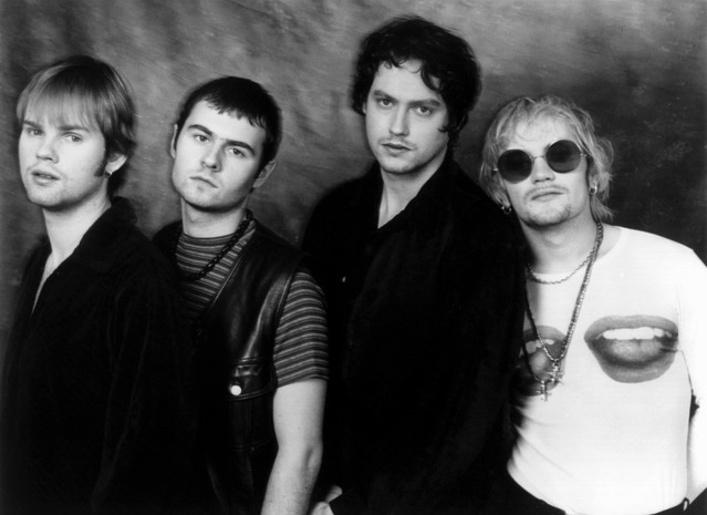
Starclub’s Spotify BioFirst-generation Brit-poppers Starclub should never have named themselves after the Hamburg club where the Beatles made their name. Not only could their fine but not world-beating guitar pop not live up to the reference, but it also created an unrealistic point of comparison, especially for those wanting the second coming of Merseybeat, or at least a second La's album. Singer/guitarist Owen Vyse and guitarist Steve French (oddly, the bassist and drummer aren't identified, although they're shown in photos on the sleeve of the band's sole album, 1993's Starclub) instead favor the rougher side of the '60s, as evinced by name-checking the Pretty Things and British R&B legend Georgie Fame's guest organ on three tracks. The single "Hard to Get" was a minor alternative radio hit, but Starclub split up before a follow-up could be issued. Vyse later became a touring member of the re-formed Echo and the Bunnymen. French moved to New York and became a producer, working with former Gin Blossoms… guitarist Robin Wilson's bands the Gas Giants and the Poppin' Wheelies. Two songs meant for Starclub's never-recorded second album ended up on the Poppin' Wheelies' self-titled 2000 debut. ~ Stewart Mason, Rovi
Viberate is a music analytics platform built for A&Rs, artist managers, labels, booking agents, marketers, and artists.
It helps music professionals track artist growth, analyze audience data, monitor playlist activity, compare artists, follow song performance, and identify opportunities across the music market.
Public artist pages provide a free preview of selected artist data. Paid plans provide access to deeper analytics, historical data, charts, comparisons, playlist tools, exports, alerts, reports, and additional professional features.
Yes. Public Viberate artist pages provide selected artist analytics and music data for free.
Viberate also offers a 7-day free trial of the full platform. A credit card is required to start the trial. The trial includes access to the complete product so users can test deeper artist analytics, historical views, playlist insights, comparisons, charts, exports, alerts, and reporting features before choosing a paid plan.
Viberate provides artist analytics across streaming, playlists, social media, video, radio airplay, songs, and audience markets.
Users can analyze Spotify performance, Spotify and Apple Music playlists, YouTube activity, TikTok and Instagram growth, radio spins, song performance, audience locations, demographics, rankings, and overall artist momentum.
Artist profiles also connect to music charts, similar artists, and comparison tools, helping users benchmark performance and evaluate artists in context.
Viberate updates key artist and track data daily.
For followed artists and tracks, selected data is refreshed multiple times per day. This helps teams monitor playlist changes, streaming movement, audience growth, releases, and campaign performance with more current data.
Update frequency can vary depending on the metric and data source.
Yes. Viberate lets users compare up to five artists side by side across streaming, social media, audience, and engagement metrics.
Users can compare fanbase growth, audience demographics, locations, Spotify performance, social metrics, and other artist data over selected time periods.
Artist comparison can be used for A&R scouting, benchmarking, booking decisions, campaign planning, and evaluating artists with similar audiences or market positions.