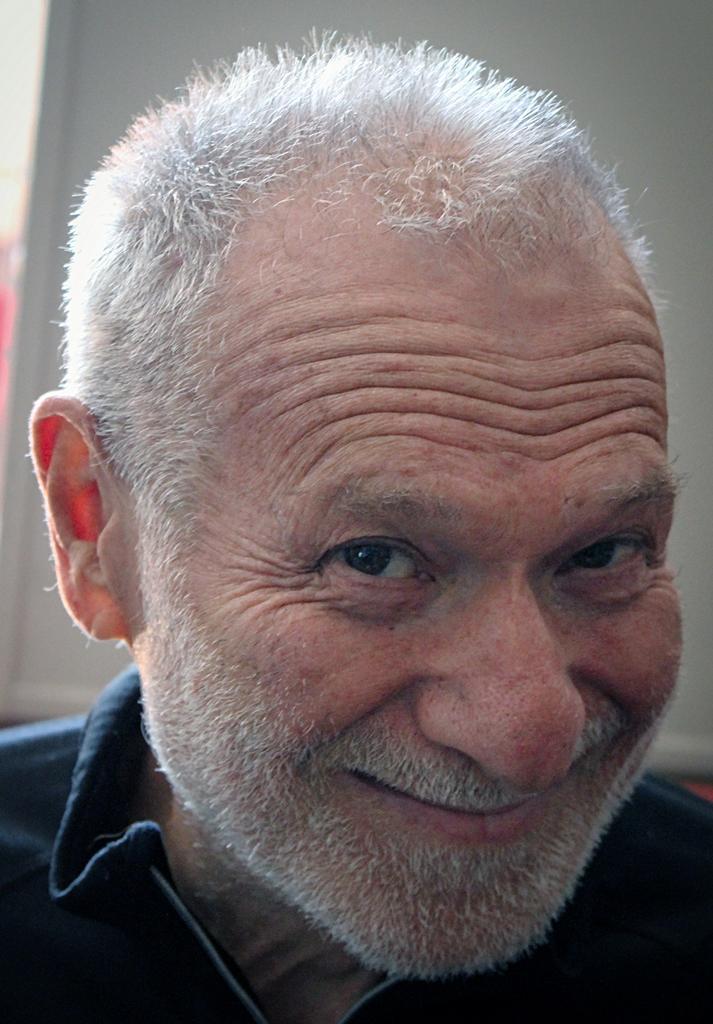
Stanley Sagov

Jazz
Smooth Jazz
Free Jazz
Jazz Fusion
 Viberate Rank: 779121
 Viberate Rank: 779121
 Monthly ListenersFollowers
 Subscribers
 Followers
 Followers
 FansTop Spotify Songs
| Track | 7-Day Streams | |
|---|---|---|
1 | 3 | |
2 | 1 |
Top YouTube Videos| Video | 7-Day Views | |
|---|---|---|
1 | 61 | |
2 | 14 | |
3 | 7 | |
4 | 6 | |
5 | 2 |
Monthly ListenersFeatured in Playlists| Playlist | Followers | |
|---|---|---|
1 |  Real Book - Jazz standards/classics Anders Garbom Bjørklund | 13.79K |
Audience| City | Monthly Listeners | |
|---|---|---|
1 |  | 3 |
See full performance history, audience data, playlist activity, rankings, comparisons, and more in Viberate music analytics. Start with a free trial, then continue with a paid plan.
Stanley Sagov’s Spotify BioRedefining the concept of practice, Dr. Stanley Sagov does double duty as a family physician and a jazz pianist. Born in Cape Town, South Africa, in 1944 of Jewish immigrants who fled their country to dodge the antisemitism of the Russian Revolution, Sagov's family encountered another form of bigotry via apartheid. As a youngster he suffered from the genetic disorder Gordon's syndrome, which causes physical deformities. After multiple surgeries and school discriminations, Sagov discovered his soul through violin lessons, connected with the Bantu black Africans, and became a fan of the music of Lonnie Donegan. Ukulele player Leo Lovell was a personal influence, and as Sagov grew up, he learned guitar and heard vintage American acoustic blues musicians like Leadbelly, Big Bill Broonzy, and John Henry. His first band -- the High Five Plus Two -- played classic early rock, while Sagov's sister was a jazz fan who introduced him to Duke Ellington, Glenn Miller, Lionel Hampton, and Django… Reinhardt.
As the racially integrated South African jazz scene was emerging in the '60s and stars from the U.S. were influencing this new township jazz, Sagov heard African jazz heroes in Cape Town and Johannesburg like Abdullah Ibrahim, Chris McGregor, Hugh Masekela, and many others. In 1962 he enrolled at the University of South Africa to study medicine, played piano in nightclubs, and upon graduating moved to London in 1967, then New York City, where he worked alongside Booker Ervin, Jimmy Garrison, Howard McGhee, Billy Hart, Elvin Jones, Rahsaan Roland Kirk, Sheila Jordan, and Ted Curson. By 1970 Sagov had moved to Boston to live, attend the Harvard Medical School, and work while studying at the New England Conservatory, earning a degree in jazz piano and oboe. Some of his collaborators in Boston included Gary Burton, George Russell, Jaki Byard, Gunther Schuller, Bob Moses, John Lockwood, Stan Strickland, Anton Fig, and Stanton Davis.
With a disdain for touring, Sagov settled in as a practicing physician, producing music at home for recordings, teaching privately, and leading his own band on occasion. In 2002 Sagov was awarded Doctor of the Year by the Massachusetts Academy of Family Physicians, and since 2008 has been the Chief of Family Medicine at Mt. Auburn Hospital in Cambridge. As a performer, he has produced five independently issued CDs with his ensemble Remembering the Future, including one live at Boston's Regattabar. They represent the merging of South African traditional music with modern jazz, and also feature adaptations of well-known jazz standards. ~ Michael G. Nastos, Rovi
Viberate is a music analytics platform built for A&Rs, artist managers, labels, booking agents, marketers, and artists.
It helps music professionals track artist growth, analyze audience data, monitor playlist activity, compare artists, follow song performance, and identify opportunities across the music market.
Public artist pages provide a free preview of selected artist data. Paid plans provide access to deeper analytics, historical data, charts, comparisons, playlist tools, exports, alerts, reports, and additional professional features.
Yes. Public Viberate artist pages provide selected artist analytics and music data for free.
Viberate also offers a 7-day free trial of the full platform. A credit card is required to start the trial. The trial includes access to the complete product so users can test deeper artist analytics, historical views, playlist insights, comparisons, charts, exports, alerts, and reporting features before choosing a paid plan.
Viberate provides artist analytics across streaming, playlists, social media, video, radio airplay, songs, and audience markets.
Users can analyze Spotify performance, Spotify and Apple Music playlists, YouTube activity, TikTok and Instagram growth, radio spins, song performance, audience locations, demographics, rankings, and overall artist momentum.
Artist profiles also connect to music charts, similar artists, and comparison tools, helping users benchmark performance and evaluate artists in context.
Viberate updates key artist and track data daily.
For followed artists and tracks, selected data is refreshed multiple times per day. This helps teams monitor playlist changes, streaming movement, audience growth, releases, and campaign performance with more current data.
Update frequency can vary depending on the metric and data source.
Yes. Viberate lets users compare up to five artists side by side across streaming, social media, audience, and engagement metrics.
Users can compare fanbase growth, audience demographics, locations, Spotify performance, social metrics, and other artist data over selected time periods.
Artist comparison can be used for A&R scouting, benchmarking, booking decisions, campaign planning, and evaluating artists with similar audiences or market positions.