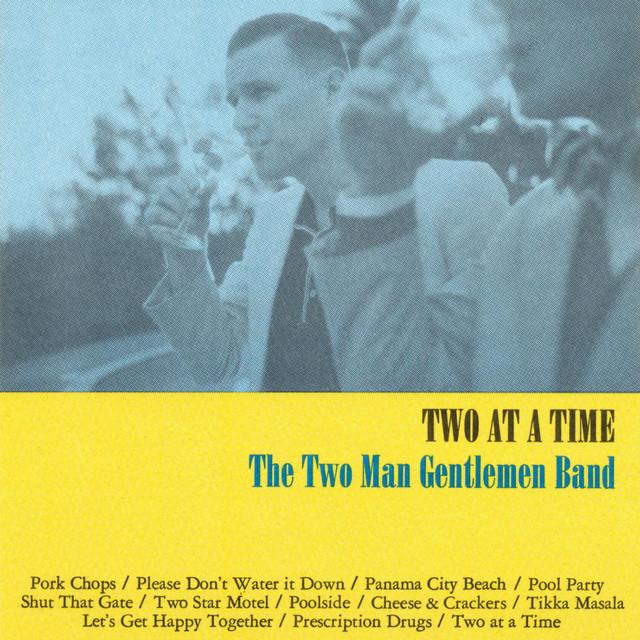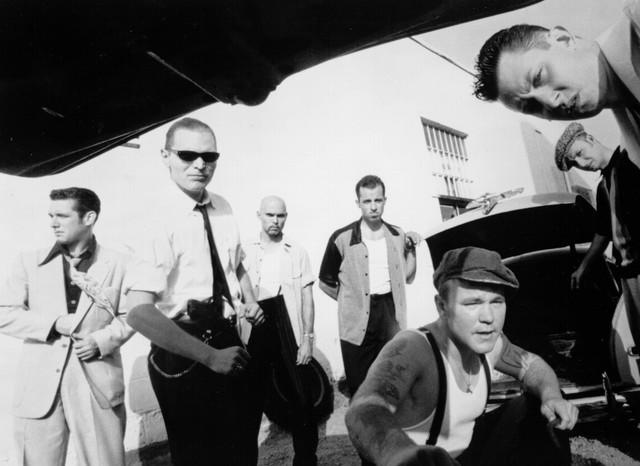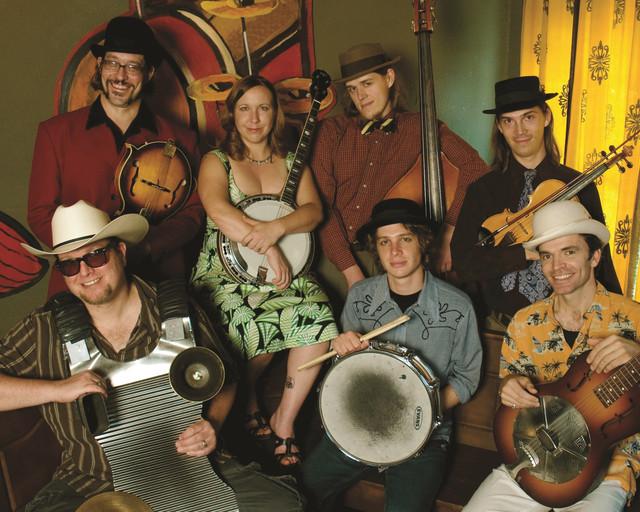
Squirrel Nut Zippers

Jazz
Smooth Jazz
Swing
 Viberate Rank: 50699
 Viberate Rank: 50699
 Monthly ListenersFollowers
 Subscribers
 Followers
 Followers
 FansTop Spotify Songs
| Track | 7-Day Streams | |
|---|---|---|
1 | 28.20K | |
2 | 12.80K | |
3 | 12.73K | |
4 | 12.73K | |
5 | 9.29K |
Top YouTube VideosMonthly ListenersFeatured in Playlists| Playlist | Followers | |
|---|---|---|
1 |  Wednesday Official Playlist Spotify | 502.19K |
2 |  Lucifer Original Soundtrack (All Seasons: 1, 2, 3, 4, 5/5B, 6) KULTPOP! | 291.52K |
3 |  Wednesday Soundtrack 🩸🖤🔪 Thee Playlist Alchemist 💿🎥 | 164.02K |
4 |  The OC Soundtrack [All Seasons Playlist] Solitude Collective | 138.10K |
5 |  Swing Revival Spotify | 128.76K |
Audience| City | Monthly Listeners | |
|---|---|---|
1 | | 3.48K |
2 | | 3.35K |
3 | | 2.65K |
4 | | 2.50K |
5 | | 2.13K |
See full performance history, audience data, playlist activity, rankings, comparisons, and more in Viberate music analytics. Start with a free trial, then continue with a paid plan.
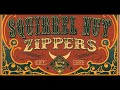
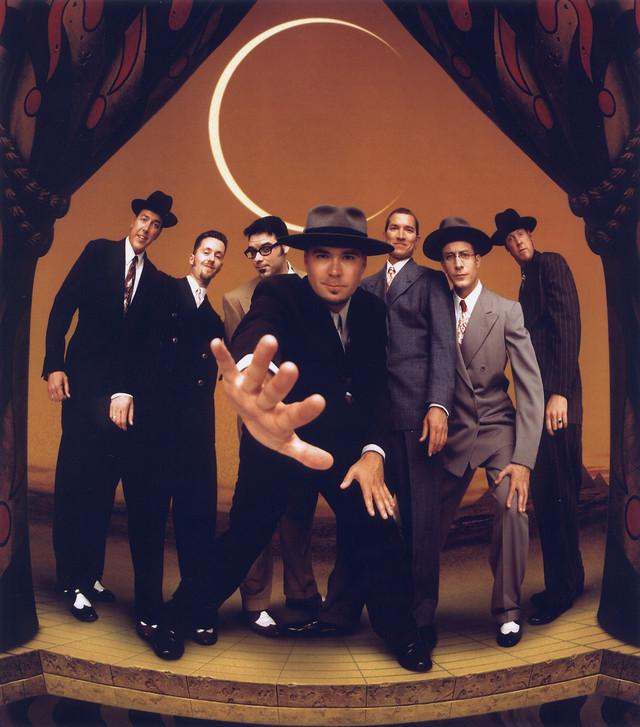
Squirrel Nut Zippers’ Spotify BioSquirrel Nut Zippers had the good fortune to make it to the big leagues at the same time the swing revival of the 1990s crested. Although the group's roots stretched far beyond the Rat Pack -- they were informed by New Orleans jazz, hot dance music, Harlem jazz, and other jumping music of prewar America -- they nevertheless benefited from the lounge revival, which helped lift their 1996 album, Hot, and its accompanying single, "Hell," into the Billboard charts. Squirrel Nut Zippers kept touring into the early 2000s, after which they went on hiatus. Leader Jimbo Mathus revived the group in 2008 for a live album but it wasn't until 2018 that they released a new album, Beasts of Burgundy. The reconstituted band kept rolling into the next decade with 2020's Lost Songs of Doc Souchon.
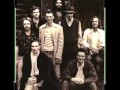
Jimbo Mathus (vocals, guitar, trombone) and Katharine Whalen (vocals, banjo) formed Squirrel Nut Zippers in 1993 in the Chapel Hill area of North Carolina. Settling in the nearby small town of Efland, the… couple renovated a farmhouse, where they pursued various arts and crafts, and eventually the band fell into shape as Mathus and Whalen met local citizens like Don Raleigh (bass) and Ken Mosher (guitar, saxophone, vocals) who shared an interest in hot jazz. Before long, Chris Phillips (drums, percussion), Tom Maxwell (vocals, guitar, baritone saxophone, clarinet), and Je Widenhouse (trumpet) were added to the band, which was now named after an old-fashioned candy bar, Squirrel Nut Zippers. The group soon made its live debut in Chapel Hill and within a few months had developed a large fan base throughout the South.
By the end of 1994, Squirrel Nut Zippers had signed with Mammoth Records, and they released their debut album, The Inevitable, in the spring of 1995. Supporting the album with a tour, the group made some waves but it was their second album, Hot, that provided SQZ with a breakthrough. Released in June 1996, Hot gained momentum in early 1997 after "Hell" became a hit on such influential radio stations as Los Angeles' KROQ. Shortly afterward, MTV made the video into a buzz clip. By the spring, "Hell" and Hot had become hits, with the single earning heavy play on modern rock stations. Hot climbed to 27 on the Billboard charts and was certified gold in May; after its summer single "Put a Lid on It," it was certified platinum at the end of the year. Also in 1997, Squirrel Nut Zippers released the Sold Out EP.
Perennial Favorites, the full-length sequel to Hot, followed in August 1998 -- it peaked at 18 on the Billboard Top 200 and was certified gold the month after its release -- with Christmas Caravan appearing in October of that year.
Following 2000's Bedlam Ballroom -- a record that went no further than 195 on Billboard's Top 200 -- Squirrel Nut Zippers entered an extended hiatus. Mathus and Whalen divorced, with each singer pursuing their own solo musical projects, while Chris Phillips played with the Dickies and formed a band called the Lamps. In 2007, Squirrel Nut Zippers reunited with a lineup featuring Mathus, Whalen, Phillips, Stuart Cole, Will Dawson, and Je Widenhouse for a tour that extended into 2008; the 2009 album Lost at Sea was taken from a December 2008 date in Brooklyn.
Another hiatus followed, with Mathus assembling a new version of the band to celebrate the 20th anniversary of Hot in 2016; he was the only original member, although Phillips did serve as the group's manager. Happy with the new roster, Mathus and Phillips took the band into the studio to cut a new album. The resulting Beasts of Burgundy appeared in March 2018. Further cementing their late period comeback, the band offered up 2020's Lost Songs of Doc Souchon, a collection of new originals and old material celebrating and inspired by New Orleans jazz preservationist Edmond "Doc" Souchon. The album also featured a guest spot from Andrew Bird, a onetime Squirrel Nut Zippers member and frequent collaborator during their '90s heyday. The following year Mathus and Bird united to record the duo album These 13. ~ Stephen Thomas Erlewine, Rovi
Viberate is a music analytics platform built for A&Rs, artist managers, labels, booking agents, marketers, and artists.
It helps music professionals track artist growth, analyze audience data, monitor playlist activity, compare artists, follow song performance, and identify opportunities across the music market.
Public artist pages provide a free preview of selected artist data. Paid plans provide access to deeper analytics, historical data, charts, comparisons, playlist tools, exports, alerts, reports, and additional professional features.
Yes. Public Viberate artist pages provide selected artist analytics and music data for free.
Viberate also offers a 7-day free trial of the full platform. A credit card is required to start the trial. The trial includes access to the complete product so users can test deeper artist analytics, historical views, playlist insights, comparisons, charts, exports, alerts, and reporting features before choosing a paid plan.
Viberate provides artist analytics across streaming, playlists, social media, video, radio airplay, songs, and audience markets.
Users can analyze Spotify performance, Spotify and Apple Music playlists, YouTube activity, TikTok and Instagram growth, radio spins, song performance, audience locations, demographics, rankings, and overall artist momentum.
Artist profiles also connect to music charts, similar artists, and comparison tools, helping users benchmark performance and evaluate artists in context.
Viberate updates key artist and track data daily.
For followed artists and tracks, selected data is refreshed multiple times per day. This helps teams monitor playlist changes, streaming movement, audience growth, releases, and campaign performance with more current data.
Update frequency can vary depending on the metric and data source.
Yes. Viberate lets users compare up to five artists side by side across streaming, social media, audience, and engagement metrics.
Users can compare fanbase growth, audience demographics, locations, Spotify performance, social metrics, and other artist data over selected time periods.
Artist comparison can be used for A&R scouting, benchmarking, booking decisions, campaign planning, and evaluating artists with similar audiences or market positions.