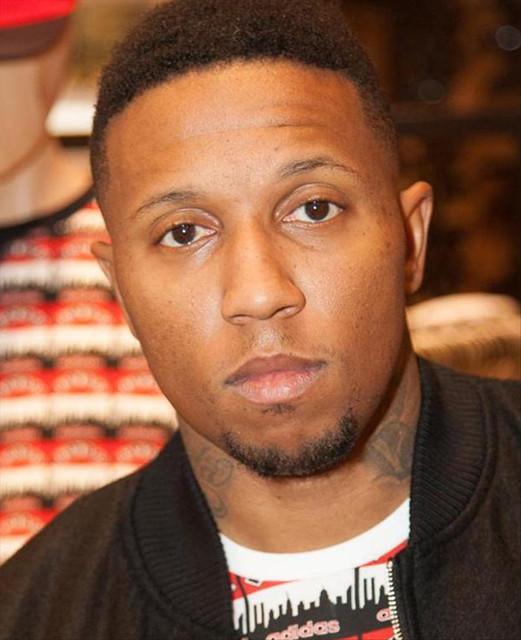
Spodee

Hip Hop
Contemporary Hip Hop
 Viberate Rank: 42577
 Viberate Rank: 42577
 Monthly ListenersFollowers
 Subscribers
 Followers
 Followers
 FansTop Spotify Songs
| Track | 7-Day Streams | |
|---|---|---|
1 | 272.04K | |
2 | 7.35K | |
3 | 6.40K | |
4 | 2.60K | |
5 | 2.45K |
Top YouTube VideosMonthly ListenersFeatured in Playlists| Playlist | Followers | |
|---|---|---|
1 | 2000s Crunk Hits userxya2jfc8hd | 238.90K |
2 | Loud super bass songs 😝🩷. 🕷️ملاك 🕷️ | 114.02K |
3 | Top G | 103.15K |
4 |  Songs with loud bass🔊😎 3030 Music | 95.70K |
5 | NEW SH*T || Updated weekly || ORIGINAL RAPCAVIAR Simon Grum | 91.04K |
Audience| City | Monthly Listeners | |
|---|---|---|
1 | | 1.14K |
2 | | 693 |
3 | | 550 |
4 | | 390 |
5 | | 293 |
See full performance history, audience data, playlist activity, rankings, comparisons, and more in Viberate music analytics. Start with a free trial, then continue with a paid plan.
Spodee’s Spotify BioAtlanta rapper Spodee (also known as SuperSpodee) was born Jonathan Carle in 1988. Carle was born in Washington D.C. but eventually relocated to Atlanta where he began establishing himself in local hip-hop circles around the end of the 2000s, releasing various singles and guesting on other artists' tracks. Spodee's style eventually caught the ear of rap superstar T.I., who signed the young emcee to his Grand Hustle label in 2009. He dropped his No Pressure mixtape in early 2011, and followed with multiple collections of increasingly polished tracks as the years progressed, notably 2014's The B.I.D. In 2015, Spodee left Grand Hustle, feeling somewhat limited and potentially held back by the label. He spoke about feeling restricted by the label in interviews, which caused some public friction between him and label head T.I. Following his departure from Grand Hustle, he worked independently, releasing various mixtapes including his Trench Muzik series in 2015, as well as The B.I.D. II:… The New Testament and Out Tha Mudd, Vol. 1, both released in 2016. ~ Fred Thomas, Rovi
Viberate is a music analytics platform built for A&Rs, artist managers, labels, booking agents, marketers, and artists.
It helps music professionals track artist growth, analyze audience data, monitor playlist activity, compare artists, follow song performance, and identify opportunities across the music market.
Public artist pages provide a free preview of selected artist data. Paid plans provide access to deeper analytics, historical data, charts, comparisons, playlist tools, exports, alerts, reports, and additional professional features.
Yes. Public Viberate artist pages provide selected artist analytics and music data for free.
Viberate also offers a 7-day free trial of the full platform. A credit card is required to start the trial. The trial includes access to the complete product so users can test deeper artist analytics, historical views, playlist insights, comparisons, charts, exports, alerts, and reporting features before choosing a paid plan.
Viberate provides artist analytics across streaming, playlists, social media, video, radio airplay, songs, and audience markets.
Users can analyze Spotify performance, Spotify and Apple Music playlists, YouTube activity, TikTok and Instagram growth, radio spins, song performance, audience locations, demographics, rankings, and overall artist momentum.
Artist profiles also connect to music charts, similar artists, and comparison tools, helping users benchmark performance and evaluate artists in context.
Viberate updates key artist and track data daily.
For followed artists and tracks, selected data is refreshed multiple times per day. This helps teams monitor playlist changes, streaming movement, audience growth, releases, and campaign performance with more current data.
Update frequency can vary depending on the metric and data source.
Yes. Viberate lets users compare up to five artists side by side across streaming, social media, audience, and engagement metrics.
Users can compare fanbase growth, audience demographics, locations, Spotify performance, social metrics, and other artist data over selected time periods.
Artist comparison can be used for A&R scouting, benchmarking, booking decisions, campaign planning, and evaluating artists with similar audiences or market positions.