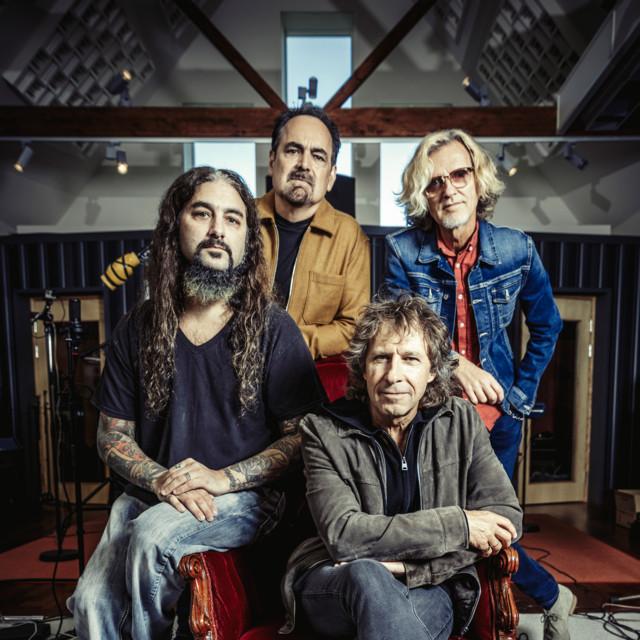
Spock's Beard

Rock
Progressive Rock
 Viberate Rank: 99085
 Viberate Rank: 99085
 Monthly ListenersFollowers
 Subscribers
 Followers
 Followers
 FansTop Spotify Songs
| Track | 7-Day Streams | |
|---|---|---|
1 | 3.39K | |
2 | 2.15K | |
3 | 1.44K | |
4 | 1.30K | |
5 | 912 |
Top YouTube VideosMonthly ListenersFeatured in Playlists| Playlist | Followers | |
|---|---|---|
1 |  Prog Rock Monsters Spotify | 391.03K |
2 | Prog Metal Giovanni Pignato | 13.71K |
3 |  Best New Prog Rock 2000 Onwards Presagio Records | 10.95K |
4 | Burning Jazz-rock Fusion fusionprogguy | 8.92K |
5 | Progressive Rock Geraldo Adami | 8.04K |
Audience| City | Monthly Listeners | |
|---|---|---|
1 |  | 528 |
2 |  | 366 |
3 |  | 256 |
4 |  | 248 |
5 |  | 212 |
See full performance history, audience data, playlist activity, rankings, comparisons, and more in Viberate music analytics. Start with a free trial, then continue with a paid plan.
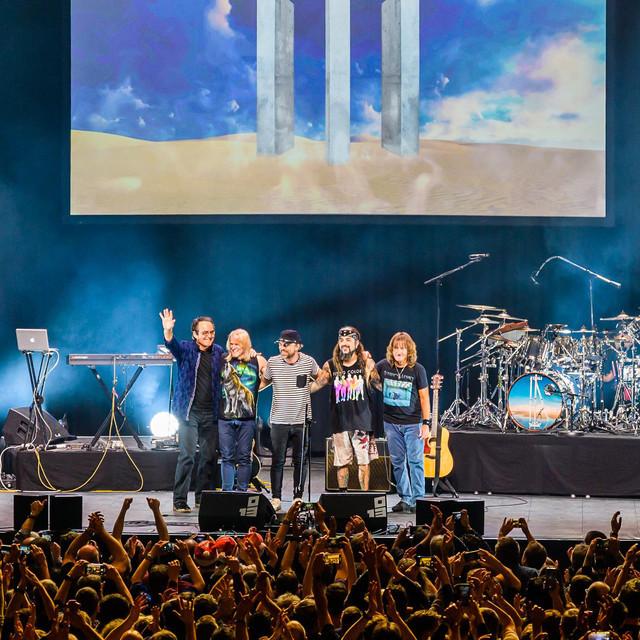
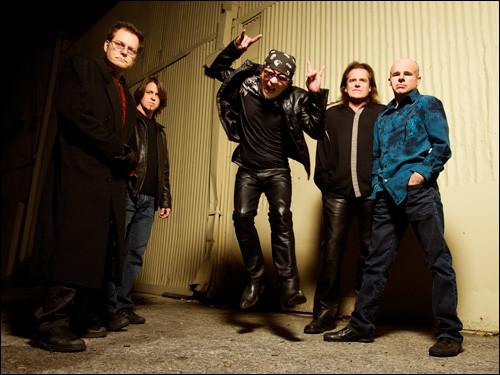
Spock's Beard’s Spotify BioSpock's Beard formed in 1992 when brothers Neal (lead vocals) and Al Morse (guitar) teamed up with drummer Nick D'Virgilio. After self-financing their first album, bassist Dave Meros joined, and The Light was recorded in 1994. Consisting of four lengthy songs, the album was well-received by progressive rock fans, but received little public acclaim. Ryo Okumoto joined in 1995 to play keyboards. In 1996, The Official Bootleg was released, a live performance containing the entire first album plus one song from the upcoming second album. The same year saw the band sign with various record labels around the world, in addition to releasing Beware of Darkness, which contained the same style of music, but in shorter pieces (all ten minutes or less, except for the 15-plus-minute last track). Spock's Beard's third studio album, The Kindness of Strangers, was released at the end of 1997; Day for Night followed in 1999, and V was issued a year later.
Deciding they had the experience and chops to… attempt a concept album, they spent the next few years putting together Snow. The double album revolved around the title character, an albino teenager who could possibly be the Messiah. Taking a much more detailed approach to the material, the band had a difficult two years writing the album and was rewarded with a strong promotional push from Metal Blade Records. Following Snow, Neal Morse became a born-again Christian and left the band. The remaining members quickly regrouped, however, with D'Virgilio assuming lead vocal duties, and managed to release Feel Euphoria the following year. Their first three albums were re-released in 2004, and in 2005 they delivered both the new studio offering Octane and Live in 2005: Gluttons for Punishment. The following year saw the release of the group's eponymous ninth studio long-player, followed by the aptly named X in 2010. Three years later the band returned with Brief Nocturnes and Dreamless Sleep, the first outing with new singer Ted Leonard, and drummer Jimmy Keegan in place of Nick D'Virgilio. Arriving in 2015, The Oblivion Particle marked the return of D'Virgilio, and in 2017 Spock's Beard released Snow Live, a complete performance of their acclaimed concept LP featuring the group's original lineup and various members. The band's 13th studio release, Noise Floor, appeared in 2018. ~ David White, Rovi
Viberate is a music analytics platform built for A&Rs, artist managers, labels, booking agents, marketers, and artists.
It helps music professionals track artist growth, analyze audience data, monitor playlist activity, compare artists, follow song performance, and identify opportunities across the music market.
Public artist pages provide a free preview of selected artist data. Paid plans provide access to deeper analytics, historical data, charts, comparisons, playlist tools, exports, alerts, reports, and additional professional features.
Yes. Public Viberate artist pages provide selected artist analytics and music data for free.
Viberate also offers a 7-day free trial of the full platform. A credit card is required to start the trial. The trial includes access to the complete product so users can test deeper artist analytics, historical views, playlist insights, comparisons, charts, exports, alerts, and reporting features before choosing a paid plan.
Viberate provides artist analytics across streaming, playlists, social media, video, radio airplay, songs, and audience markets.
Users can analyze Spotify performance, Spotify and Apple Music playlists, YouTube activity, TikTok and Instagram growth, radio spins, song performance, audience locations, demographics, rankings, and overall artist momentum.
Artist profiles also connect to music charts, similar artists, and comparison tools, helping users benchmark performance and evaluate artists in context.
Viberate updates key artist and track data daily.
For followed artists and tracks, selected data is refreshed multiple times per day. This helps teams monitor playlist changes, streaming movement, audience growth, releases, and campaign performance with more current data.
Update frequency can vary depending on the metric and data source.
Yes. Viberate lets users compare up to five artists side by side across streaming, social media, audience, and engagement metrics.
Users can compare fanbase growth, audience demographics, locations, Spotify performance, social metrics, and other artist data over selected time periods.
Artist comparison can be used for A&R scouting, benchmarking, booking decisions, campaign planning, and evaluating artists with similar audiences or market positions.