Split Vision


Pop
Indie Pop
Synthpop
Other Electronic Music
 Viberate Rank: 367598
 Viberate Rank: 367598
 Monthly ListenersFollowers
 Subscribers
 Followers
 Followers
 FansTop Spotify Songs
| Track | 7-Day Streams | |
|---|---|---|
1 | 1.02K | |
2 | 468 | |
3 | 149 | |
4 | 98 | |
5 | 18 |
Top YouTube Videos| Video | 7-Day Views | |
|---|---|---|
1 | 2 |
Monthly ListenersFeatured in Playlists| Playlist | Followers | |
|---|---|---|
1 |  Indie discoveries by Jai Agnish Jai Agnish | 5.91K |
2 |  Side-Line darkwave dark electro synthpop Side-Line Magazine | 3.72K |
3 |  God and me Angel | 3.62K |
4 |  THE WAVE SLL MUSIC | 3.58K |
5 |  SYNTHPOP XOY PRODUCTION | 3.18K |
Audience| City | Monthly Listeners | |
|---|---|---|
1 | | 12 |
2 | | 9 |
3 |  | 6 |
4 | | 6 |
5 | | 4 |
See full performance history, audience data, playlist activity, rankings, comparisons, and more in Viberate music analytics. Start with a free trial, then continue with a paid plan.
Split Vision’s Spotify BioReviving '80s synth vibes with a modern twist. Follow us for a nostalgic yet innovative musical journey! 🎹✨ Want a CD or vinyl? Get it here: https://elasticstage.com/splitvision
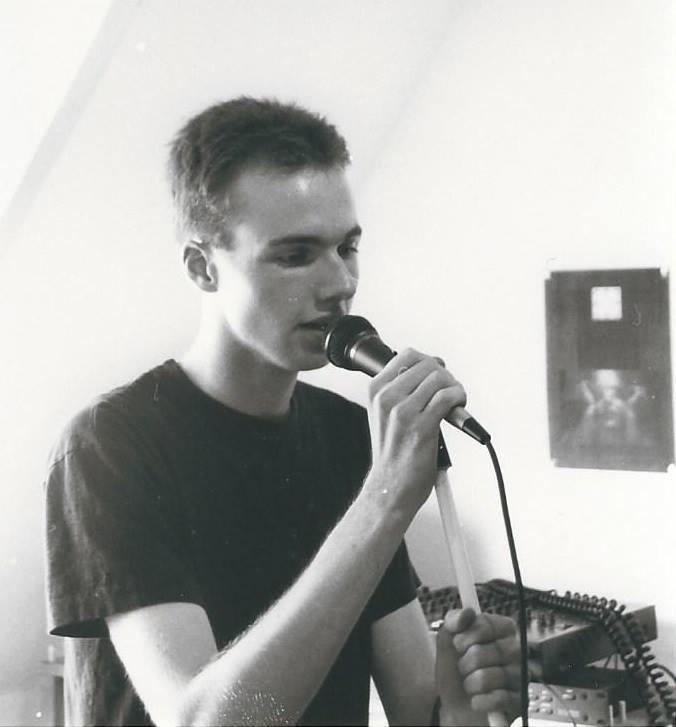
Split Vision is a synth group formed in Sweden, 1985.
The original set consisted of 4 young high school boys from the Kristianstad area who were influenced by groups such as Depeche Mode, Yazoo, Erasure and Pet Shop Boys.
The band's music can be described as melodic and dancing synthpop. During the late 80's, Split Vision made several live appearances at discos in northeastern Skåne and also participated in some radio shows and talent competitions. In 1988, the single "How will i ever" was released on Platina Records. After some intense years in the late 80's, the group split.
In the spring of 2019, two of the original members, Dan Hansson and Henric Palmqvist, decided to revive Split Vision, with the goal of writing new material with a clear connection to our musical roots in the 80's. The result was the album… "Among the stars" which was released on October 1, 2020.
With our songs we want to convey the feeling of the 80s and give the listeners a retro experience. We want to take the audience on a journey back to carefully carved arpeggios that smell of Moog and Yamaha DX-7.
We try to create an music with an atmosphere consisting of strong melodies performed by a distinct lead backed by a contemporary vocoder. The goal has been to recreate the sound we strived for from the start.
Viberate is a music analytics platform built for A&Rs, artist managers, labels, booking agents, marketers, and artists.
It helps music professionals track artist growth, analyze audience data, monitor playlist activity, compare artists, follow song performance, and identify opportunities across the music market.
Public artist pages provide a free preview of selected artist data. Paid plans provide access to deeper analytics, historical data, charts, comparisons, playlist tools, exports, alerts, reports, and additional professional features.
Yes. Public Viberate artist pages provide selected artist analytics and music data for free.
Viberate also offers a 7-day free trial of the full platform. A credit card is required to start the trial. The trial includes access to the complete product so users can test deeper artist analytics, historical views, playlist insights, comparisons, charts, exports, alerts, and reporting features before choosing a paid plan.
Viberate provides artist analytics across streaming, playlists, social media, video, radio airplay, songs, and audience markets.
Users can analyze Spotify performance, Spotify and Apple Music playlists, YouTube activity, TikTok and Instagram growth, radio spins, song performance, audience locations, demographics, rankings, and overall artist momentum.
Artist profiles also connect to music charts, similar artists, and comparison tools, helping users benchmark performance and evaluate artists in context.
Viberate updates key artist and track data daily.
For followed artists and tracks, selected data is refreshed multiple times per day. This helps teams monitor playlist changes, streaming movement, audience growth, releases, and campaign performance with more current data.
Update frequency can vary depending on the metric and data source.
Yes. Viberate lets users compare up to five artists side by side across streaming, social media, audience, and engagement metrics.
Users can compare fanbase growth, audience demographics, locations, Spotify performance, social metrics, and other artist data over selected time periods.
Artist comparison can be used for A&R scouting, benchmarking, booking decisions, campaign planning, and evaluating artists with similar audiences or market positions.