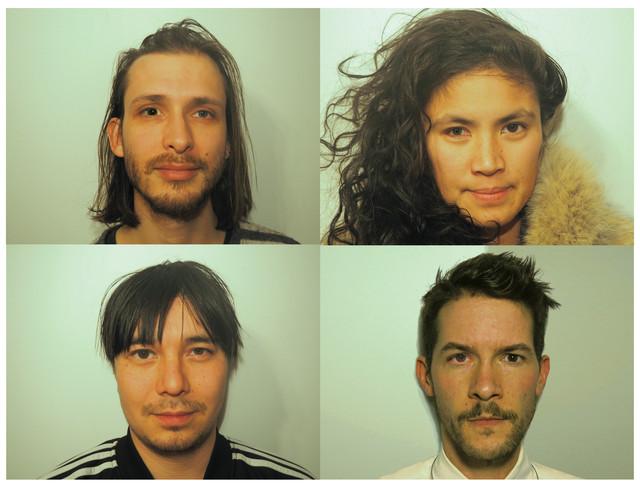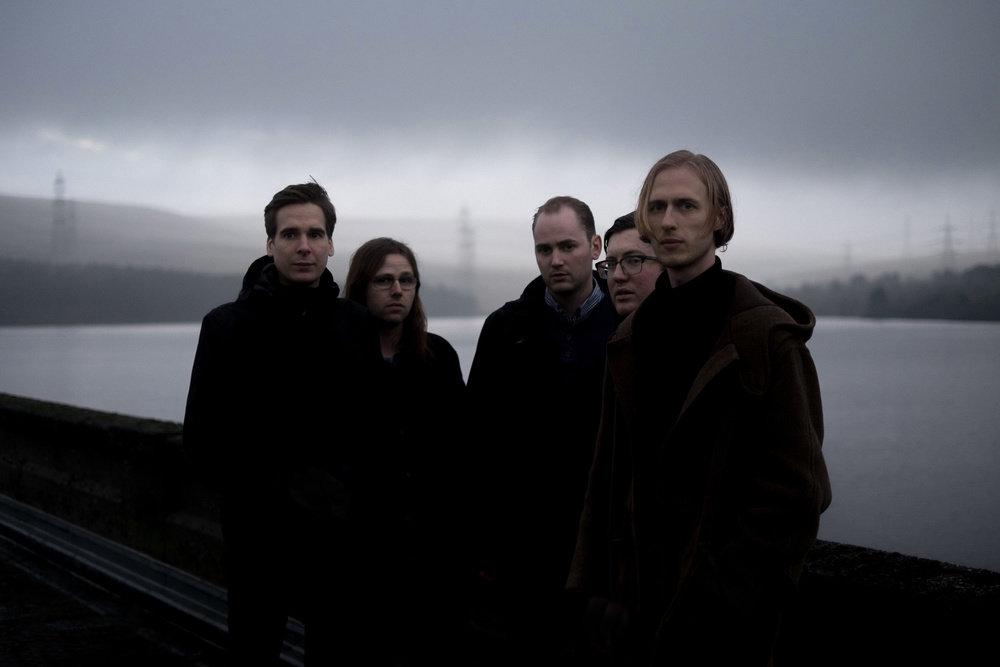
Splashh

Rock
Indie Rock
Garage Rock
 Viberate Rank: 165843
 Viberate Rank: 165843
 Monthly ListenersFollowers
 Subscribers
 Followers
 Followers
 FansTop Spotify Songs
| Track | 7-Day Streams | |
|---|---|---|
1 | 3.63K | |
2 | 1.29K | |
3 | 552 | |
4 | 392 | |
5 | 282 |
Top YouTube Videos| Video | 7-Day Views | |
|---|---|---|
1 | 108 | |
2 | 84 | |
3 | 28 | |
4 | 17 | |
5 | 16 |
Monthly ListenersFeatured in Playlists| Playlist | Followers | |
|---|---|---|
1 | While You Work (@whileyouwork) Eli Feghali | 81.75K |
2 | wicks Brennan McDowell | 43.73K |
3 | shoedream mmastodonn | 23.43K |
4 | 100 songs Yuki Ito | 15.15K |
5 |  The 100 Soundtrack Gal ♡ | 13.63K |
Audience| City | Monthly Listeners | |
|---|---|---|
1 |  | 430 |
2 |  | 332 |
3 | | 309 |
4 |  | 210 |
5 | | 177 |
See full performance history, audience data, playlist activity, rankings, comparisons, and more in Viberate music analytics. Start with a free trial, then continue with a paid plan.
Splashh’s Spotify BioForming in the Hackney sector of London in the winter of 2012, Splashh quickly developed a neo-shoegaze sound through a prolific string of singles that made waves on the Internet shortly after their release. The band, made up of Australian singer Toto Vivian, New Zealand-born guitarist Sasha Carlson, drummer Jacob Moore, and bassist Thomas Beal, followed in the footsteps of shoegaze figureheads like My Bloody Valentine, Ride, Chapterhouse, and Loop, but added a considerable amount of unhinged feedback to the mix more in line with Jesus and Mary Chain or Dinosaur Jr. guitar heroics. A single for their song "Need It" was released in July of 2012 as the band played out locally as well as on the summer festival circuit. Their debut album, Comfort, arrived in the spring of 2013.
After tour obligations were met, Carlson moved to New York City in late 2013 and teamed with Jaie Gonzalez of the band Kudogon to play shows as a stripped-down version of Splashh. Vivian and Beal soon joined the… pair, and work on their second album commenced. Moore didn't make the trip, and it was soon announced that he was no longer with the band. The reconfigured quartet decided to move away from the sound of their first album toward something with more electronic influences. As they worked, they played occasionally throughout 2014 and debuted new songs live. Toward the end of the year, they added a full-time drummer, Angus Tarnawsky, to the lineup. The first fruits of the band's efforts came to light in early 2015 when the "Pure Blue" single was released on Luv Luv Luv Records. It was recorded in Vivian's home studio and mixed by Nicolas Vernhes. Splashh continued working on new material, and in May of 2016 they signed with Cinematic Music Group and headed to Vernhes' Rare Book Room Studio in New York to record their second album. Once there, the quartet went back to the dream pop/shoegaze sound of their first album, with only a trace of the electronics they had been experimenting with over the previous few years. Titled Waiting a Lifetime, the album was released in April of 2017. ~ Fred Thomas, Rovi
Viberate is a music analytics platform built for A&Rs, artist managers, labels, booking agents, marketers, and artists.
It helps music professionals track artist growth, analyze audience data, monitor playlist activity, compare artists, follow song performance, and identify opportunities across the music market.
Public artist pages provide a free preview of selected artist data. Paid plans provide access to deeper analytics, historical data, charts, comparisons, playlist tools, exports, alerts, reports, and additional professional features.
Yes. Public Viberate artist pages provide selected artist analytics and music data for free.
Viberate also offers a 7-day free trial of the full platform. A credit card is required to start the trial. The trial includes access to the complete product so users can test deeper artist analytics, historical views, playlist insights, comparisons, charts, exports, alerts, and reporting features before choosing a paid plan.
Viberate provides artist analytics across streaming, playlists, social media, video, radio airplay, songs, and audience markets.
Users can analyze Spotify performance, Spotify and Apple Music playlists, YouTube activity, TikTok and Instagram growth, radio spins, song performance, audience locations, demographics, rankings, and overall artist momentum.
Artist profiles also connect to music charts, similar artists, and comparison tools, helping users benchmark performance and evaluate artists in context.
Viberate updates key artist and track data daily.
For followed artists and tracks, selected data is refreshed multiple times per day. This helps teams monitor playlist changes, streaming movement, audience growth, releases, and campaign performance with more current data.
Update frequency can vary depending on the metric and data source.
Yes. Viberate lets users compare up to five artists side by side across streaming, social media, audience, and engagement metrics.
Users can compare fanbase growth, audience demographics, locations, Spotify performance, social metrics, and other artist data over selected time periods.
Artist comparison can be used for A&R scouting, benchmarking, booking decisions, campaign planning, and evaluating artists with similar audiences or market positions.