Spettro

Electronic
House
Acid Techno
 Viberate Rank: 375561
 Viberate Rank: 375561
 Monthly ListenersFollowers
 Subscribers
 Followers
 Followers
 FansTop Spotify Songs
| Track | 7-Day Streams | |
|---|---|---|
1 | 21 | |
2 | 21 | |
3 | 20 | |
4 | 10 | |
5 | 9 |
Top YouTube VideosMonthly ListenersFeatured in Playlists| Playlist | Followers | |
|---|---|---|
1 |  Electro & IDM Science Cult | 6.19K |
2 |  RABM + Alerta Antifascista Records - Red & Anarchist Black Metal + More Sean | 3.10K |
3 |  oontz oontz adrian | 3.05K |
4 |  Kyle's Crate Kyle Walker | 1.68K |
5 | Little helpers Pascal Senn | 1.56K |
Audience| City | Monthly Listeners | |
|---|---|---|
1 |  | 17 |
2 |  | 14 |
3 |  | 13 |
4 |  | 10 |
5 |  | 7 |
See full performance history, audience data, playlist activity, rankings, comparisons, and more in Viberate music analytics. Start with a free trial, then continue with a paid plan.
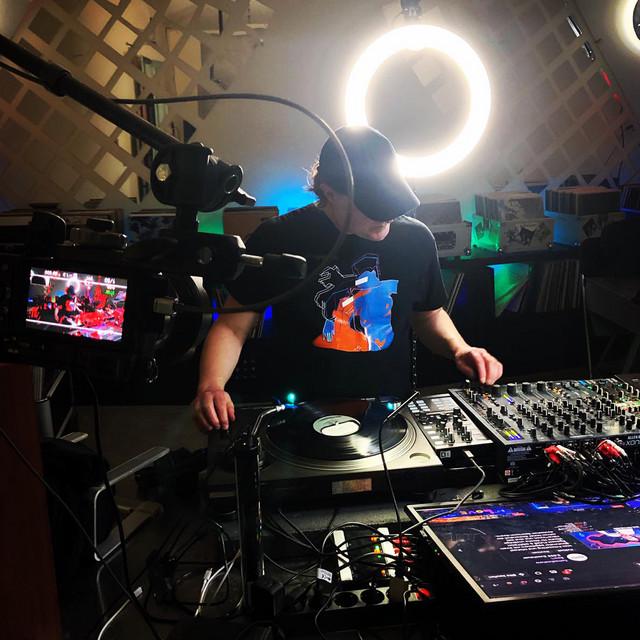
Spettro’s Spotify BioFew artists can straddle the fine line between house and techno and still stay true to form. “I definitely have a split personality,” says Spettro of his obsessive dedication to both genres. His roots come from the golden era of house, 1994-1996, but for the latter half of his 20-year career, he has steadily worked on producing a proper techno sound. Enter 2017, Spettro released his first techno EP on Pig&Dan’s critically acclaimed ELEVATE imprint, gaining support from big techno artists such as Alan Fitzpatrick and Arjun Vagale. This relatively new love affair doesn’t warrant ditching the old faithful, however. As a DJ, Spettro continues to take listeners on a journey through dub, disco-tinged house, deep house, deep tech, and of course, all shades of techno. And as a producer, all his tracks have one thing in common — dub.
Even though he experienced success early on in his career — 2002-2005, with releases on some of the biggest house labels of that era (Tango, Big Chief, Double Down,… Brique Rouge, Simple Soul, and Amenti) — Spettro feels he’s just now stepping into his own as a producer and well-rounded DJ. Like a fine brandy that took years to mature, his new techno sound has taken years to develop, and all the while, he’s been constantly refining his bread-and-butter house sound. But being a late bloomer brings some of the sweetest fruit to bear, and in 2015, he released hit house single “Get Tropical” on prominent Get Physical Music.
Viberate is a music analytics platform built for A&Rs, artist managers, labels, booking agents, marketers, and artists.
It helps music professionals track artist growth, analyze audience data, monitor playlist activity, compare artists, follow song performance, and identify opportunities across the music market.
Public artist pages provide a free preview of selected artist data. Paid plans provide access to deeper analytics, historical data, charts, comparisons, playlist tools, exports, alerts, reports, and additional professional features.
Yes. Public Viberate artist pages provide selected artist analytics and music data for free.
Viberate also offers a 7-day free trial of the full platform. A credit card is required to start the trial. The trial includes access to the complete product so users can test deeper artist analytics, historical views, playlist insights, comparisons, charts, exports, alerts, and reporting features before choosing a paid plan.
Viberate provides artist analytics across streaming, playlists, social media, video, radio airplay, songs, and audience markets.
Users can analyze Spotify performance, Spotify and Apple Music playlists, YouTube activity, TikTok and Instagram growth, radio spins, song performance, audience locations, demographics, rankings, and overall artist momentum.
Artist profiles also connect to music charts, similar artists, and comparison tools, helping users benchmark performance and evaluate artists in context.
Viberate updates key artist and track data daily.
For followed artists and tracks, selected data is refreshed multiple times per day. This helps teams monitor playlist changes, streaming movement, audience growth, releases, and campaign performance with more current data.
Update frequency can vary depending on the metric and data source.
Yes. Viberate lets users compare up to five artists side by side across streaming, social media, audience, and engagement metrics.
Users can compare fanbase growth, audience demographics, locations, Spotify performance, social metrics, and other artist data over selected time periods.
Artist comparison can be used for A&R scouting, benchmarking, booking decisions, campaign planning, and evaluating artists with similar audiences or market positions.