Speedway

Rock
Pop Rock
 Viberate Rank: 743454
 Viberate Rank: 743454
 Monthly ListenersFollowers
 Subscribers
 Followers
 Followers
 FansTop Spotify Songs
| Track | 7-Day Streams | |
|---|---|---|
1 | 327 | |
2 | 99 | |
3 | 49 | |
4 | 42 | |
5 | 24 |
Top YouTube VideosMonthly ListenersFeatured in Playlists| Playlist | Followers | |
|---|---|---|
1 | The Ultimate Cover Song Playlist Anna OBrien | 19.48K |
2 |  Rock Covers of Famous Songs Noah | 16.68K |
3 |  ⒸOMBAT +Edition Vete Ments | 11.88K |
4 | PUNK/ROCK COVERS sampatel85 | 7.28K |
5 | ROCK COVERS (Multiple Versions; Pick Your Favorite Versions) Dave | 6.11K |
Audience| City | Monthly Listeners | |
|---|---|---|
1 | | 84 |
2 | | 76 |
3 | | 38 |
4 | | 25 |
5 | | 23 |
See full performance history, audience data, playlist activity, rankings, comparisons, and more in Viberate music analytics. Start with a free trial, then continue with a paid plan.
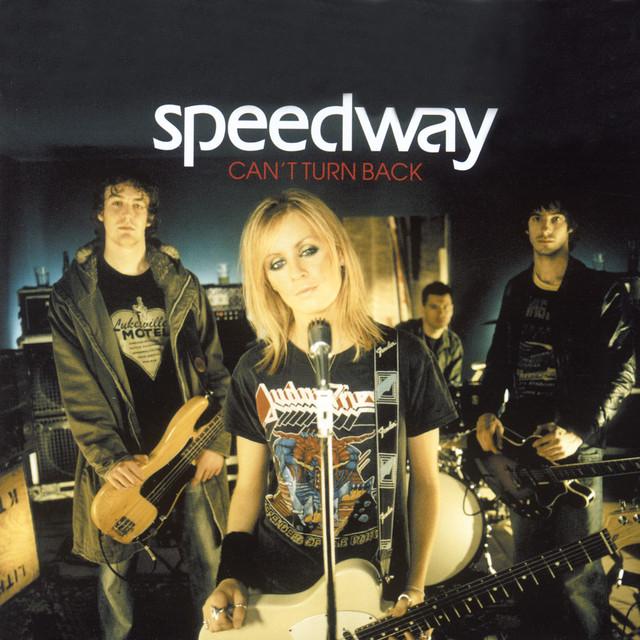
Speedway’s Spotify BioCompared to the likes of Blondie and the Pretenders by the U.K. press, Scottish pop/rock four-piece Speedway never quite managed to translate critical acclaim into chart success. Glaswegians Jill Jackson and drummer Jim Duguid formed the band -- named after an Elvis Presley film -- after discovering a mutual love of U2. After recruiting bassist Tom Swann and guitarist Dan Sells, who would later be replaced by Chris Leonard, the band played its first gig at the opening of Scottish Parliament in 1999. Earning a reputation as one of Scotland's best unsigned bands, Speedway attracted the attention of label boss Hugh Goldsmith after a live show at King Tut's Wah Wah Hut in Glasgow. In 2002, they signed with Innocent Records, a label normally associated with manufactured pop acts, and embarked on a tour of universities across the U.K. A year later, they released their debut single, a mashup of Christina Aguilera's "Genie in a Bottle" and the Strokes' "Hard to Explain," which reached number… ten. After supporting labelmates Blue on their U.K. tour, the band released second single "Can't Turn Back" (number 12) and debut album Save Yourself (number 42). Following a support slot with Bryan Adams, the band split up when third single "In and Out" could only reach number 31. Jackson formed a duo with Irish singer/songwriter Gianna Cassidy, released her own solo acoustic album, and began writing new material in Nashville. Duguid co-wrote several tracks on former Speedway roadie Paolo Nutini's debut album, These Streets, while Sells went on to front the hugely successful the Feeling. ~ Jon O'Brien, Rovi
Viberate is a music analytics platform built for A&Rs, artist managers, labels, booking agents, marketers, and artists.
It helps music professionals track artist growth, analyze audience data, monitor playlist activity, compare artists, follow song performance, and identify opportunities across the music market.
Public artist pages provide a free preview of selected artist data. Paid plans provide access to deeper analytics, historical data, charts, comparisons, playlist tools, exports, alerts, reports, and additional professional features.
Yes. Public Viberate artist pages provide selected artist analytics and music data for free.
Viberate also offers a 7-day free trial of the full platform. A credit card is required to start the trial. The trial includes access to the complete product so users can test deeper artist analytics, historical views, playlist insights, comparisons, charts, exports, alerts, and reporting features before choosing a paid plan.
Viberate provides artist analytics across streaming, playlists, social media, video, radio airplay, songs, and audience markets.
Users can analyze Spotify performance, Spotify and Apple Music playlists, YouTube activity, TikTok and Instagram growth, radio spins, song performance, audience locations, demographics, rankings, and overall artist momentum.
Artist profiles also connect to music charts, similar artists, and comparison tools, helping users benchmark performance and evaluate artists in context.
Viberate updates key artist and track data daily.
For followed artists and tracks, selected data is refreshed multiple times per day. This helps teams monitor playlist changes, streaming movement, audience growth, releases, and campaign performance with more current data.
Update frequency can vary depending on the metric and data source.
Yes. Viberate lets users compare up to five artists side by side across streaming, social media, audience, and engagement metrics.
Users can compare fanbase growth, audience demographics, locations, Spotify performance, social metrics, and other artist data over selected time periods.
Artist comparison can be used for A&R scouting, benchmarking, booking decisions, campaign planning, and evaluating artists with similar audiences or market positions.