Special Consensus

Country
Bluegrass
Americana/Alt Country
 Viberate Rank: 176453
 Viberate Rank: 176453
 Monthly ListenersFollowers
 Subscribers
 Followers
 Followers
 FansTop Spotify Songs
| Track | 7-Day Streams | |
|---|---|---|
1 | 8.53K | |
2 | 7.33K | |
3 | 1.43K | |
4 | 1.10K | |
5 | 987 |
Top YouTube VideosMonthly ListenersFeatured in Playlists| Playlist | Followers | |
|---|---|---|
1 | bluegrass radio Matt Gallik | 16.23K |
2 |  Bluegrass Christmas Spotify | 13.49K |
3 | Hayden Eldridge | 13.26K |
4 |  Here & Now DJ Sessions from NPR and WBUR (updated weekly) Here & Now | 10.97K |
5 | Bluegrass 1258178990 | 7.83K |
Audience| City | Monthly Listeners | |
|---|---|---|
1 | | 1.10K |
2 | | 530 |
3 | | 499 |
4 | | 473 |
5 | | 446 |
See full performance history, audience data, playlist activity, rankings, comparisons, and more in Viberate music analytics. Start with a free trial, then continue with a paid plan.
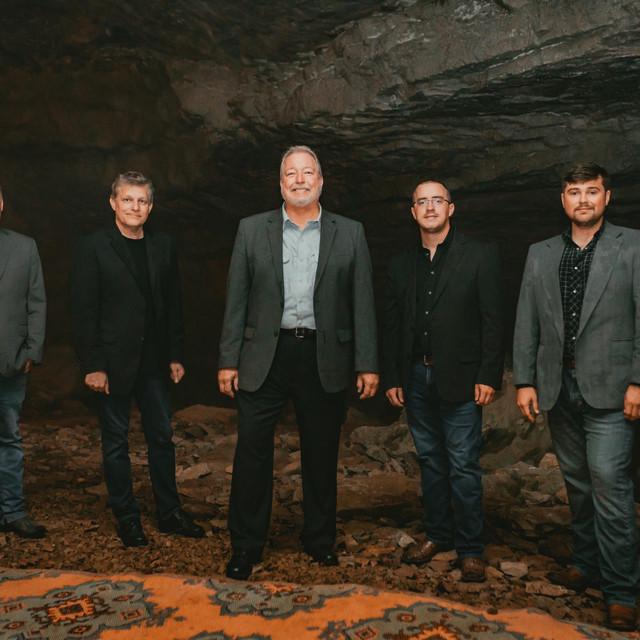
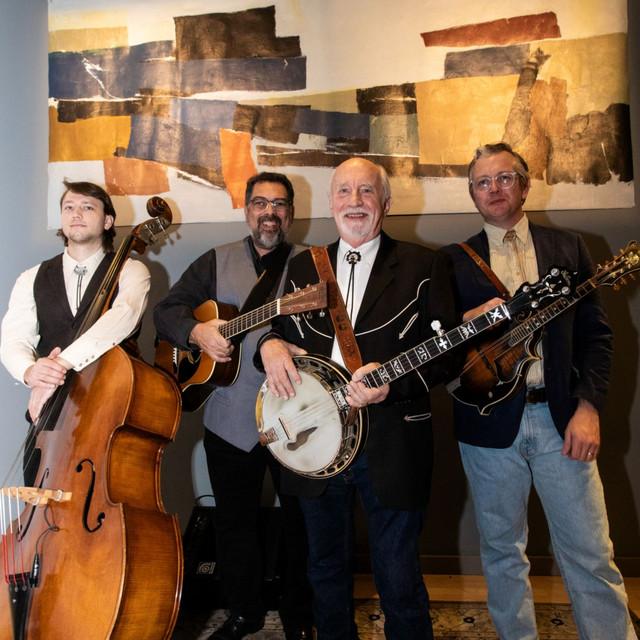
Special Consensus’ Spotify BioThe Special Consensus is a bluegrass band that has achieved a contemporary sound in over four decades of performing, making their music a modern classic. Band leader and founder Greg Cahill is a recipient of the prestigious Distinguished Achievement Award from the International Bluegrass Music Association (IBMA) and was inducted into the Society for the Preservation of Bluegrass Music in America (SPBGMA) Hall of Greats. Special Consensus has released 21 band recordings and received seven awards from the IBMA and two Grammy nominations.
Special Consensus’ sound is grounded in a deep appreciation and understanding of bluegrass music, incorporating both the drive and harmonies of the traditional sound with the more contemporary sounds and repertoire of today. With the foundation of Greg’s unique banjo playing style and the vocal prowess of the 2023 IBMA Male Vocalist of the Year Greg Blake (guitar), Dan Eubanks (bass) and Brian McCarty (mandolin), these musicians effortlessly support each… other and consistently maintain their bluegrass center whether they’re playing a jazz-tinged instrumental or a song from any of their award-winning recordings. These four talented vocalists and instrumentalists follow their creative desires without straying too far from their roots.
Viberate is a music analytics platform built for A&Rs, artist managers, labels, booking agents, marketers, and artists.
It helps music professionals track artist growth, analyze audience data, monitor playlist activity, compare artists, follow song performance, and identify opportunities across the music market.
Public artist pages provide a free preview of selected artist data. Paid plans provide access to deeper analytics, historical data, charts, comparisons, playlist tools, exports, alerts, reports, and additional professional features.
Yes. Public Viberate artist pages provide selected artist analytics and music data for free.
Viberate also offers a 7-day free trial of the full platform. A credit card is required to start the trial. The trial includes access to the complete product so users can test deeper artist analytics, historical views, playlist insights, comparisons, charts, exports, alerts, and reporting features before choosing a paid plan.
Viberate provides artist analytics across streaming, playlists, social media, video, radio airplay, songs, and audience markets.
Users can analyze Spotify performance, Spotify and Apple Music playlists, YouTube activity, TikTok and Instagram growth, radio spins, song performance, audience locations, demographics, rankings, and overall artist momentum.
Artist profiles also connect to music charts, similar artists, and comparison tools, helping users benchmark performance and evaluate artists in context.
Viberate updates key artist and track data daily.
For followed artists and tracks, selected data is refreshed multiple times per day. This helps teams monitor playlist changes, streaming movement, audience growth, releases, and campaign performance with more current data.
Update frequency can vary depending on the metric and data source.
Yes. Viberate lets users compare up to five artists side by side across streaming, social media, audience, and engagement metrics.
Users can compare fanbase growth, audience demographics, locations, Spotify performance, social metrics, and other artist data over selected time periods.
Artist comparison can be used for A&R scouting, benchmarking, booking decisions, campaign planning, and evaluating artists with similar audiences or market positions.