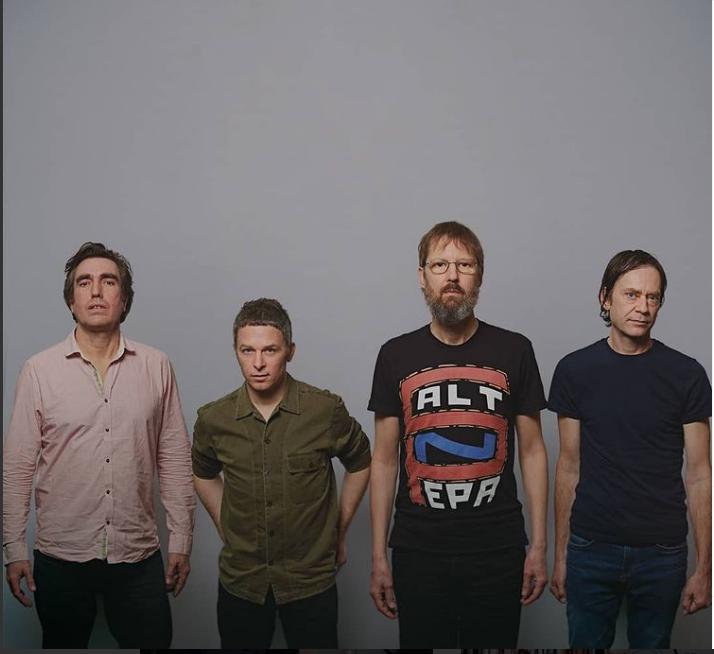
Spearmint

Rock
Indie Rock
Alternative Rock
 Viberate Rank: 291746
 Viberate Rank: 291746
 Monthly ListenersFollowers
 Subscribers
 Followers
 Followers
 FansTop Spotify Songs
| Track | 7-Day Streams | |
|---|---|---|
1 | 264 | |
2 | 169 | |
3 | 156 | |
4 | 146 | |
5 | 117 |
Top YouTube VideosMonthly ListenersFeatured in Playlists| Playlist | Followers | |
|---|---|---|
1 | Brit Pop 90s Indie & Alternative Sergio Otero Sevillano | 13.22K |
2 |  the jangle pop masterlist Arielle | 5.96K |
3 | Brit Pop Indie 90´s korsvoll31 | 4.67K |
4 | Le migliori canzoni 1995 - 2020 Dietnam | 2.38K |
5 |  History of Power Pop Luthercal | 2.00K |
Audience| City | Monthly Listeners | |
|---|---|---|
1 | | 98 |
2 | | 38 |
3 |  | 34 |
4 |  | 33 |
5 |  | 32 |
See full performance history, audience data, playlist activity, rankings, comparisons, and more in Viberate music analytics. Start with a free trial, then continue with a paid plan.
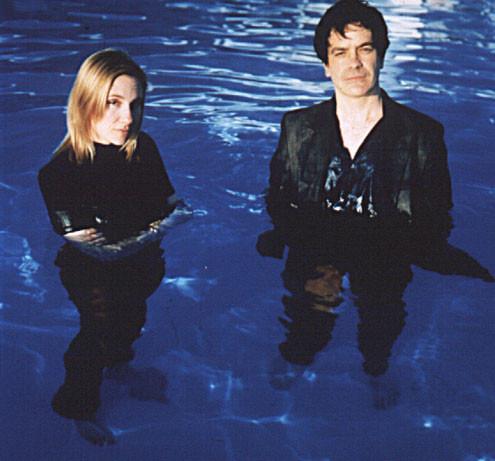
Spearmint’s Spotify BioAlthough they emerged during the Brit-pop explosion of the mid-'90s, Spearmint weren't made for the rock star posturing of bands like Oasis, and fit better with the cardigan-wearing bedroom bands of the C-86 mold. Half Brit-pop and half twee pop, their detail-rich songs -- built on jangly guitars and beats borrowed from Northern soul -- wore their hearts on their sleeves, just like their fans did. Singer Shirley Lee wrote sensitive pop songs for sensitive fanzine writers and had a fine line in anthems for the underdog like "Sweeping the Nation."
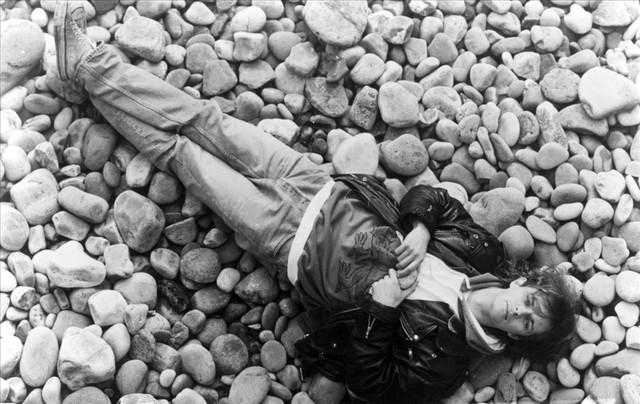
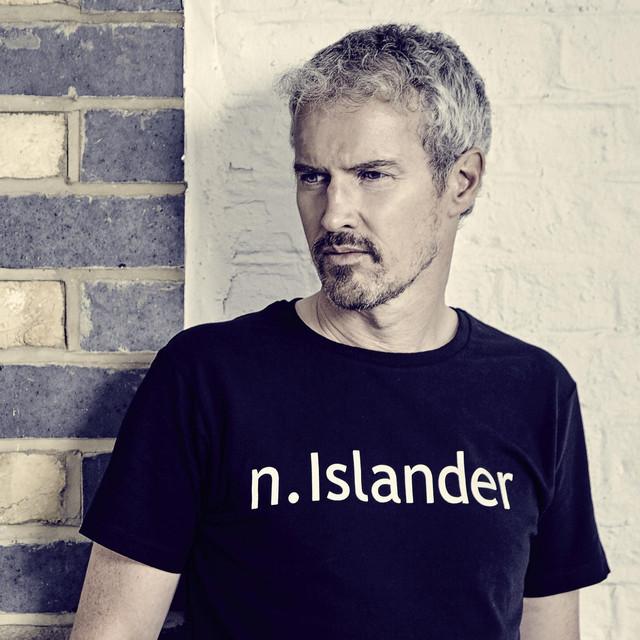
Shirley Lee (usually referred to in the press as Mr. Shirley Lee to clear up the ambiguous gender of his name) had been a member of Laverne & Shirlie before uniting the members of Spearmint in the southeast of London in 1995. In the band he sang and played guitar while Simon Calnan played keyboard and provided backing vocals, Ronan Larvor played drums, and Martin Talbot played bass. Forming their own label called hitBack in the finest indie pop… tradition, they released their earliest songs as vinyl white labels. When bass player Talbot left, they found his replacement, James Parsons, through a classified ad placed in the magazine Melody Maker. Parsons was also a graphic artist, and he went on to design the album covers and sleeves for the rest of the band's career.
Work on their ambitious first album took three years, and in 1998, before they had finished it, several of their early singles became surprisingly popular in Japan. Taking advantage of the moment, they compiled their earlier material together instead and released this as their debut album, Songs for the Colour Yellow, before heading out on a tour of Japan. In 1999 they released A Week Away, the album that they had planned to debut with. A concept album about a weeklong holiday representing the sum of a person's life, it proved less popular overseas but earned them fans within Britain.
After the lengthy process of recording A Week Away, they recorded the mini-album Oklahoma! much faster. Oklahoma! was another concept album, with each song about how a different inhabitant of the same town spent Christmas Eve. Released in 2001, the full-length A Different Lifetime had a looser concept, telling the story of a relationship and breakup. During its recording they realized that an extra guitarist was needed to get the sound they were after and briefly hired Dickon Edwards. Bass player Parsons, who had played guitar in his previous band, Supersaurus, decided to take over from Edwards (who was fired), and Andy Lewis was brought in to replace him on bass. A Different Lifetime's recording was expensive and too many copies were printed, resulting in a loss for the band. In 2003 they released My Missing Days, which featured radio DJ Samanthi singing on several of the tracks. She had met and befriended the bandmembers while interviewing them about the release of A Week Away.
Subsequently, Spearmint assembled all of their B-sides with an eye toward fitting them together on an album, inspired by the success of their first compilation. That B-side collection, A Leopard and Other Stories, was released in 2004. The next year the group toured Germany, performing acoustically, and The Boy and the Girl That Got Away, a limited-edition album of songs written specifically for the tour, was released. Their next release was another concept album, Paris in a Bottle, and was based on an experience Lee had while busking in Paris and spending the day with two French girls. He tracked down one of the girls to retell the story from her point of view on one of the songs while he presented his side on another. After Paris in a Bottle, Spearmint went on hiatus so that Lee could work on his solo album. All the members of the band appeared on that album, and following its release in 2009 they immediately began working together as Spearmint again. ~ Jody Macgregor, Rovi
Viberate is a music analytics platform built for A&Rs, artist managers, labels, booking agents, marketers, and artists.
It helps music professionals track artist growth, analyze audience data, monitor playlist activity, compare artists, follow song performance, and identify opportunities across the music market.
Public artist pages provide a free preview of selected artist data. Paid plans provide access to deeper analytics, historical data, charts, comparisons, playlist tools, exports, alerts, reports, and additional professional features.
Yes. Public Viberate artist pages provide selected artist analytics and music data for free.
Viberate also offers a 7-day free trial of the full platform. A credit card is required to start the trial. The trial includes access to the complete product so users can test deeper artist analytics, historical views, playlist insights, comparisons, charts, exports, alerts, and reporting features before choosing a paid plan.
Viberate provides artist analytics across streaming, playlists, social media, video, radio airplay, songs, and audience markets.
Users can analyze Spotify performance, Spotify and Apple Music playlists, YouTube activity, TikTok and Instagram growth, radio spins, song performance, audience locations, demographics, rankings, and overall artist momentum.
Artist profiles also connect to music charts, similar artists, and comparison tools, helping users benchmark performance and evaluate artists in context.
Viberate updates key artist and track data daily.
For followed artists and tracks, selected data is refreshed multiple times per day. This helps teams monitor playlist changes, streaming movement, audience growth, releases, and campaign performance with more current data.
Update frequency can vary depending on the metric and data source.
Yes. Viberate lets users compare up to five artists side by side across streaming, social media, audience, and engagement metrics.
Users can compare fanbase growth, audience demographics, locations, Spotify performance, social metrics, and other artist data over selected time periods.
Artist comparison can be used for A&R scouting, benchmarking, booking decisions, campaign planning, and evaluating artists with similar audiences or market positions.