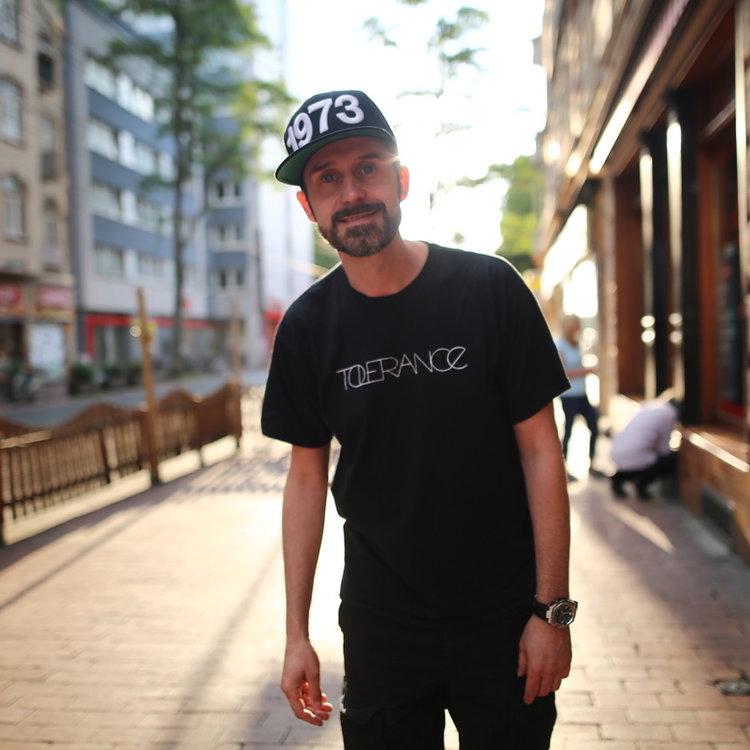
Spax

Hip Hop
Trap
Contemporary Hip Hop
 Viberate Rank: 121973
 Viberate Rank: 121973
 Monthly ListenersFollowers
 Subscribers
 Followers
 Followers
 FansTop Spotify Songs
| Track | 7-Day Streams | |
|---|---|---|
1 | 1.57K | |
2 | 959 | |
3 | 800 | |
4 | 572 | |
5 | 563 |
Top YouTube VideosMonthly ListenersFeatured in Playlists| Playlist | Followers | |
|---|---|---|
1 |  This Is Fettes Brot Spotify | 41.89K |
2 |  Deutscher Hip-Hop (mit Niveau) jewlzqb | 25.65K |
3 | GetOnMyLvLHipHop Marcel Eris | 25.16K |
4 |  WRMFZY BEATS wrmfzy | 18.79K |
5 |  Sound of Poetry Henri | 16.77K |
Audience| City | Monthly Listeners | |
|---|---|---|
1 | | 835 |
2 | | 752 |
3 | | 548 |
4 | | 537 |
5 | | 427 |
See full performance history, audience data, playlist activity, rankings, comparisons, and more in Viberate music analytics. Start with a free trial, then continue with a paid plan.
Spax’s Spotify BioSPAX (geb. 1973, bürgerlich: Rafael Szulc-Vollmann)
Spax kam als Jugendlicher mit HipHop in Kontakt.
In den Neunzigern war er bei der Plattenfirma Motor Musik (heute Universal Music) unter Vertrag. Spax nahm drei Alben auf, spielte bei den großen HipHop-Festivals und hatte zahlreiche Auftritte bei Viva, MTV und im Radio. Die Süddeutsche Zeitung beschrieb ihn 2015 als „einen Hip-Hop-Künstler aus der zweiten Reihe, [der] vielleicht weniger Platten verkauft, dafür aber die Szene in den 90er Jahren insgesamt umso mehr und nachhaltiger geprägt" hat. Besonders sein Ruf als Freestyle-Rapper eilt Spax heute noch voraus.
Er war stets sein eigener Manager. Später managte er auch andere Künstler und verhalf ihnen zu Plattenverträgen und Veröffentlichungen. Auch als Moderator machte er sich einen Namen; er hostete die unterschiedlichsten Events.
In Theater-Projekten war Spax als Autor, Schauspieler, Regisseur und auch als Rap-Coach für ein ganzes Ensemble aktiv. Das Goethe Institut lud ihn nach… Afrika, Neuseeland, Portugal und Singapur ein. Er rappte für zwei Bundespräsidenten (Roman Herzog und Horst Köhler) ist Autor von Kurzgeschichten und Hörspielen. Am hannoverschen Forschungsinstitut für Philosophie arbeitet er mit Prof. Dr. Jürgen Manemann an Publikationen und Veranstaltungen zum Thema „Die Philosophie des HipHop“.
Spax ist Unesco City of Music Botschafter.
Viberate is a music analytics platform built for A&Rs, artist managers, labels, booking agents, marketers, and artists.
It helps music professionals track artist growth, analyze audience data, monitor playlist activity, compare artists, follow song performance, and identify opportunities across the music market.
Public artist pages provide a free preview of selected artist data. Paid plans provide access to deeper analytics, historical data, charts, comparisons, playlist tools, exports, alerts, reports, and additional professional features.
Yes. Public Viberate artist pages provide selected artist analytics and music data for free.
Viberate also offers a 7-day free trial of the full platform. A credit card is required to start the trial. The trial includes access to the complete product so users can test deeper artist analytics, historical views, playlist insights, comparisons, charts, exports, alerts, and reporting features before choosing a paid plan.
Viberate provides artist analytics across streaming, playlists, social media, video, radio airplay, songs, and audience markets.
Users can analyze Spotify performance, Spotify and Apple Music playlists, YouTube activity, TikTok and Instagram growth, radio spins, song performance, audience locations, demographics, rankings, and overall artist momentum.
Artist profiles also connect to music charts, similar artists, and comparison tools, helping users benchmark performance and evaluate artists in context.
Viberate updates key artist and track data daily.
For followed artists and tracks, selected data is refreshed multiple times per day. This helps teams monitor playlist changes, streaming movement, audience growth, releases, and campaign performance with more current data.
Update frequency can vary depending on the metric and data source.
Yes. Viberate lets users compare up to five artists side by side across streaming, social media, audience, and engagement metrics.
Users can compare fanbase growth, audience demographics, locations, Spotify performance, social metrics, and other artist data over selected time periods.
Artist comparison can be used for A&R scouting, benchmarking, booking decisions, campaign planning, and evaluating artists with similar audiences or market positions.