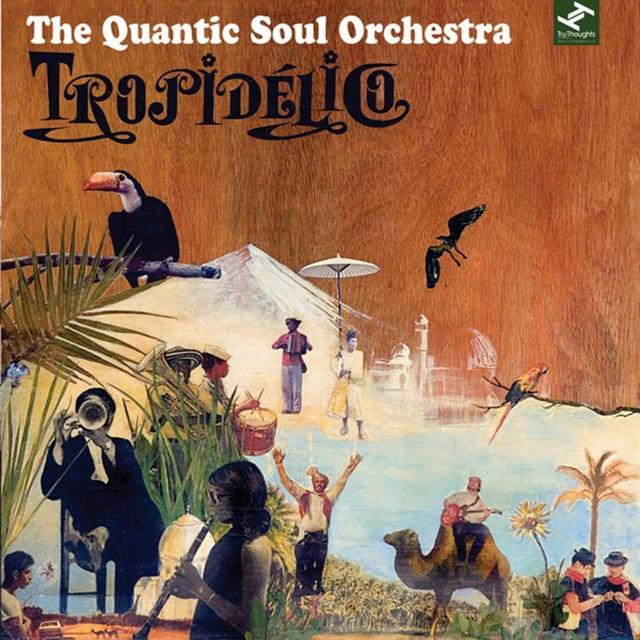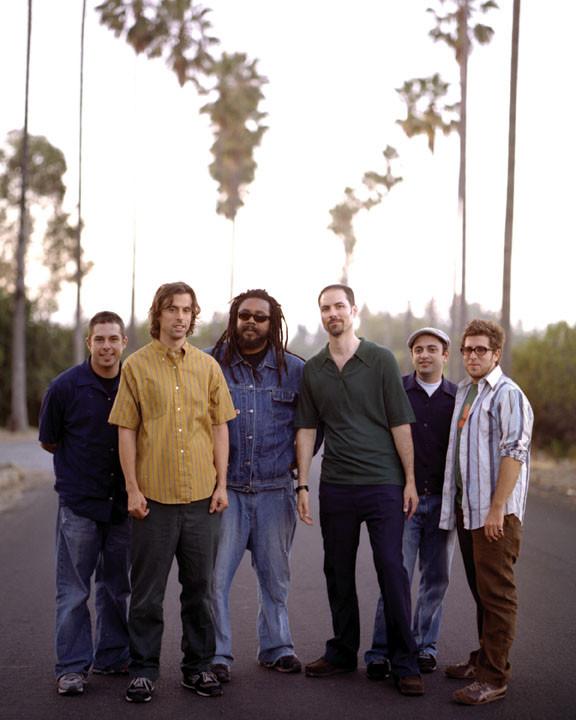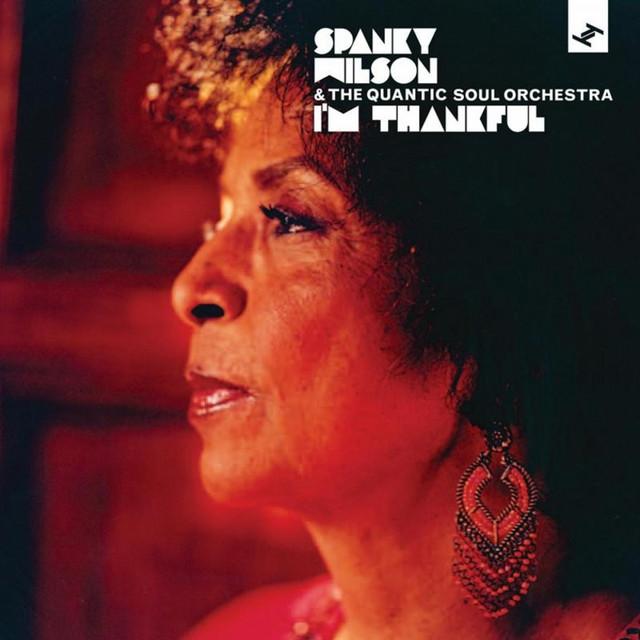
Spanky Wilson

R&B
Funk
Jazz Fusion
 Viberate Rank: 143145
 Viberate Rank: 143145
 Monthly ListenersFollowers
 Subscribers
 Followers
 Followers
 FansTop Spotify Songs
| Track | 7-Day Streams | |
|---|---|---|
1 | 17.74K | |
2 | 6.38K | |
3 | 6.38K | |
4 | 5.07K | |
5 | 4.29K |
Top YouTube VideosMonthly ListenersFeatured in Playlists| Playlist | Followers | |
|---|---|---|
1 | While You Work (@whileyouwork) Eli Feghali | 81.75K |
2 | Jazz · Blues · Soul · Funk · Swing Carles Sirvent | 59.34K |
3 | dalys | 43.80K |
4 |  Jazz Funk & Groove Guillermo Lanzani Lagomarsino | 36.08K |
5 |  Funk, Groove & Soul Gustavo Nassif A. Rodrigues | 24.08K |
Audience| City | Monthly Listeners | |
|---|---|---|
1 |  | 1.24K |
2 |  | 632 |
3 | | 624 |
4 |  | 481 |
5 |  | 475 |
See full performance history, audience data, playlist activity, rankings, comparisons, and more in Viberate music analytics. Start with a free trial, then continue with a paid plan.
Spanky Wilson’s Spotify BioBorn in Philadelphia, PA, soul singer Spanky Wilson (a nickname she received as a child due to the spankings her father gave her when she behaved badly) joined the scene in the late '60s with big-band recordings, moving to Paris in 1985 to continue her career there. With collaborations with the like of the Duke Ellington Orchestra, Lalo Schifrin, Marvin Gaye, Willie Bobo, and Sammy Davis, Jr., along with her own solo work, Wilson became a DJ favorite all over the world, including in England, where musician and producer Will Holland (Quantic, Quantic Soul Orchestra) spent many years searching for her (she had moved to Los Angeles in 2000). In 2004 Holland finally found Wilson, and they worked together on two songs for Quantic's record, Mishaps Happening, leading to a full-length Wilson and QSO album, I'm Thankful, which came out in 2006 on Ubiquity. ~ Marisa Brown, Rovi
Viberate is a music analytics platform built for A&Rs, artist managers, labels, booking agents, marketers, and artists.
It helps music professionals track artist growth, analyze audience data, monitor playlist activity, compare artists, follow song performance, and identify opportunities across the music market.
Public artist pages provide a free preview of selected artist data. Paid plans provide access to deeper analytics, historical data, charts, comparisons, playlist tools, exports, alerts, reports, and additional professional features.
Yes. Public Viberate artist pages provide selected artist analytics and music data for free.
Viberate also offers a 7-day free trial of the full platform. A credit card is required to start the trial. The trial includes access to the complete product so users can test deeper artist analytics, historical views, playlist insights, comparisons, charts, exports, alerts, and reporting features before choosing a paid plan.
Viberate provides artist analytics across streaming, playlists, social media, video, radio airplay, songs, and audience markets.
Users can analyze Spotify performance, Spotify and Apple Music playlists, YouTube activity, TikTok and Instagram growth, radio spins, song performance, audience locations, demographics, rankings, and overall artist momentum.
Artist profiles also connect to music charts, similar artists, and comparison tools, helping users benchmark performance and evaluate artists in context.
Viberate updates key artist and track data daily.
For followed artists and tracks, selected data is refreshed multiple times per day. This helps teams monitor playlist changes, streaming movement, audience growth, releases, and campaign performance with more current data.
Update frequency can vary depending on the metric and data source.
Yes. Viberate lets users compare up to five artists side by side across streaming, social media, audience, and engagement metrics.
Users can compare fanbase growth, audience demographics, locations, Spotify performance, social metrics, and other artist data over selected time periods.
Artist comparison can be used for A&R scouting, benchmarking, booking decisions, campaign planning, and evaluating artists with similar audiences or market positions.