Space Raptor

Rock
Pop Rock
Stoner Rock
 Viberate Rank: 457261
 Viberate Rank: 457261
 Monthly ListenersFollowers
 Subscribers
 Followers
 Followers
 FansTop Spotify Songs
| Track | 7-Day Streams | |
|---|---|---|
1 | 73 | |
2 | 61 | |
3 | 34 | |
4 | 25 | |
5 | 18 |
Top YouTube VideosMonthly ListenersFeatured in Playlists| Playlist | Followers | |
|---|---|---|
1 | Instrumental Psychedelic/Stoner Rock Adam Damon | 2.40K |
2 |  LOW & HEAVY FUZZ Hémorragie | 1.29K |
3 |  Stoner Rock Instrumentals Chris Moubert | 1.13K |
4 |  STONER ROCK / METAL #Psychedelic #Heavy #Space #Instrumental #Kraut #Doom mekeso | 1.01K |
Audience| City | Monthly Listeners | |
|---|---|---|
1 | | 31 |
2 | | 28 |
3 | | 18 |
4 | | 9 |
5 | | 9 |
See full performance history, audience data, playlist activity, rankings, comparisons, and more in Viberate music analytics. Start with a free trial, then continue with a paid plan.
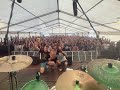
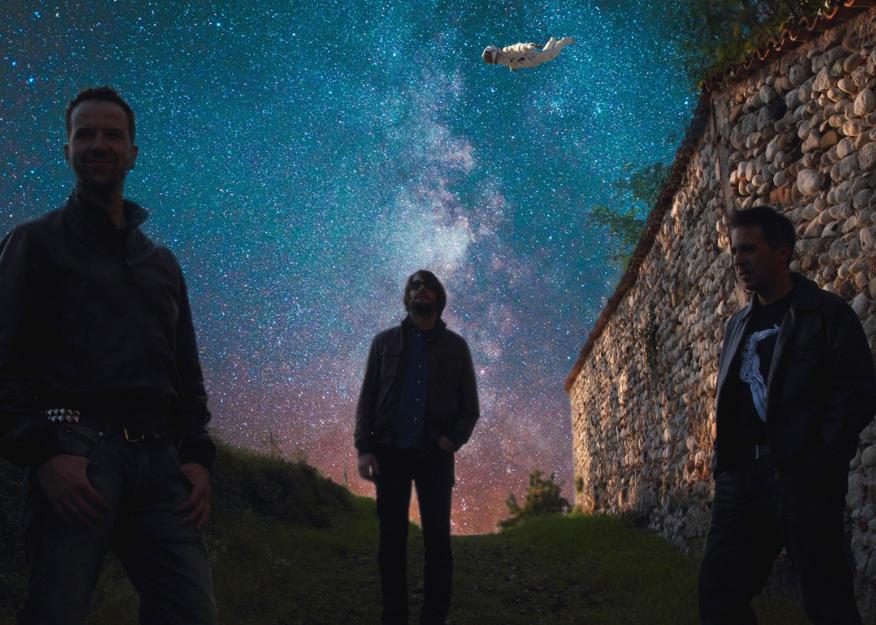
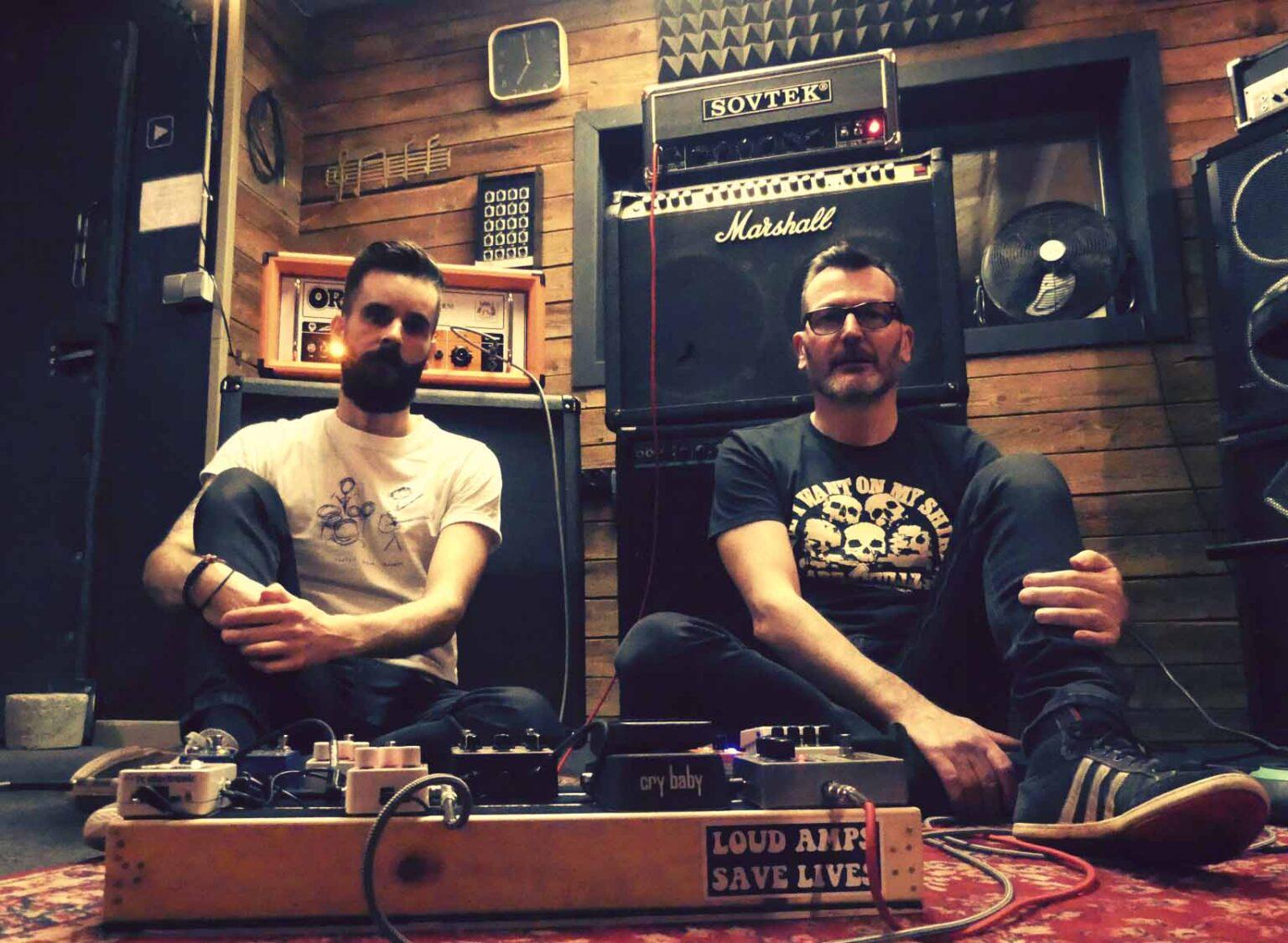
Space Raptor’s Spotify BioSpace Raptor is an instrumental stoner rock trio from Dresden, Germany, fusing heavy grooves with psychedelic depth and atmospheric textures.
The band’s story begins in the inspiring haze of Stoned From The Underground 2014, where Martin Gelbhaar (guitar), Paul Förster (bass), and David Lorenz (drums) met and formed a musical alliance rooted in raw energy and spaced-out intuition.
Space Raptor have released three albums to date, each reflecting a different stage of the band’s evolution. Their new third album is a massive leap—bold, emotional, and sonically rich.
The guitar often becomes the band’s voice: some listeners have even claimed they heard vocals where there were none. From sharp, hard-hitting riffs to melancholic, reverb-drenched solos, the playing spans heavy rock, metal, and post-rock textures—sometimes fierce, sometimes tender.
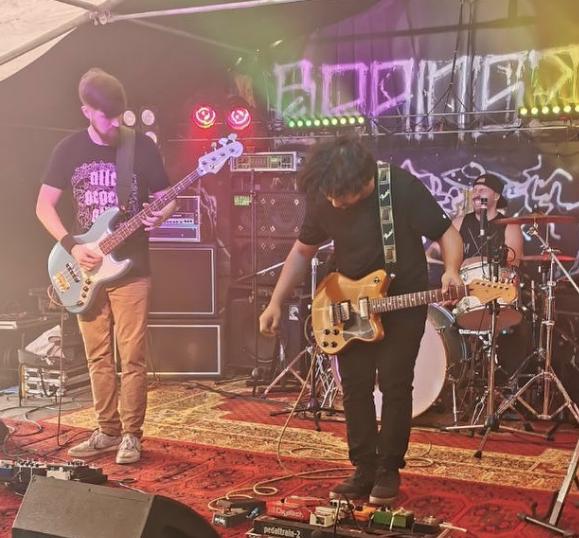
From a rehearsal space built above a working woodshop, the band continues to shape and evolve their sound with focus and intent. With a growing… presence on Germany’s live circuit and their first on-stage appearance at Stoned From The Underground in 2025—ten years after they discovered it from the crowd—Space Raptor now fully steps into their orbit.
Viberate is a music analytics platform built for A&Rs, artist managers, labels, booking agents, marketers, and artists.
It helps music professionals track artist growth, analyze audience data, monitor playlist activity, compare artists, follow song performance, and identify opportunities across the music market.
Public artist pages provide a free preview of selected artist data. Paid plans provide access to deeper analytics, historical data, charts, comparisons, playlist tools, exports, alerts, reports, and additional professional features.
Yes. Public Viberate artist pages provide selected artist analytics and music data for free.
Viberate also offers a 7-day free trial of the full platform. A credit card is required to start the trial. The trial includes access to the complete product so users can test deeper artist analytics, historical views, playlist insights, comparisons, charts, exports, alerts, and reporting features before choosing a paid plan.
Viberate provides artist analytics across streaming, playlists, social media, video, radio airplay, songs, and audience markets.
Users can analyze Spotify performance, Spotify and Apple Music playlists, YouTube activity, TikTok and Instagram growth, radio spins, song performance, audience locations, demographics, rankings, and overall artist momentum.
Artist profiles also connect to music charts, similar artists, and comparison tools, helping users benchmark performance and evaluate artists in context.
Viberate updates key artist and track data daily.
For followed artists and tracks, selected data is refreshed multiple times per day. This helps teams monitor playlist changes, streaming movement, audience growth, releases, and campaign performance with more current data.
Update frequency can vary depending on the metric and data source.
Yes. Viberate lets users compare up to five artists side by side across streaming, social media, audience, and engagement metrics.
Users can compare fanbase growth, audience demographics, locations, Spotify performance, social metrics, and other artist data over selected time periods.
Artist comparison can be used for A&R scouting, benchmarking, booking decisions, campaign planning, and evaluating artists with similar audiences or market positions.