Southern Pacific

Rock
Pop Rock
Country Rock
 Viberate Rank: 193082
 Viberate Rank: 193082
 Monthly ListenersFollowers
 Subscribers
 Followers
 Followers
 FansTop Spotify Songs
| Track | 7-Day Streams | |
|---|---|---|
1 | 3.31K | |
2 | 3.09K | |
3 | 3.05K | |
4 | 1.30K | |
5 | 1.20K |
Top YouTube VideosMonthly ListenersFeatured in Playlists| Playlist | Followers | |
|---|---|---|
1 | Mat Young | 67.68K |
2 |  aspen 102.3 pura musica las 24 horas [MARTI] | 17.19K |
3 |  #Frankymostro frankymostro | 17.16K |
4 | 1980s Country Super Hits (Exhaustive) ulyssessuperlative | 9.52K |
5 |  Southern Rock & Country Rock Frater Kilpatrick | 7.91K |
Audience| City | Monthly Listeners | |
|---|---|---|
1 |  | 818 |
2 |  | 567 |
3 | | 415 |
4 |  | 403 |
5 | | 393 |
See full performance history, audience data, playlist activity, rankings, comparisons, and more in Viberate music analytics. Start with a free trial, then continue with a paid plan.
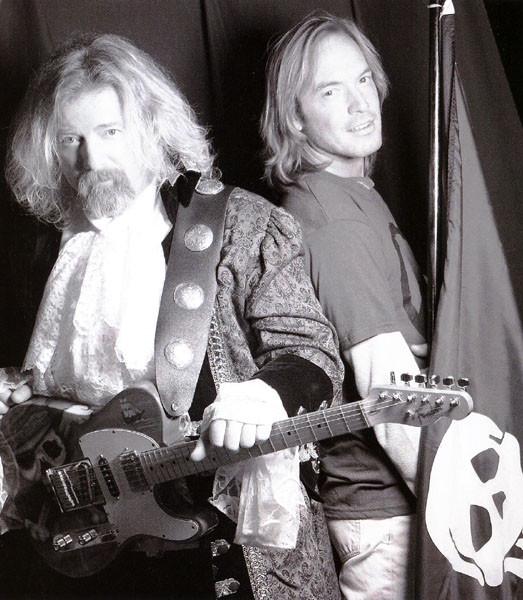
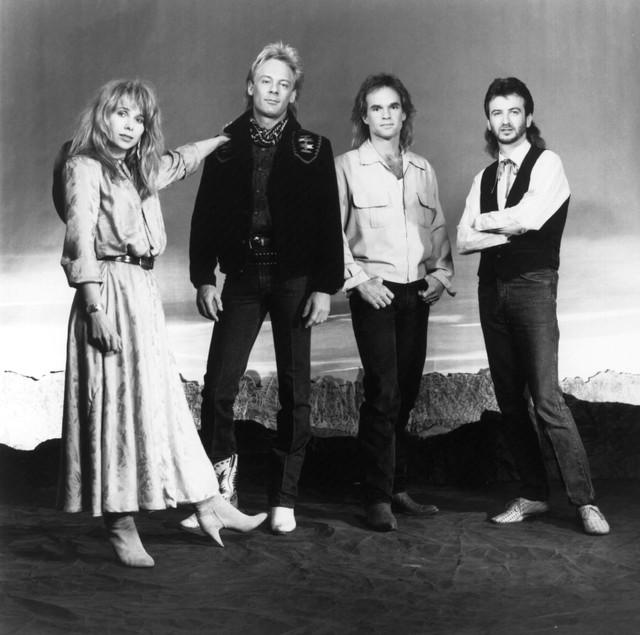
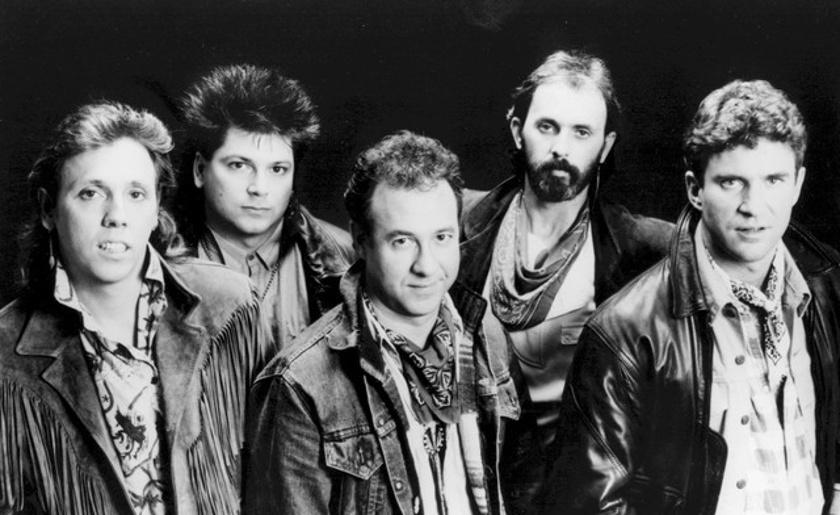
Southern Pacific’s Spotify BioSouthern Pacific formed in 1983 around vocalist Tim Goodman, guitarist John McFee, drummer Keith Knudsen, bassist Jerry Scheff, and keyboardist Glenn D. Hardin. Both McFee and Knudsen were ex-Doobie Brothers; this rock & roll background would continue to tarnish for some the band's country-rock sound. Despite the adversity, Southern Pacific secured a deal with Warner, who issued its self-titled debut in 1985. A mixed bag, the album featured Tom Petty-penned rock songs alongside more countrified material from songwriters like Rodney Crowell. Former CCR bassist Stu Cook replaced Scheff after the first record; Kurt Howell, who had played with Crystal Gayle, took Hardin's place behind the keyboard. The refurbished Southern Pacific lineup issued Killbilly Hill in 1986, and the album's cover of Bruce Springsteen's "Pink Cadillac" was a minor hit. Goodman departed then, to be replaced by vocalist David Jenkins. He was onboard for 1988's Zuma, which included Southern's biggest hit, "New Shade… of Blue," but left soon after, leaving only McFee, Knudsen, Cook, and Howell. The quartet issued County Line in 1989, but it was Southern Pacific's last gasp. Warner released a final greatest-hits collection in 1991. McFee and Knudsen returned to the Doobies; Cook toured with Doug Clifford as Cosmo's Factory; and Howell formed a group called Burnin' Daylight. ~ Johnny Loftus, Rovi
Viberate is a music analytics platform built for A&Rs, artist managers, labels, booking agents, marketers, and artists.
It helps music professionals track artist growth, analyze audience data, monitor playlist activity, compare artists, follow song performance, and identify opportunities across the music market.
Public artist pages provide a free preview of selected artist data. Paid plans provide access to deeper analytics, historical data, charts, comparisons, playlist tools, exports, alerts, reports, and additional professional features.
Yes. Public Viberate artist pages provide selected artist analytics and music data for free.
Viberate also offers a 7-day free trial of the full platform. A credit card is required to start the trial. The trial includes access to the complete product so users can test deeper artist analytics, historical views, playlist insights, comparisons, charts, exports, alerts, and reporting features before choosing a paid plan.
Viberate provides artist analytics across streaming, playlists, social media, video, radio airplay, songs, and audience markets.
Users can analyze Spotify performance, Spotify and Apple Music playlists, YouTube activity, TikTok and Instagram growth, radio spins, song performance, audience locations, demographics, rankings, and overall artist momentum.
Artist profiles also connect to music charts, similar artists, and comparison tools, helping users benchmark performance and evaluate artists in context.
Viberate updates key artist and track data daily.
For followed artists and tracks, selected data is refreshed multiple times per day. This helps teams monitor playlist changes, streaming movement, audience growth, releases, and campaign performance with more current data.
Update frequency can vary depending on the metric and data source.
Yes. Viberate lets users compare up to five artists side by side across streaming, social media, audience, and engagement metrics.
Users can compare fanbase growth, audience demographics, locations, Spotify performance, social metrics, and other artist data over selected time periods.
Artist comparison can be used for A&R scouting, benchmarking, booking decisions, campaign planning, and evaluating artists with similar audiences or market positions.