Soulive

Jazz
Jazz Fusion
Funk
 Viberate Rank: 89108
 Viberate Rank: 89108
 Monthly ListenersFollowers
 Subscribers
 Followers
 Followers
 FansTop Spotify Songs
| Track | 7-Day Streams | |
|---|---|---|
1 | 20.38K | |
2 | 17.92K | |
3 | 3.97K | |
4 | 3.45K | |
5 | 3.33K |
Top YouTube VideosMonthly ListenersFeatured in Playlists| Playlist | Followers | |
|---|---|---|
1 |  I Love My Neo-Soul Spotify | 614.71K |
2 |  Jazz-Funk Spotify | 425.82K |
3 |  Funky Jazz, Blues & Soul The New Funky | 74.07K |
4 |  SAMURAI CHAMPLOO Phyllis Chen | 68.44K |
5 |  Robo-Funk Spotify | 63.37K |
Audience| City | Monthly Listeners | |
|---|---|---|
1 | | 757 |
2 | | 696 |
3 | | 689 |
4 | | 593 |
5 | | 521 |
See full performance history, audience data, playlist activity, rankings, comparisons, and more in Viberate music analytics. Start with a free trial, then continue with a paid plan.
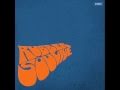
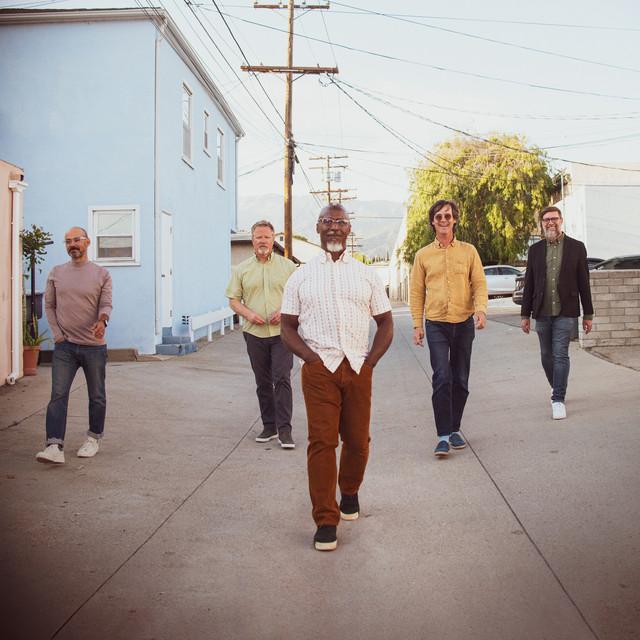
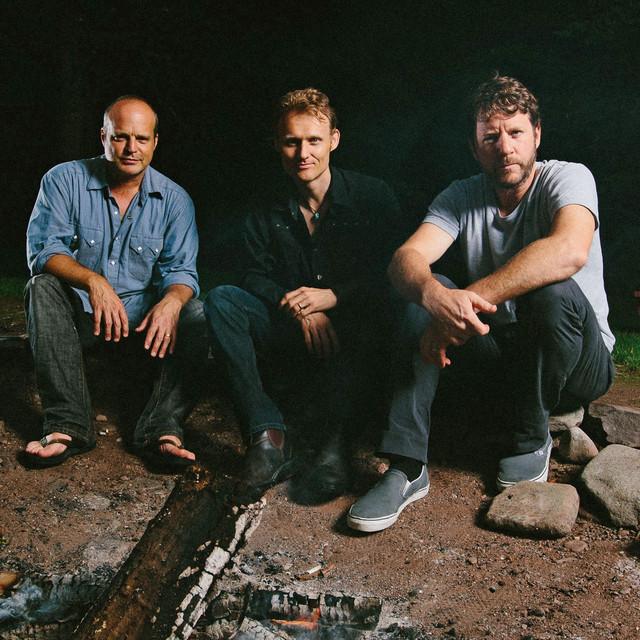
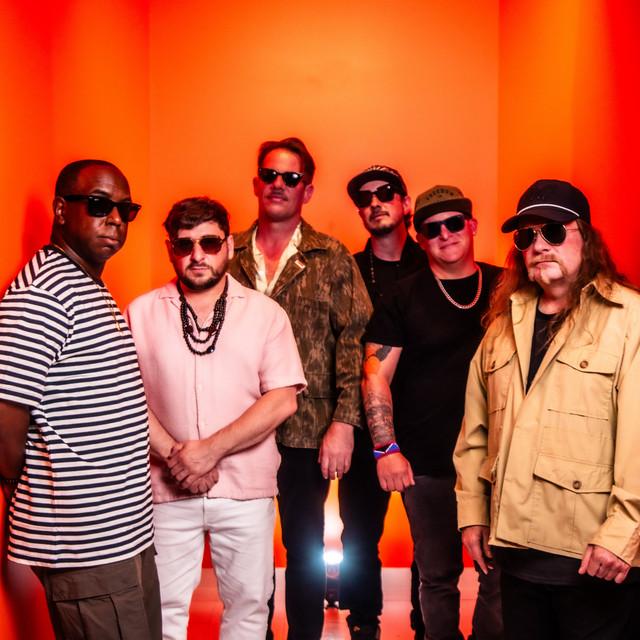
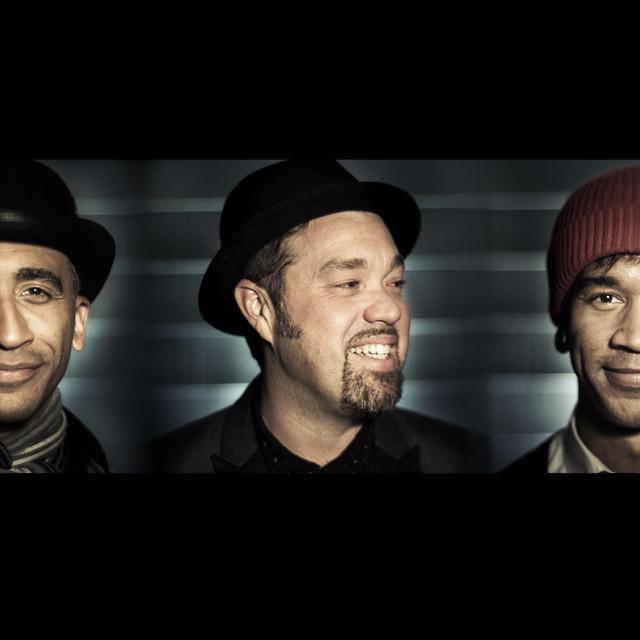
Soulive’s Spotify BioSince the end of the 1990s, jazz-funk trio Soulive have melded vintage soul-jazz with modern jazz-funk, sophisticated pop, and hip-hop. Their core membership includes guitarist/producer (and Lettuce co-founder) Eric Krasno, drummer and studio engineer Alan Evans, and Neal Evans on Hammond B-3 organ and keyboards (and a first-call sideman for many artists. While they record and play together as an instrumental trio, they have collaborated with horn players and vocalists. The band's 1999 debut Get Down! registered with college audiences and won them international touring spots with Karl Denson, Maceo Parker, and others. Between 2001 and 2003 they issued three Top Ten albums as part of a non-exclusive deal with Blue Note, including the number three Next. They shifted to Concord for 2005's Break Out. Between 2006 and 2007 they collaborated with vocalist Toussaint Yeshua, resulting in the band's Stax album No Place Like Soul. For 2009's Up Here, their Royal Family debut, they recruited… vocalist Nigel Hall and a horn section. The following year Soulive delivered an instrumental tribute to the Beatles entitled Rubber Soulive, and Live at the Blue Note Tokyo that featured jazz trumpeter Christian Scott in the horn section. 2012's Spark was a collaboration with Denson. Soulive spent the next five years on an informal hiatus while its members pursued other projects. They reunited for the studio EP Cinematics, Vol. 1 in 2018, and in 2021 issued Gettin Down at Hampshire College and re-released an expanded version of Get Down!
The band was formed in Woodstock, New York in 1996. Alan and Neal had been members of Moon Boot Lover -- Alan also played with the Greyboy Allstars -- and then hip-hop with Edreys (Billy Drease Williams) as the Elements, then formed a jazz organ trio by enlisting former schoolmate and guitarist Eric Krasno to record some tracks with them in their home studio. That session became the Get Down! EP, released on their own Velour Recordings, and they hit the road. Soulive toured with and opened for a number of notables (including John Scofield, Maceo Parker, Los Lobos, Derek Trucks, and Robben Ford) before headlining their own shows.
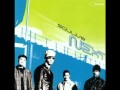
The band's full-length debut, Turn It Out, was released on the Velour label in 2000 and included Scofield as a guest. That release generated such a buzz among young listeners that they were signed by Blue Note. They issued their label debut, Doin' Something, in 2001, which peaked at number 14 on the Jazz Albums chart. A year later, after touring the globe, they issued Next. It reached number seven thanks to its popularity at college radio, propelled by vocal guests who included Black Thought, Talib Kweli, Amel Larrieux, and Dave Matthews. They followed it with the self-monikered concert offering Soulive in 2003, which peaked at number ten. After endless touring and a label shuffle at Blue Note, Soulive moved over to Concord for 2005's collaborative Breakout. Nearly all of its tracks included guests. Chaka Khan sang on "Back Again" while Reggie Watts delivered lyrics and beatbox vocals on "She's Hooked" and "What Can You Do?" and Corey Glover appeared on "Freedom." Instrumental guests included Robert Randolph and Ivan Neville. The set peaked at number six on the jazz albums charts. Not to be left out, Blue Note issued the comp Steady Groovin'; it landed inside the jazz Top 40. Between 2004 and 2006, Soulive also released a series of concerts on Instant Live Records.
2007's No Place Like Soul was issued by the Concord-distributed Stax. Unlike the band's preceding releases, this one deviated from the jazz-funk approach. They enlisted vocalist Toussaint Yeshua to front the band in a program of neo-soul, progressive R&B, and reggae. It went to number five.
Soulive marked their tenth anniversary with 2009's studio effort Up Here -- their label debut for the Dutch roots label Royal Family Records. Their lineup was buoyed by the Shady Horns (alto saxophonist Sam Kininger and tenor sax player Ryan Zoidis). Lettuce's Grammy-winning soul singer/keyboardist Nigel Hall assisted on two tracks. It peaked at number 17. That year also saw the release of Live in San Francisco.
They toured the globe both as headliners -- playing sold-out clubs and small theaters -- and enjoyed enthusiastic response as a support act for other artists in larger venues. In 2010, Soulive paid tribute to the Beatles with Rubber Soulive. Without guests, it comprised 11 songs (the same number as on Rubber Soul) from across the band's career. Jazz fans responded by sending the set into the Top Ten. That year also saw the release of Live at the Blue Note Tokyo. In 2012, in collaboration with saxophonist Karl Denson, Soulive paid tribute to soul-jazz guitarist Melvin Sparks with the EP Spark! It contained cuts recorded in the studio including covers of Freddie Hubbard's "Povo," Kenny Barron's "Nubian Lady, and Art Farmer's "Soul Sides," as well as the band-composed title track. The Japanese version issued by P-Vine included a pair of live bonus tracks with the originals "Shaheed" and "Liquid."
After a tour, Soulive went on an unofficial hiatus. Krasno pursued work with Lettuce and produced albums by Aaron Neville, London Souls, Marcus King, and Hall. He left Lettuce after 2015's Crush and released the solo outing Blood from a Stone in 2016. Alan Evans spent time running his Iron Wax studio in Western Massachusetts while touring with Matador! Soul Sounds, a band he co-founded with New Mastersounds' guitarist Eddie Roberts. Neal Evans established himself as a film and television composer, and played with many musicians, including Jack White on Boarding House Reach.
In late 2017, Soulive reconvened at Iron Wax. Each member of the trio brought loose ideas based on a love of film music to the sessions. The band quickly rediscovered its collective chemistry and recorded Cinematics, Vol. 1, an EP of original songs. Released in March 2018, the set peaked at number nine on the jazz albums chart and at number four on the Contemporary Jazz Albums list. They followed with a tour of the States and Europe, and in 2019, Krasno moved to the West Coast. In 2021, as the trio considered a studio effort and a U.S. tour, Cinematics, Vol. 1 received a renewed push at streaming and made the jazz charts. Its reappearance co-coincided with the release of the limited-edition concert set Gettin Down at Hampshire College, and a 20th anniversary edition of their debut album Get Down! with a bonus track from the original sessions. Both were released by Alan Evans' Vintage League Music label. ~ Thom Jurek, Rovi
Viberate is a music analytics platform built for A&Rs, artist managers, labels, booking agents, marketers, and artists.
It helps music professionals track artist growth, analyze audience data, monitor playlist activity, compare artists, follow song performance, and identify opportunities across the music market.
Public artist pages provide a free preview of selected artist data. Paid plans provide access to deeper analytics, historical data, charts, comparisons, playlist tools, exports, alerts, reports, and additional professional features.
Yes. Public Viberate artist pages provide selected artist analytics and music data for free.
Viberate also offers a 7-day free trial of the full platform. A credit card is required to start the trial. The trial includes access to the complete product so users can test deeper artist analytics, historical views, playlist insights, comparisons, charts, exports, alerts, and reporting features before choosing a paid plan.
Viberate provides artist analytics across streaming, playlists, social media, video, radio airplay, songs, and audience markets.
Users can analyze Spotify performance, Spotify and Apple Music playlists, YouTube activity, TikTok and Instagram growth, radio spins, song performance, audience locations, demographics, rankings, and overall artist momentum.
Artist profiles also connect to music charts, similar artists, and comparison tools, helping users benchmark performance and evaluate artists in context.
Viberate updates key artist and track data daily.
For followed artists and tracks, selected data is refreshed multiple times per day. This helps teams monitor playlist changes, streaming movement, audience growth, releases, and campaign performance with more current data.
Update frequency can vary depending on the metric and data source.
Yes. Viberate lets users compare up to five artists side by side across streaming, social media, audience, and engagement metrics.
Users can compare fanbase growth, audience demographics, locations, Spotify performance, social metrics, and other artist data over selected time periods.
Artist comparison can be used for A&R scouting, benchmarking, booking decisions, campaign planning, and evaluating artists with similar audiences or market positions.