Soul Bitches

R&B
Funk
Neo Soul
 Viberate Rank: 331527
 Viberate Rank: 331527
 Monthly ListenersFollowers
 Subscribers
 Followers
 Followers
 FansTop Spotify Songs
| Track | 7-Day Streams | |
|---|---|---|
1 | 66 | |
2 | 51 | |
3 | 51 | |
4 | 37 | |
5 | 34 |
Top YouTube VideosMonthly ListenersFeatured in Playlists| Playlist | Followers | |
|---|---|---|
1 | Soul en español Rocío Lopez Quero | 1.81K |
2 |  NEO-SOUL LATINO 🌓 Mariano Nieves | 1.32K |
Audience| City | Monthly Listeners | |
|---|---|---|
1 | | 102 |
2 | | 24 |
3 |  | 6 |
4 | | 5 |
5 | | 4 |
See full performance history, audience data, playlist activity, rankings, comparisons, and more in Viberate music analytics. Start with a free trial, then continue with a paid plan.
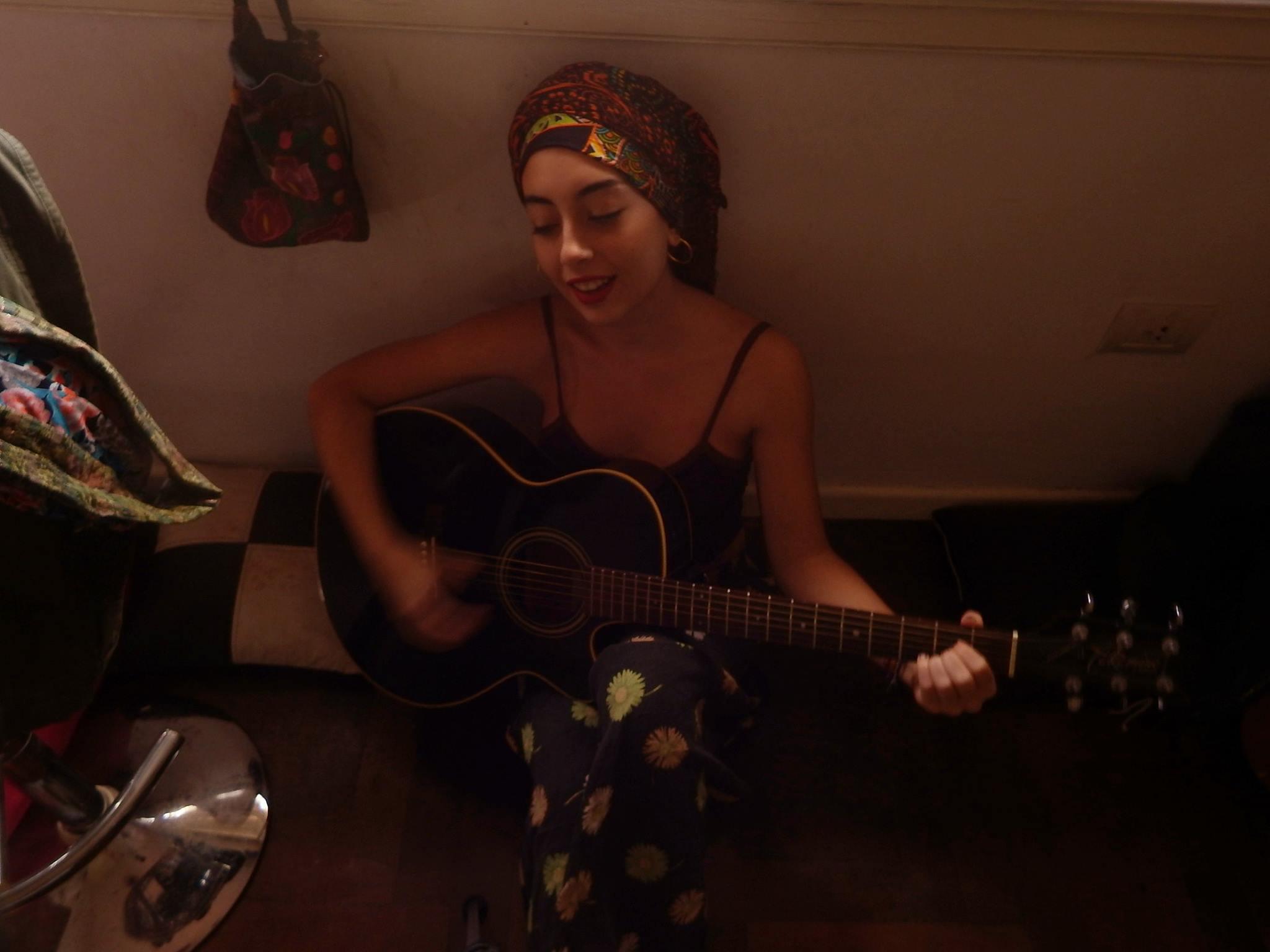
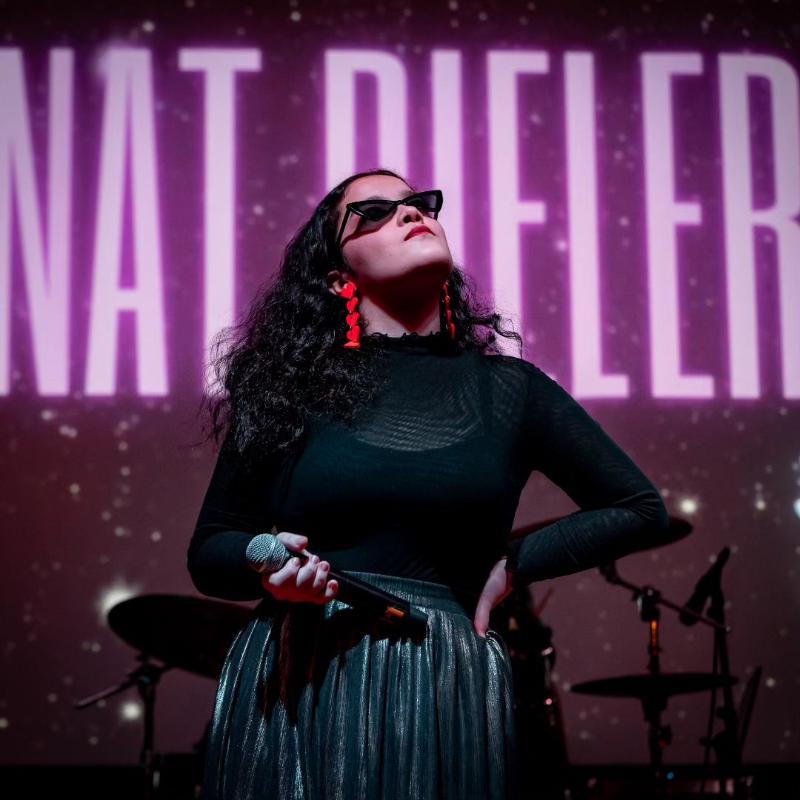
Soul Bitches’ Spotify BioSoul Bitches es una experiencia de Neo Soul y Funk con colores electrónicos creada en Córdoba, Argentina, en 2018. La banda está conformada por dos voces femeninas y tres instrumentistas.
Las cantantes son un caldero de distintos estilos, técnicas y conocimientos que se potencian juntos. Ellas son: Rochi Goloboff y Porte Piatti. Por su parte, Franco Di Pietro lleva el beat de la banda, Gaston Saucedo toca el teclado y sintetizadores, y Lucas Baxx el bajo.
El proyecto nació con el objetivo principal de empoderar y generar sororidad entre artistas mujeres, al tiempo que genera una fusión de géneros al servicio de una música sensual y vital en la que hay tanto lugar para el groove como para el virtuosismo.
-
Soul Bitches is a Neo Soul and Funk experience with electronic colors created in Córdoba, Argentina, in 2018. The band is formed by two female voices and three instrumentalists
The singers create a mixture of different styles, techniques and knowledges that are enhanced together. They are:… Rochi Goloboff and Porte Piatti. On the other hand, Franco Di Pietro leads the band's beat, Gaston Saucedo plays the keyboard and synthesizers, and Lucas Baxx the bass.
The project was born with the aim of empowering and generating sisterhood among female artists, while generating a fusion of genres at the service of a sensual and vital music in which there is as much room for groove as for virtuosity.
Viberate is a music analytics platform built for A&Rs, artist managers, labels, booking agents, marketers, and artists.
It helps music professionals track artist growth, analyze audience data, monitor playlist activity, compare artists, follow song performance, and identify opportunities across the music market.
Public artist pages provide a free preview of selected artist data. Paid plans provide access to deeper analytics, historical data, charts, comparisons, playlist tools, exports, alerts, reports, and additional professional features.
Yes. Public Viberate artist pages provide selected artist analytics and music data for free.
Viberate also offers a 7-day free trial of the full platform. A credit card is required to start the trial. The trial includes access to the complete product so users can test deeper artist analytics, historical views, playlist insights, comparisons, charts, exports, alerts, and reporting features before choosing a paid plan.
Viberate provides artist analytics across streaming, playlists, social media, video, radio airplay, songs, and audience markets.
Users can analyze Spotify performance, Spotify and Apple Music playlists, YouTube activity, TikTok and Instagram growth, radio spins, song performance, audience locations, demographics, rankings, and overall artist momentum.
Artist profiles also connect to music charts, similar artists, and comparison tools, helping users benchmark performance and evaluate artists in context.
Viberate updates key artist and track data daily.
For followed artists and tracks, selected data is refreshed multiple times per day. This helps teams monitor playlist changes, streaming movement, audience growth, releases, and campaign performance with more current data.
Update frequency can vary depending on the metric and data source.
Yes. Viberate lets users compare up to five artists side by side across streaming, social media, audience, and engagement metrics.
Users can compare fanbase growth, audience demographics, locations, Spotify performance, social metrics, and other artist data over selected time periods.
Artist comparison can be used for A&R scouting, benchmarking, booking decisions, campaign planning, and evaluating artists with similar audiences or market positions.