Sore Eros

Pop
Indie Pop
Space Rock
 Viberate Rank: 620876
 Viberate Rank: 620876
 Monthly ListenersFollowers
 Subscribers
 Followers
 Followers
 FansTop Spotify Songs
| Track | 7-Day Streams | |
|---|---|---|
1 | 3 | |
2 | 2 | |
3 | 2 | |
4 | 1 | |
5 | 1 |
Top YouTube VideosMonthly ListenersFeatured in Playlists| Playlist | Followers | |
|---|---|---|
1 |  Duyster (all tracks ever played) Wike | 8.15K |
2 | space rock & psychedelia Edson Alejandro Adame | 8.05K |
3 |  ANDREW WEATHERALL - music is not for everyone vervyerver | 3.98K |
4 |  Studio Brussel: duyster (all tracks ever played) Studio Brussel | 3.29K |
5 |  BIRP! 2009 - 2019 BIRP! | 2.20K |
Audience| City | Monthly Listeners | |
|---|---|---|
1 | | 3 |
See full performance history, audience data, playlist activity, rankings, comparisons, and more in Viberate music analytics. Start with a free trial, then continue with a paid plan.
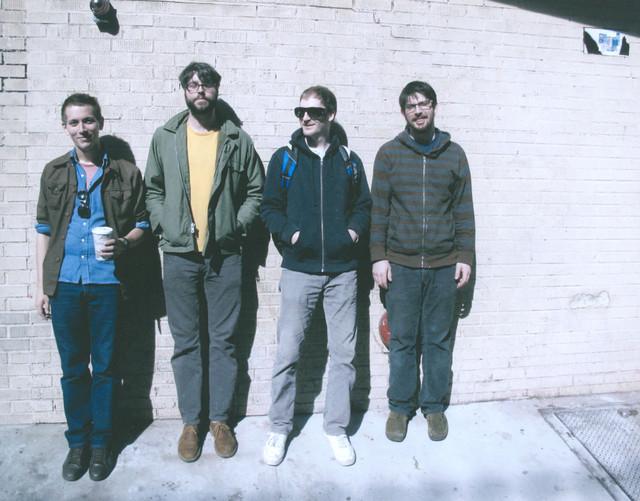
Sore Eros’ Spotify BioThe trippy, lo-fi pop of Sore Eros is the brainchild of musician Robert Robinson, collaborator of the likes of Ariel Pink and Panda Bear. Often functioning as a band, the project's first of several CD-R releases appeared in 2003, with an official full-length debut, Second Chants, arriving in 2009. Recordings over the next decade saw an increase in recording quality without losing their basement-concocted vibe, culminating in the 2020 album Sore Eros, which featured production by the War on Drugs' Adam Granduciel.
Prior to playing with Ariel Pink's Haunted Graffiti, Gary War, Kurt Vile, and Panda Bear, Robert Robinson made experimental music on his own in Enfield, Connecticut. Bearing resemblance to a psychedelic cassette played on a broken boom box, his first self-titled Sore Eros CD-R was released on his independent label Light Dead Sea in 2003. Over the next few years, Robinson traveled around the country and collaborated with fellow lo-fi musicians before moving back to Connecticut… in 2007 to assist his father, who had recently suffered a heart attack. In his downtime, as his dad made a full recovery, Robinson recorded Second Chants as a tribute to his father's second chance at life. The first collaborative effort with bandmate Adam Langellotti, the album was released in 2009 on Shdwply Records.
Sore Eros had a prolific release schedule over the next several years, issuing limited-run, small-scale albums as well as efforts like Know Touching (Shdwply/Agitated) in 2010, Just Fuzz (Blackburn Recordings) in 2011, and Jamaica Plain (Care in the Community), a 10" vinyl-only collaboration with Kurt Vile, in 2013. The full-length Say People appeared on Feeding Tube Records in 2015. That year, Robinson also released the 13-track Connecticut River under his own name on Feeding Tube. Its guests included, among others, Gary War, John Moloney, and Dan Oxenberg.
Five years in the making, 2020's Sore Eros was still dreamy and exploratory but more coherent than its predecessor. It featured the lineup of Robinson, Langellotti, Jeff Moreski, and Matt Jugenheimer, with additional performances by Vile and Oxenberg. Sore Eros was produced, engineered, and mixed by Adam Granduciel, who also played on the album. ~ Jason Lymangrover & Marcy Donelson, Rovi
Viberate is a music analytics platform built for A&Rs, artist managers, labels, booking agents, marketers, and artists.
It helps music professionals track artist growth, analyze audience data, monitor playlist activity, compare artists, follow song performance, and identify opportunities across the music market.
Public artist pages provide a free preview of selected artist data. Paid plans provide access to deeper analytics, historical data, charts, comparisons, playlist tools, exports, alerts, reports, and additional professional features.
Yes. Public Viberate artist pages provide selected artist analytics and music data for free.
Viberate also offers a 7-day free trial of the full platform. A credit card is required to start the trial. The trial includes access to the complete product so users can test deeper artist analytics, historical views, playlist insights, comparisons, charts, exports, alerts, and reporting features before choosing a paid plan.
Viberate provides artist analytics across streaming, playlists, social media, video, radio airplay, songs, and audience markets.
Users can analyze Spotify performance, Spotify and Apple Music playlists, YouTube activity, TikTok and Instagram growth, radio spins, song performance, audience locations, demographics, rankings, and overall artist momentum.
Artist profiles also connect to music charts, similar artists, and comparison tools, helping users benchmark performance and evaluate artists in context.
Viberate updates key artist and track data daily.
For followed artists and tracks, selected data is refreshed multiple times per day. This helps teams monitor playlist changes, streaming movement, audience growth, releases, and campaign performance with more current data.
Update frequency can vary depending on the metric and data source.
Yes. Viberate lets users compare up to five artists side by side across streaming, social media, audience, and engagement metrics.
Users can compare fanbase growth, audience demographics, locations, Spotify performance, social metrics, and other artist data over selected time periods.
Artist comparison can be used for A&R scouting, benchmarking, booking decisions, campaign planning, and evaluating artists with similar audiences or market positions.