Sonor Teutonicus

Rock
Folk Rock
Other European Music
 Viberate Rank: 521771
 Viberate Rank: 521771
 Monthly ListenersFollowers
 Subscribers
 Followers
 Followers
 FansTop Spotify Songs
| Track | 7-Day Streams | |
|---|---|---|
1 | 5 | |
2 | 5 | |
3 | 3 | |
4 | 2 | |
5 | 1 |
Top YouTube VideosMonthly ListenersFeatured in PlaylistsAudience| City | Monthly Listeners | |
|---|---|---|
1 | | 5 |
See full performance history, audience data, playlist activity, rankings, comparisons, and more in Viberate music analytics. Start with a free trial, then continue with a paid plan.
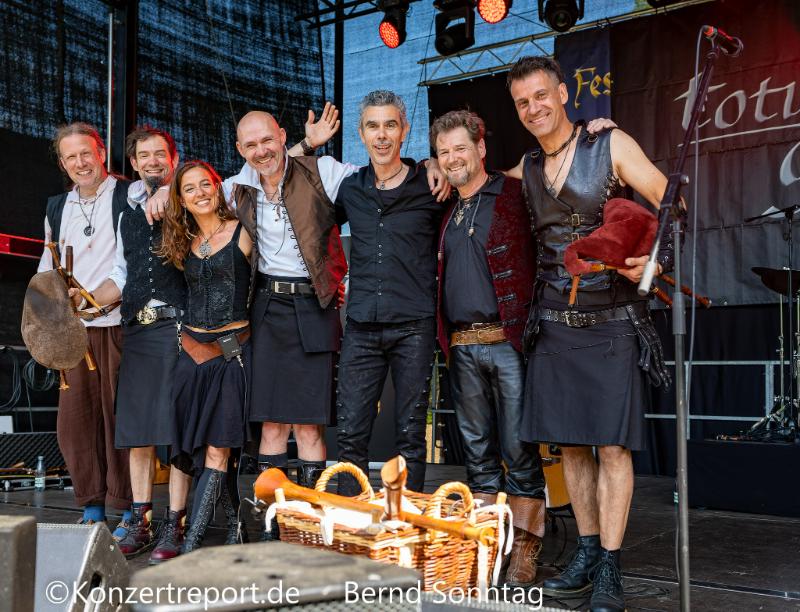
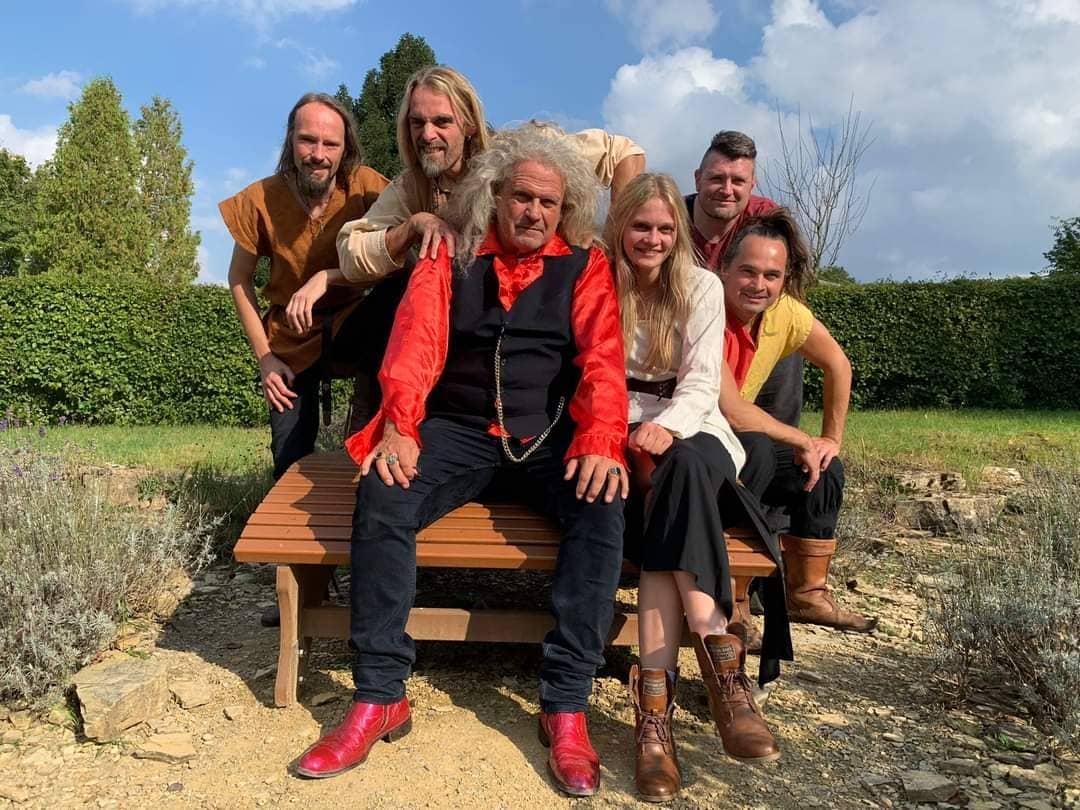
Sonor Teutonicus’ Spotify BioSonor Teutonicus besteht aus den Geschwistern Christian Dreier (Rauschpfeife, Sackpfeife, Flöte), der die Band mit selbstgebauten Instrumenten versorgt, Katharina Dreier (Nyckelharpa, Schlüsselbass, Gesang) und Martin Dreier (Gitarrencister und Gesang). Letzterer bildet mit Sebastian Beermann (Geige, Soprancister, Rauschpfeife, Gesang) den kreativen Kopf der Band. Schlagzeuger Klaus Grunwald ist am Drumset ebenso zu Hause wie an der Davul.
Seit 2005 ziehen die fünf aus dem Kreis Osnabrück in Niedersachsen (D) stammenden Spielleute durch die Lande und haben, angefangen als kleiner „Walking Act“ auf Straßenfesten und Banketten, seitdem mehr und mehr größere Bühnen von Mittelaltermärkten und Festivals erobert.
Auf nun schon fünf Veröffentlichungen werden Stücke aus traditionellen Liedersammlungen wie den „Carmina Burana“ oder von Minnesängern wie Neidhart von Reuental neu interpretiert und bearbeitet, neuzeitliche Lyrik von Lessing, Herder oder Goethe wird vertont, aber auch Lieder in alten… europäischen Sprachen wie Latein und Mittelhochdeutsch sind zu hören und erweitern das abwechslungsreiche Repertoire. In den letzten Jahren liegt der musikalische Fokus vermehrt auf dem Schreiben eigener Songs. Unter der Stilbezeichnung „Akustischer Mittelalter-Folk-Rock“ verpasst die Band ihrer altertümlichen Musik einen modernen Anstrich und streift dabei durchaus Genres härterer Gangart. Ihr neues Album „Morgenrot“ (Timezone-Records)“ spiegelt all diese Einflüsse und Stilelemente wider.
Viberate is a music analytics platform built for A&Rs, artist managers, labels, booking agents, marketers, and artists.
It helps music professionals track artist growth, analyze audience data, monitor playlist activity, compare artists, follow song performance, and identify opportunities across the music market.
Public artist pages provide a free preview of selected artist data. Paid plans provide access to deeper analytics, historical data, charts, comparisons, playlist tools, exports, alerts, reports, and additional professional features.
Yes. Public Viberate artist pages provide selected artist analytics and music data for free.
Viberate also offers a 7-day free trial of the full platform. A credit card is required to start the trial. The trial includes access to the complete product so users can test deeper artist analytics, historical views, playlist insights, comparisons, charts, exports, alerts, and reporting features before choosing a paid plan.
Viberate provides artist analytics across streaming, playlists, social media, video, radio airplay, songs, and audience markets.
Users can analyze Spotify performance, Spotify and Apple Music playlists, YouTube activity, TikTok and Instagram growth, radio spins, song performance, audience locations, demographics, rankings, and overall artist momentum.
Artist profiles also connect to music charts, similar artists, and comparison tools, helping users benchmark performance and evaluate artists in context.
Viberate updates key artist and track data daily.
For followed artists and tracks, selected data is refreshed multiple times per day. This helps teams monitor playlist changes, streaming movement, audience growth, releases, and campaign performance with more current data.
Update frequency can vary depending on the metric and data source.
Yes. Viberate lets users compare up to five artists side by side across streaming, social media, audience, and engagement metrics.
Users can compare fanbase growth, audience demographics, locations, Spotify performance, social metrics, and other artist data over selected time periods.
Artist comparison can be used for A&R scouting, benchmarking, booking decisions, campaign planning, and evaluating artists with similar audiences or market positions.