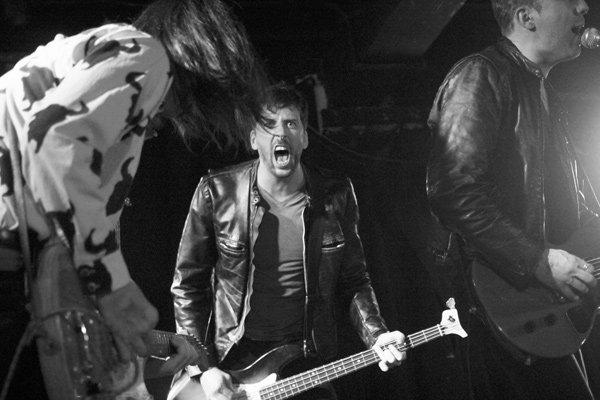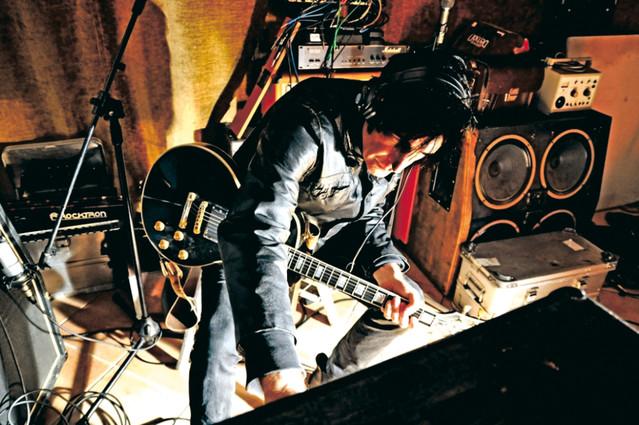
Sonny Vincent

Punk
Punk Rock
Garage Rock
 Viberate Rank: 329193
 Viberate Rank: 329193
 Monthly ListenersFollowers
 Subscribers
 Followers
 Followers
 FansTop Spotify Songs
| Track | 7-Day Streams | |
|---|---|---|
1 | 135 | |
2 | 117 | |
3 | 109 | |
4 | 71 | |
5 | 69 |
Top YouTube VideosMonthly ListenersFeatured in Playlists| Playlist | Followers | |
|---|---|---|
1 |  70s Proto-Metal, Heavy Psych & Obscure Hard Rock Jordan Edrei | 11.27K |
2 |  El Sótano de Radio 3 Groovyfamily | 9.84K |
3 |  WFMU's Heavily Played Records - 2020s Edition WFMU | 1.93K |
4 |  70s Proto-Doom | Metal | Stoner Riffs (favorites) Jordan Edrei | 1.71K |
5 |  The Sound of Garage Punk The Sounds of Spotify | 1.39K |
Audience| City | Monthly Listeners | |
|---|---|---|
1 |  | 33 |
2 | | 21 |
3 |  | 21 |
4 | | 20 |
5 | | 16 |
See full performance history, audience data, playlist activity, rankings, comparisons, and more in Viberate music analytics. Start with a free trial, then continue with a paid plan.
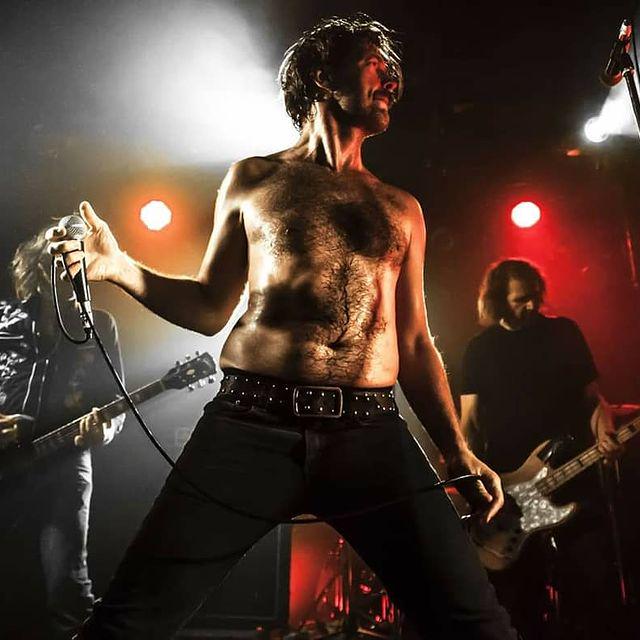
Sonny Vincent’s Spotify BioNative New Yorker and lifelong rocker Sonny Vincent is a testament to the spirit of music. Living illegally at age 13 in a girls' dormitory, playing guitar and singing by age 14, and in and out of reform schools not soon after, Vincent rocked harder before he was 18 than most people do in a lifetime.
Sonny Vincent founded the Testors in 1976, a group that served as an incubator for his burgeoning talent. A two-guitar outfit featuring a drummer without cymbals, the trio made up for their lack of seasoning with a surplus of attitude. Eventually, they added a bass player, wrote songs with three chords, and embarked on an American tour with punk stalwarts the Dead Boys. In 1980, after an intense period of performing and violence -- often at the same time -- Vincent was committed to New York State's Windale mental hospital. But soon he was back in the Big Apple, dabbling in filmmaking and multimedia art. Vincent left the city in 1981 and relocated to Minneapolis, where he promptly started a… band. Sonny Vincent & the Extreme released a few singles and did some touring; they also suspended action for a few months so their fearless leader could serve an eight-month term in the gray bar hotel.
By 1985, Vincent was active again in filmmaking and visual art. His film Mannequin World debuted on the art house/museum circuit. A few years later, Vincent formed Model Prisoner with infamous ex-Replacement Bob Stinson; the hard-living band fizzled after just one album on Twin/Tone. But Vincent was undaunted. He formed Shotgun Rationale, which over the next six years would involve collaborations and/or tours with Moe Tucker, ex-Dead Boy Cheetah Chrome, Bob Stinson, and Half Japanese. The band released two albums and an EP with a rotating lineup; Vincent even found time to contribute to Tucker's I Spent a Week There the Other Night and release a solo album called Recordings 1979-91.
The year 1993 saw the release of the Shotgun Rationale's Roller Coaster as well as the beginning of a band called the Dons, formed in Holland by Vincent and two Dutch musicians. The Dons would go on to release two albums, 1995's Naked and 1997's Good Dogs Die Young, which was actually a Sonny Vincent solo album, since he had originally recorded the majority of the material in the late '70s and early '80s. Vincent's next project was the Rat Race Choir, which featured members of the Damned, Dead Boys, and Stooges. A Rat Race Choir single from 1997's Pure Filth also featured three songs Vincent had originally recorded with Stinson as Model Prisoner. Tours followed, mostly in Europe.
Moving on to more solo work, Vincent recorded Hard in Detroit with German musicians, with Wayne Kramer contributing guitar and backing vocals. The album and its companion, Parallax in Wonderland, were well received by Vincent's thriving European fan base, and touring followed to support the releases. A series of 10"s for various labels filled up 2000; Vincent's Hell's Kitchen LP was released the following year. One of the 10"s, Original Punk Rock Recordings, New York, 1976-77, Pt. 2 (Incognito, Germany), featured the original Testors lineup. Released at the turn of the century, the record brought Vincent's accomplishment of rocking hard for 20-plus years into greater focus. Never a household name himself (depending on your household), Vincent had managed to work and tour with some of the greatest and most infamous names in America's rock & roll underground during the latter 20th century. It was time for a little bit of long-overdue credit.
In February of 2003, Acetate released The Good, the Bad and the Ugly. Vincent's tunes were backed up by a revolving door of guitarists. Contemporaries like his old friend Wayne Kramer and Television's Richard Hell were joined by artists of the next generation, those influenced by Vincent and the Testors. Sonic Youth's Thurston Moore and Jim O'Rourke, the Offspring's Dexter Holland, and Street Walking Cheetahs' Frank Meyer all appeared on the record. A tour with California's Rocket from the Crypt was planned for summer 2003, with the group serving as Vincent's backing band as well as opening the show with their own material. The collaboration between Vincent and RFTC went well enough that they joined forces to make an album; a fire at the recording studio put the project on hold for years, but in 2015 the album finally emerged under the title Vintage Piss. Through the 2000s, Vincent continued to tour in Europe and the United States with a variety of groups, and in 2015 he announced he was releasing a new studio album, Spiteful, with his group Spite, featuring Rat Scabies of the Damned, Steve MacKay of the Stooges, and Glen Matlock of the Sex Pistols. ~ Johnny Loftus, Rovi
Viberate is a music analytics platform built for A&Rs, artist managers, labels, booking agents, marketers, and artists.
It helps music professionals track artist growth, analyze audience data, monitor playlist activity, compare artists, follow song performance, and identify opportunities across the music market.
Public artist pages provide a free preview of selected artist data. Paid plans provide access to deeper analytics, historical data, charts, comparisons, playlist tools, exports, alerts, reports, and additional professional features.
Yes. Public Viberate artist pages provide selected artist analytics and music data for free.
Viberate also offers a 7-day free trial of the full platform. A credit card is required to start the trial. The trial includes access to the complete product so users can test deeper artist analytics, historical views, playlist insights, comparisons, charts, exports, alerts, and reporting features before choosing a paid plan.
Viberate provides artist analytics across streaming, playlists, social media, video, radio airplay, songs, and audience markets.
Users can analyze Spotify performance, Spotify and Apple Music playlists, YouTube activity, TikTok and Instagram growth, radio spins, song performance, audience locations, demographics, rankings, and overall artist momentum.
Artist profiles also connect to music charts, similar artists, and comparison tools, helping users benchmark performance and evaluate artists in context.
Viberate updates key artist and track data daily.
For followed artists and tracks, selected data is refreshed multiple times per day. This helps teams monitor playlist changes, streaming movement, audience growth, releases, and campaign performance with more current data.
Update frequency can vary depending on the metric and data source.
Yes. Viberate lets users compare up to five artists side by side across streaming, social media, audience, and engagement metrics.
Users can compare fanbase growth, audience demographics, locations, Spotify performance, social metrics, and other artist data over selected time periods.
Artist comparison can be used for A&R scouting, benchmarking, booking decisions, campaign planning, and evaluating artists with similar audiences or market positions.