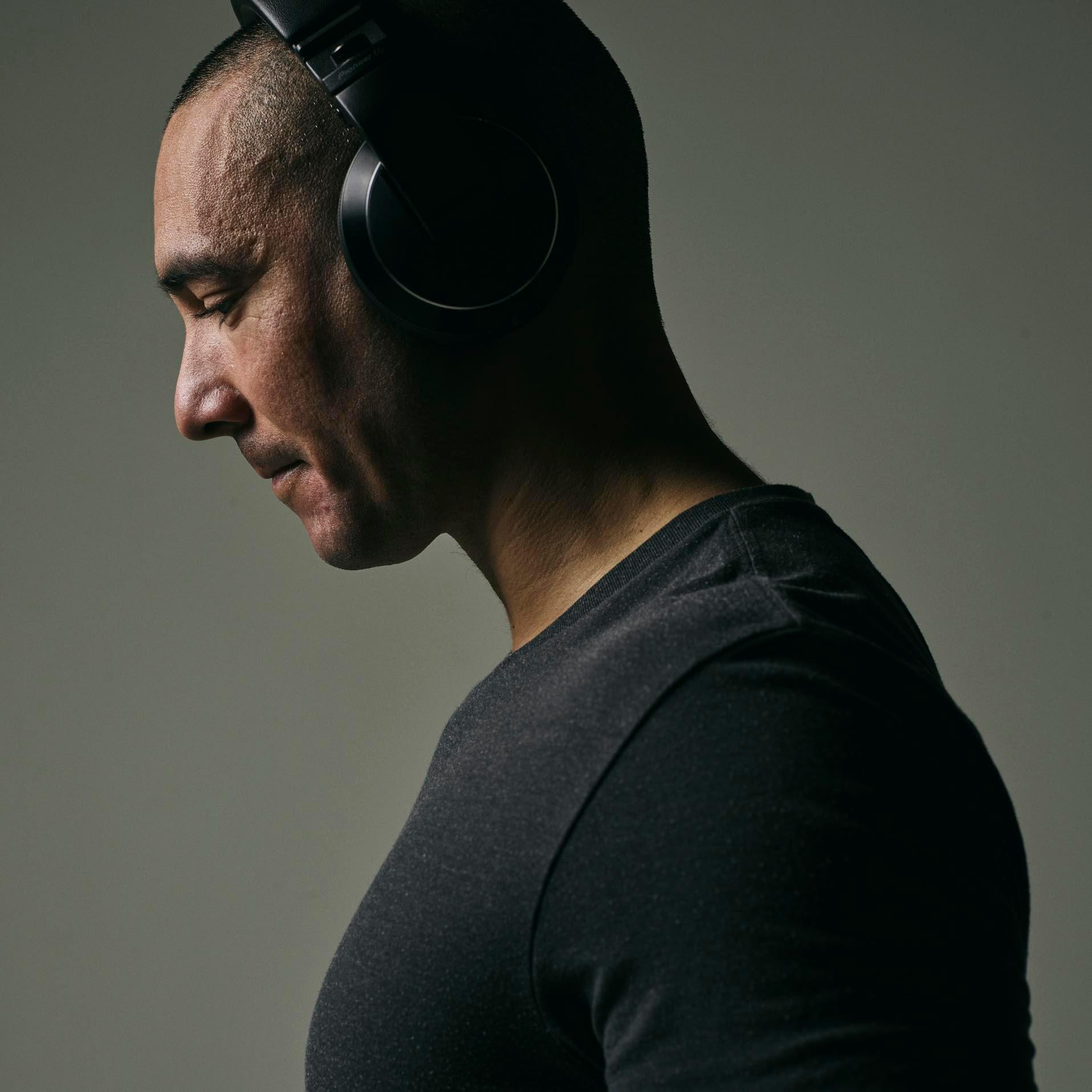
Sonny Bass

Electronic
Dance
House
 Viberate Rank: 200106
 Viberate Rank: 200106
 Monthly ListenersFollowers
 Subscribers
 Followers
 Followers
 FansTop Spotify Songs
| Track | 7-Day Streams | |
|---|---|---|
1 | 4.73K | |
2 | 3.97K | |
3 | 1.11K | |
4 | 803 | |
5 | 665 |
Top YouTube VideosMonthly ListenersFeatured in Playlists| Playlist | Followers | |
|---|---|---|
1 |  Electro House 2026 Future House Music | 49.94K |
2 |  Best DJ Set Party Mix 2027 Benjamin Vidas | 46.41K |
3 |  Psyco proyect Sire Martinez | 40.70K |
4 |  Mainstage Madness 2026 Ken Bauer | 40.10K |
5 |  Academia 2023 | Música para Academia, Treino, Gimnasio, Motivación Workout Beast | 36.72K |
Audience| City | Monthly Listeners | |
|---|---|---|
1 |  | 812 |
2 | | 656 |
3 | | 627 |
4 |  | 484 |
5 | | 426 |
See full performance history, audience data, playlist activity, rankings, comparisons, and more in Viberate music analytics. Start with a free trial, then continue with a paid plan.
Sonny Bass’ Spotify BioInspired by many different genres, this Producer/DJ certainly stands out from the crowd. Over the years his style has developed into pop flavored tunes and catchy melodies combined with a wide range of musical influences.
Sonny started making hiphop music at age 17. After a couple of years he wanted to expand his horizon and got into EDM. By posting his music on his Soundcloud channel, he got noticed by Future House Music and House Nation, with whom he did his first few releases: Future Sax, Africa and Fairytales (to name a few). These releases were the foundation of his daily growing worldwide fanbase.
He first started getting the attention of Spinnin’ with his remix for multi-platinum artist Wizkid ‘Like This’. This remix opened a lot of doors which led to a new remix for AFROJACK & FÄIS ‘Used to Have it All’. This remix was widely appreciated and even used for Fais’ numerous live performances.
In 2018 Sonny’s remix for Lost Frequencies - Crazy on Armada Music has received loads of sup-… port. Furthermore it has been played by Lost Frequencies on the Tomorrowland Mainstage in 2018 and used in many of his after-movies.
With more remixes for no other than: Borgeous, Zack Martino, NOTD on big labels like Spinnin’, Armada Music, Wall Recordings and Future house Music and massive support from dj’s such as Tiësto, Don Diablo and Oliver Heldens, Sonny Bass is working his way to the top!
Viberate is a music analytics platform built for A&Rs, artist managers, labels, booking agents, marketers, and artists.
It helps music professionals track artist growth, analyze audience data, monitor playlist activity, compare artists, follow song performance, and identify opportunities across the music market.
Public artist pages provide a free preview of selected artist data. Paid plans provide access to deeper analytics, historical data, charts, comparisons, playlist tools, exports, alerts, reports, and additional professional features.
Yes. Public Viberate artist pages provide selected artist analytics and music data for free.
Viberate also offers a 7-day free trial of the full platform. A credit card is required to start the trial. The trial includes access to the complete product so users can test deeper artist analytics, historical views, playlist insights, comparisons, charts, exports, alerts, and reporting features before choosing a paid plan.
Viberate provides artist analytics across streaming, playlists, social media, video, radio airplay, songs, and audience markets.
Users can analyze Spotify performance, Spotify and Apple Music playlists, YouTube activity, TikTok and Instagram growth, radio spins, song performance, audience locations, demographics, rankings, and overall artist momentum.
Artist profiles also connect to music charts, similar artists, and comparison tools, helping users benchmark performance and evaluate artists in context.
Viberate updates key artist and track data daily.
For followed artists and tracks, selected data is refreshed multiple times per day. This helps teams monitor playlist changes, streaming movement, audience growth, releases, and campaign performance with more current data.
Update frequency can vary depending on the metric and data source.
Yes. Viberate lets users compare up to five artists side by side across streaming, social media, audience, and engagement metrics.
Users can compare fanbase growth, audience demographics, locations, Spotify performance, social metrics, and other artist data over selected time periods.
Artist comparison can be used for A&R scouting, benchmarking, booking decisions, campaign planning, and evaluating artists with similar audiences or market positions.