Songhoy Blues

Blues
Blues Rock
Classic Blues
Funk
 Viberate Rank: 88845
 Viberate Rank: 88845
 Monthly ListenersFollowers
 Subscribers
 Followers
 Followers
 FansTop Spotify Songs
| Track | 7-Day Streams | |
|---|---|---|
1 | 8.13K | |
2 | 5.40K | |
3 | 2.18K | |
4 | 2.10K | |
5 | 1.14K |
Top YouTube VideosMonthly ListenersFeatured in Playlists| Playlist | Followers | |
|---|---|---|
1 |  Sahara Spotify | 480.77K |
2 |  Afro Psychedelica Spotify | 374.77K |
3 |  Café Africa Spotify | 254.55K |
4 |  Outer Banks Official Playlist Spotify | 250.06K |
5 |  Folk Fabrique Spotify | 230.06K |
Audience| City | Monthly Listeners | |
|---|---|---|
1 |  | 1.89K |
2 |  | 740 |
3 |  | 707 |
4 | | 676 |
5 |  | 648 |
See full performance history, audience data, playlist activity, rankings, comparisons, and more in Viberate music analytics. Start with a free trial, then continue with a paid plan.
Songhoy Blues’ Spotify BioHéritage, the much-awaited new album by Songhoy Blues (out 17th January 2025 via Transgressive Records), sees one of Mali’s most lauded groups move into a more acoustic & creative re-imagining of the “desert blues” style that has brought them global acclaim; it represents a marked contrast to the heavier sound of their prior album, and deeper exploration of their musical roots.
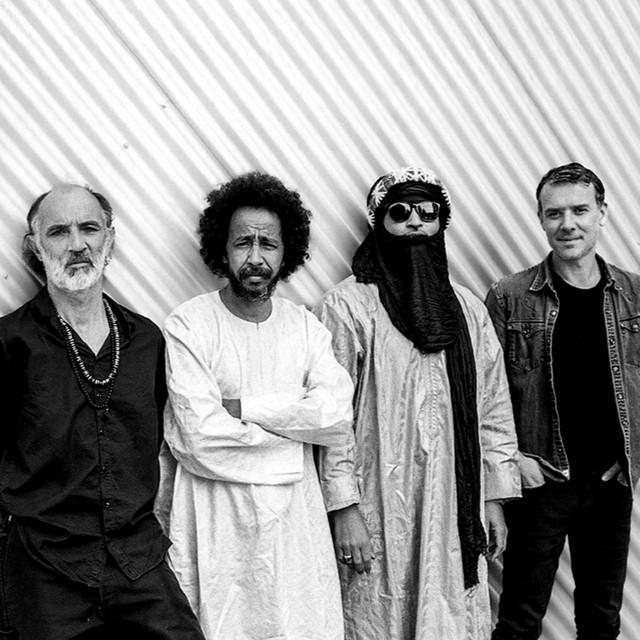
Charismatic, articulate and creative, the band burst onto the scene in 2013 with a powerful style and stage manner once described as “Timbuktu Punk”. Their music deals with issues of life and love in Mali, typically through the filter of five-note scales, rock rhythms, gritty vocals, and glittering guitar. While these elements remain present in their new album Héritage, they share the stage with more prominent & intimate grooves, sounds, instrumentation & vocal stylings from different ethnic traditions from around the country.
The Songhoy are an ethnicity living along the bend of the Niger river in northern Mali… (their language is Songhai, hence the two spellings that are often used interchangeably) and Songhoy music is one of the backbones of the “desert blues” sound. With Héritage, Songhoy Blues pay tribute to some of the great musicians of the past, whose work continues to inspire them, giving "a big thank you to the ancestors who bequeathed works of art so that future generations could orient themselves".
Viberate is a music analytics platform built for A&Rs, artist managers, labels, booking agents, marketers, and artists.
It helps music professionals track artist growth, analyze audience data, monitor playlist activity, compare artists, follow song performance, and identify opportunities across the music market.
Public artist pages provide a free preview of selected artist data. Paid plans provide access to deeper analytics, historical data, charts, comparisons, playlist tools, exports, alerts, reports, and additional professional features.
Yes. Public Viberate artist pages provide selected artist analytics and music data for free.
Viberate also offers a 7-day free trial of the full platform. A credit card is required to start the trial. The trial includes access to the complete product so users can test deeper artist analytics, historical views, playlist insights, comparisons, charts, exports, alerts, and reporting features before choosing a paid plan.
Viberate provides artist analytics across streaming, playlists, social media, video, radio airplay, songs, and audience markets.
Users can analyze Spotify performance, Spotify and Apple Music playlists, YouTube activity, TikTok and Instagram growth, radio spins, song performance, audience locations, demographics, rankings, and overall artist momentum.
Artist profiles also connect to music charts, similar artists, and comparison tools, helping users benchmark performance and evaluate artists in context.
Viberate updates key artist and track data daily.
For followed artists and tracks, selected data is refreshed multiple times per day. This helps teams monitor playlist changes, streaming movement, audience growth, releases, and campaign performance with more current data.
Update frequency can vary depending on the metric and data source.
Yes. Viberate lets users compare up to five artists side by side across streaming, social media, audience, and engagement metrics.
Users can compare fanbase growth, audience demographics, locations, Spotify performance, social metrics, and other artist data over selected time periods.
Artist comparison can be used for A&R scouting, benchmarking, booking decisions, campaign planning, and evaluating artists with similar audiences or market positions.