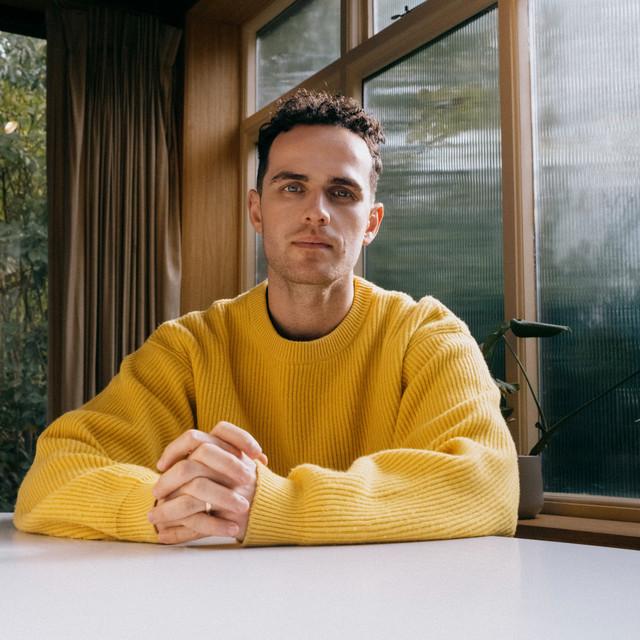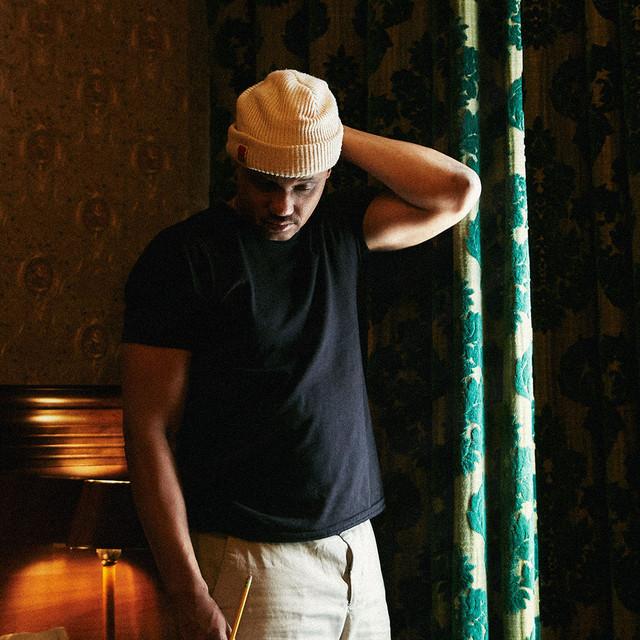
Son Little

R&B
Contemporary R&B
Retro Soul
 Viberate Rank: 32482
 Viberate Rank: 32482
 Monthly ListenersFollowers
 Subscribers
 Followers
 Followers
 FansTop Spotify Songs
| Track | 7-Day Streams | |
|---|---|---|
1 | 193.42K | |
2 | 74.23K | |
3 | 67.75K | |
4 | 55.20K | |
5 | 54.21K |
Top YouTube VideosMonthly ListenersFeatured in Playlists| Playlist | Followers | |
|---|---|---|
1 |  Blues Roots Spotify | 1.07M |
2 |  Soulful Day Spotify | 1.01M |
3 |  Morning Commute Spotify | 931.98K |
4 |  Stay in Bed Spotify | 741.53K |
5 |  Sweet Soul Sunday Spotify | 727.86K |
Audience| City | Monthly Listeners | |
|---|---|---|
1 |  | 21.90K |
2 |  | 16.19K |
3 |  | 14.92K |
4 | | 13.37K |
5 |  | 10.60K |
See full performance history, audience data, playlist activity, rankings, comparisons, and more in Viberate music analytics. Start with a free trial, then continue with a paid plan.
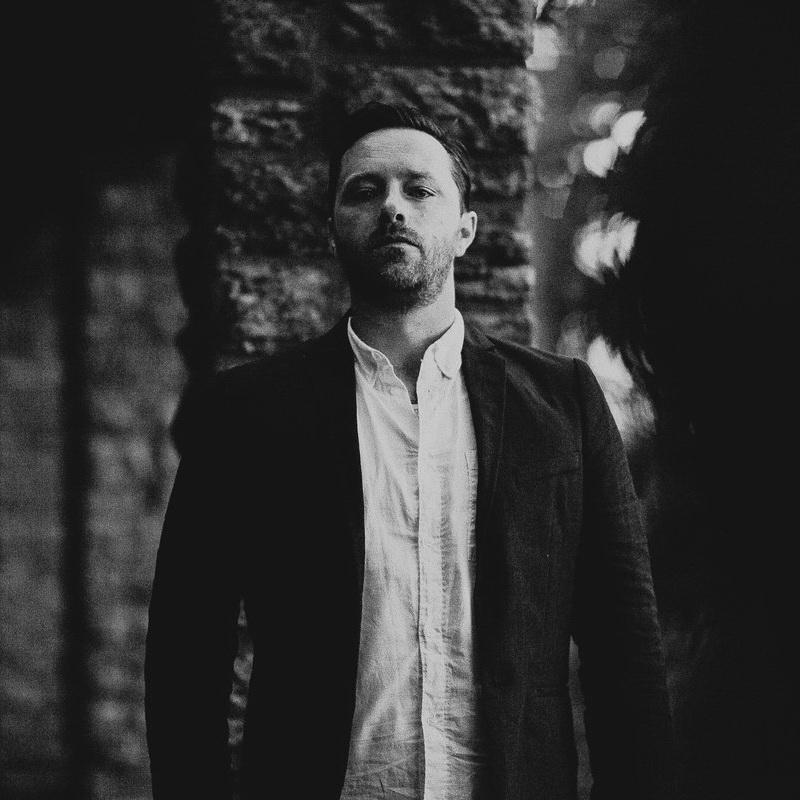
Son Little’s Spotify BioBlending elements of acoustic blues, vintage soul, and conscious hip-hop into a mixture that's expressive yet deeply personal, Son Little is the alias of Aaron Livingston, a singer, instrumentalist, and songwriter who divides his time between his own music and collaborations with others. On his first album, 2015's Son Little, the music was a challenging mixture of soul and R&B grooves with a classic bent filtered through a production that mixed the elements like a hip-hop producer would assemble a beat. 2017's New Magic was recorded after Livingston toured the debut album with a live band, giving the material a more natural and organic sound. 2020's Aloha represented a middle ground, with Little playing nearly all the instruments with an aim toward a naturalistic approach, while 2022's Like Neptune was an introspective project created as the musician was coming to terms with trauma from his past.
Aaron Livingston was born in Los Angeles, California, where his mother was an educator and… his father was a man of the cloth. He was still a child when his family moved to Queens, New York, and he became fascinated with the flavors of urban life. After graduating from high school, Livingston studied ,at Columbia University, but dropped out and worked day jobs for a while before relocating to Philadelphia and enrolling at Temple University. While in Philadelphia, he struck up a friendship with members of the Roots, and he guested on their 2011 album Undun; that same year, Livingston collaborated with alternative hip-hop artist Rjd2 in a project they called Icebird, releasing the full-length The Abandoned Lullaby. He soon began recording and releasing digital albums, beginning with Aaron Livingston's Greatest Hits, Vol. -1, but in 2013 he began making music under the name Son Little.
In 2014, Little signed with Anti Records, and in November of that year he dropped a six-song EP entitled Things I Forgot. In April 2015, he produced an EP for legendary gospel and soul singer Mavis Staples, Your Good Fortune; one track from the EP, an interpretation of "See That My Grave Is Kept Clean," won a Grammy Award for Best Roots Performance. October 2015 saw the release of his first solo album, simply titled Son Little. Little toured in support of it, headlining club dates and opening for acts as diverse as Mumford & Sons, Shakey Graves, and Kelis. In 2017, he released New Magic, a more organic-sounding set that was largely written on the road and inspired by the experience of performing his songs with a live band on tour. The third Son Little album, 2020's Aloha, found the artist taking on new challenges. Livingston's original songwriting demos for the album were lost when a hard drive burned out, forcing him to rewrite the songs a few weeks before sessions began. It was also his first time recording with an outside producer, Renaud Letang.
As Livingston began writing material for his next album in a cottage in Upstate New York, he began sorting through a box of old notebooks, with some of the writing going back to when he was 9 years old. As he re-read his childhood journals, he found himself struggling with reminders of unresolved trauma, including an episode of sexual abuse. As Livingston dedicated himself to therapy to heal his emotional scars, he investigated a number of options, including Eye Movement Desensitization and Reprocessing (EMDR), somatic healing, and psychedelic microdosing. His journey informed his songwriting process, and as he wrote lyrics and mapped out ideas, he used rhythm programming and recordings apps in his tablet computer to lay down his initial tracks, later going into the studio to add additional instrumentation and mix down the tracks. Like Neptune was released in September 2022, and its release was followed by an international concert tour. ~ Mark Deming, Rovi
Viberate is a music analytics platform built for A&Rs, artist managers, labels, booking agents, marketers, and artists.
It helps music professionals track artist growth, analyze audience data, monitor playlist activity, compare artists, follow song performance, and identify opportunities across the music market.
Public artist pages provide a free preview of selected artist data. Paid plans provide access to deeper analytics, historical data, charts, comparisons, playlist tools, exports, alerts, reports, and additional professional features.
Yes. Public Viberate artist pages provide selected artist analytics and music data for free.
Viberate also offers a 7-day free trial of the full platform. A credit card is required to start the trial. The trial includes access to the complete product so users can test deeper artist analytics, historical views, playlist insights, comparisons, charts, exports, alerts, and reporting features before choosing a paid plan.
Viberate provides artist analytics across streaming, playlists, social media, video, radio airplay, songs, and audience markets.
Users can analyze Spotify performance, Spotify and Apple Music playlists, YouTube activity, TikTok and Instagram growth, radio spins, song performance, audience locations, demographics, rankings, and overall artist momentum.
Artist profiles also connect to music charts, similar artists, and comparison tools, helping users benchmark performance and evaluate artists in context.
Viberate updates key artist and track data daily.
For followed artists and tracks, selected data is refreshed multiple times per day. This helps teams monitor playlist changes, streaming movement, audience growth, releases, and campaign performance with more current data.
Update frequency can vary depending on the metric and data source.
Yes. Viberate lets users compare up to five artists side by side across streaming, social media, audience, and engagement metrics.
Users can compare fanbase growth, audience demographics, locations, Spotify performance, social metrics, and other artist data over selected time periods.
Artist comparison can be used for A&R scouting, benchmarking, booking decisions, campaign planning, and evaluating artists with similar audiences or market positions.