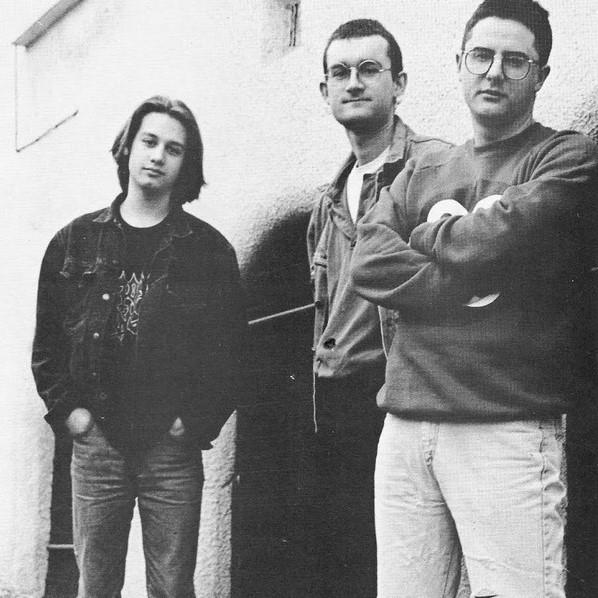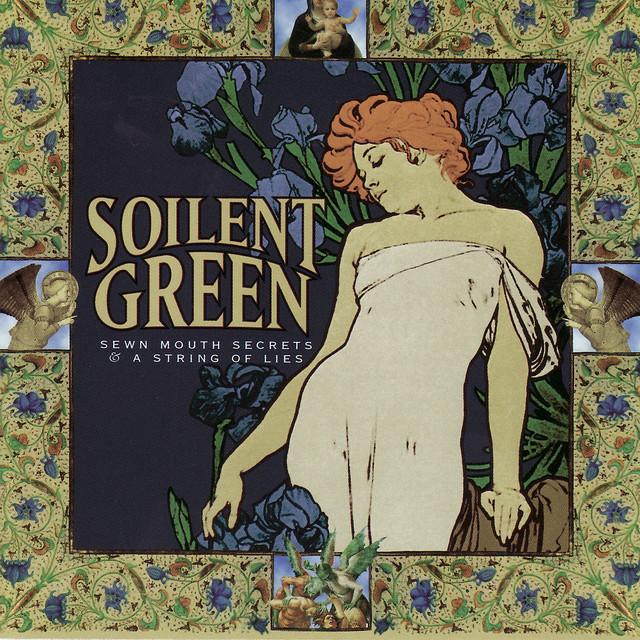
Soilent Green

Metal
Grindcore
Doom/Sludge Metal
 Viberate Rank: 132482
 Viberate Rank: 132482
 Monthly ListenersFollowers
 Subscribers
 Followers
 Followers
 FansTop Spotify Songs
| Track | 7-Day Streams | |
|---|---|---|
1 | 5.84K | |
2 | 4.43K | |
3 | 2.29K | |
4 | 2.17K | |
5 | 1.45K |
Top YouTube VideosMonthly ListenersFeatured in Playlists| Playlist | Followers | |
|---|---|---|
1 |  Ultimate Sludge Metal Loudwire | 30.11K |
2 |  Sludge Metal sam | 22.61K |
3 |  DOOM / SLUDGE / STONER cheznik | 7.77K |
4 |  The Sound of Sludge Metal The Sounds of Spotify | 7.44K |
5 |  The Sound of Grindcore The Sounds of Spotify | 5.22K |
Audience| City | Monthly Listeners | |
|---|---|---|
1 | | 396 |
2 | | 395 |
3 | | 343 |
4 | | 312 |
5 | | 254 |
See full performance history, audience data, playlist activity, rankings, comparisons, and more in Viberate music analytics. Start with a free trial, then continue with a paid plan.
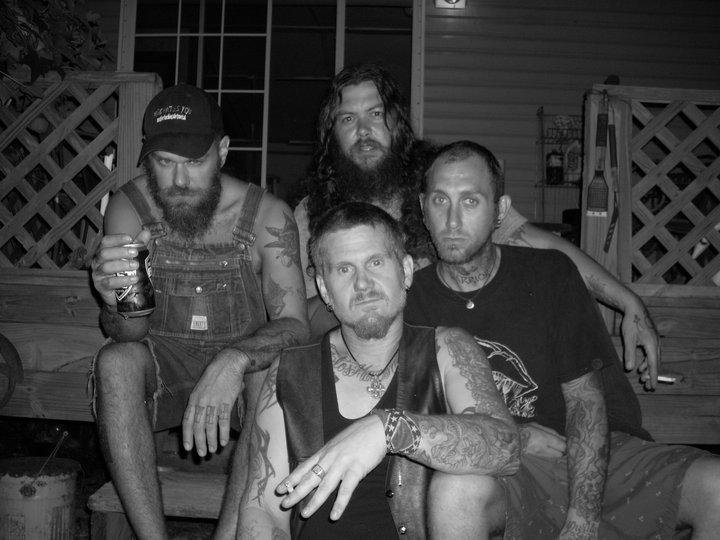
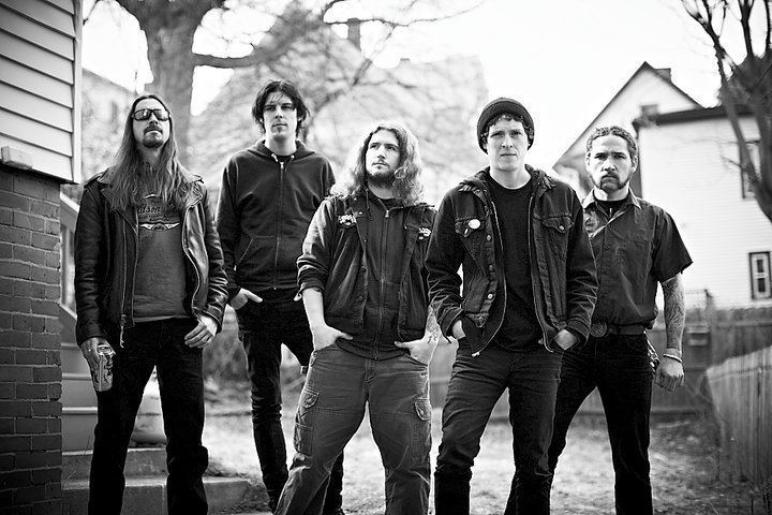
Soilent Green’s Spotify BioBlending elements of grindcore, death metal, black metal, hardcore, and bluesy, groove-oriented Southern rock, Louisiana quintet Soilent Green has grown into one of the most distinctive bands in the U.S. metal underground. Along with contemporaries such as Eyehategod, Crowbar, and Acid Bath, they have helped put their home state on the metal map, meanwhile giving it a reputation for spawning exceptionally sludgy and pain-ridden bands. Soilent Green certainly lives up to these adjectives, but they share qualities with a variety of other bands -- from complex, anger-fueled hardcore groups such as Coalesce and Dillinger Escape Plan to sheer grindcore powerhouses Brutal Truth and Napalm Death and, less obviously, musical channel surfers Mr. Bungle and Naked City. The band originally formed in 1988 around a lineup that included guitarists Brian Patton and Donovan Punch and drummer Tommy Buckley, but it took several years for their lineup to solidify. (To further complicate matters, Patton… took a gig with Eyehategod in the early '90s, a commitment that has played a part in slowing Soilent Green's output over the years.) At any rate, bassist Scott Williams joined in 1992, while vocalist Louis Benjamin Falgoust II came onboard a year later. This lineup released their first album, Pussysoul, for Dwell Records in 1995. Subsequent tours found them on the road with Pantera, Extreme Noise Terror, and A.C.
With their next release, they made the jump to Relapse Records, releasing the mini-CD A String of Lies in 1998. Their second full-length, Sewn Mouth Secrets, followed on Relapse that same year and, even more than the CD A String of Lies, marked a mature step forward for the band, with Falgoust's vocals in particular sounding much more convincing in their delivery. It was around this time that the band was mentioned as being among the "ten most important hard and heavy bands right now." After touring for Sewn Mouth Secrets, Patton returned to work with Eyehategod, while Falgoust recorded an album with the black metal band Goatwhore.
In 1999, guitarist Punch unexpectedly announced his decision to retire from music, and Ben Stout, one of Falgoust's bandmates in Goatwhore, was recruited to fill in his slot. With this new lineup intact, the follow-up to Sewn Mouth, entitled A Deleted Symphony for the Beaten Down, was recorded in 2000 and scheduled for release in 2001. ~ William York, Rovi
Viberate is a music analytics platform built for A&Rs, artist managers, labels, booking agents, marketers, and artists.
It helps music professionals track artist growth, analyze audience data, monitor playlist activity, compare artists, follow song performance, and identify opportunities across the music market.
Public artist pages provide a free preview of selected artist data. Paid plans provide access to deeper analytics, historical data, charts, comparisons, playlist tools, exports, alerts, reports, and additional professional features.
Yes. Public Viberate artist pages provide selected artist analytics and music data for free.
Viberate also offers a 7-day free trial of the full platform. A credit card is required to start the trial. The trial includes access to the complete product so users can test deeper artist analytics, historical views, playlist insights, comparisons, charts, exports, alerts, and reporting features before choosing a paid plan.
Viberate provides artist analytics across streaming, playlists, social media, video, radio airplay, songs, and audience markets.
Users can analyze Spotify performance, Spotify and Apple Music playlists, YouTube activity, TikTok and Instagram growth, radio spins, song performance, audience locations, demographics, rankings, and overall artist momentum.
Artist profiles also connect to music charts, similar artists, and comparison tools, helping users benchmark performance and evaluate artists in context.
Viberate updates key artist and track data daily.
For followed artists and tracks, selected data is refreshed multiple times per day. This helps teams monitor playlist changes, streaming movement, audience growth, releases, and campaign performance with more current data.
Update frequency can vary depending on the metric and data source.
Yes. Viberate lets users compare up to five artists side by side across streaming, social media, audience, and engagement metrics.
Users can compare fanbase growth, audience demographics, locations, Spotify performance, social metrics, and other artist data over selected time periods.
Artist comparison can be used for A&R scouting, benchmarking, booking decisions, campaign planning, and evaluating artists with similar audiences or market positions.