Software

Electronic
Ambient
 Viberate Rank: 203686
 Viberate Rank: 203686
 Monthly ListenersFollowers
 Subscribers
 Followers
 Followers
 FansTop Spotify Songs
| Track | 7-Day Streams | |
|---|---|---|
1 | 21.55K | |
2 | 21.55K | |
3 | 840 | |
4 | 407 | |
5 | 273 |
Top YouTube VideosMonthly ListenersFeatured in Playlists| Playlist | Followers | |
|---|---|---|
1 |  Gran Turismo 7 PlayStation®️ | 36.02K |
2 |  2000s zen yoga mom 🧘♀️🥗🍵🪷🏔️🍈☮️ maria | 32.93K |
3 |  George Clanton's Favorite Songs George Clanton | 17.89K |
4 |  Vaporwave (Long) George Clanton | 17.35K |
5 |  Frutiger Aero Frutfield | 16.94K |
Audience| City | Monthly Listeners | |
|---|---|---|
1 |  | 774 |
2 |  | 616 |
3 | | 600 |
4 | | 582 |
5 |  | 514 |
See full performance history, audience data, playlist activity, rankings, comparisons, and more in Viberate music analytics. Start with a free trial, then continue with a paid plan.
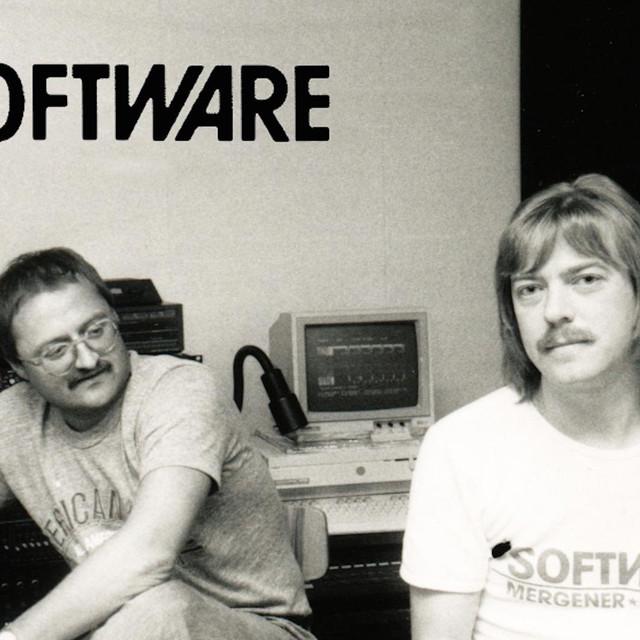
Software’s Spotify BioGerman electronic project Software were founded by sound designer Peter Mergener and science fiction writer Michael Weisser in the early '80s. Heavily inspired by Berlin school electronics, the duo found a home with Klaus Schulze's Innovative Communication label, where they released well over a dozen albums and several compilations. Their music explored science fiction concepts, but the duo's use of natural sounds, including bird calls and rushing waves, as well as acoustic instruments (particularly saxophone), kept their music earthly and organic. Software were never as well-known or acclaimed as artists like Tangerine Dream, but they found a sizeable audience among fans of new age music, and their work anticipated much of the ambient techno and downtempo of the 1990s and beyond.
Initially recording under their own names, Mergener and Weisser made their debut in 1984 with Beam-Scape, an album of pulsating, arpeggio-heavy soundscapes. Phancyful-Fire and Night-Light were both credited to… the two individuals, but Chip-Meditation and Electronic-Universe, both released in 1985, were released under the Software name, and the duo continued producing under the moniker. Syn-Code and two Past-Present-Future compilations appeared in 1987, and several albums followed in 1988, including Digital-Dance, which contained the single "Island Sunrise." The-Third-Dimension-Live-In-Concert and Chip-Meditation, Pt. 2 (containing material recorded in 1985, during the sessions for the first volume) both appeared in 1989.
Mergener left Software for the first half of the 1990s, during which he released several solo albums on CUE-Records. Software's 1990 album, Fragrance, was composed by Weisser along with Schulze and his studio engineer, Georg Stettner. Billy Byte (aka Stephan Töteberg, of the group Megabyte) joined Software from 1991 until 1993, appearing on the erotically charged Modesty-Blaze albums, as well as the more nature-focused Cave. Following remix album Space-Design, Software (once again the duo of Mergener and Weisser) released the darker, medieval-inspired Heaven-to-Hell (Requiem für Analoge Seelen), which featured vocals from several choirs. Sky-Dive and Fire-Works followed, also containing a heavy presence of choral vocals, but the duo ceased activity around 2000, and Mergener continued releasing solo albums on the Prudence label. A few CD compilations of Software material were subsequently released.
Software largely faded into obscurity until their music was rediscovered by a new audience during the 2010s, as interest in new age rebounded. "Island Sunrise" earned recognition as a prototype of vaporwave, and Software began to develop a new cult following. In 2017, the entire Software catalog was made available digitally for the first time by 100% Electronica, which also reissued the in-demand Digital-Dance on vinyl. ~ Paul Simpson, Rovi
Viberate is a music analytics platform built for A&Rs, artist managers, labels, booking agents, marketers, and artists.
It helps music professionals track artist growth, analyze audience data, monitor playlist activity, compare artists, follow song performance, and identify opportunities across the music market.
Public artist pages provide a free preview of selected artist data. Paid plans provide access to deeper analytics, historical data, charts, comparisons, playlist tools, exports, alerts, reports, and additional professional features.
Yes. Public Viberate artist pages provide selected artist analytics and music data for free.
Viberate also offers a 7-day free trial of the full platform. A credit card is required to start the trial. The trial includes access to the complete product so users can test deeper artist analytics, historical views, playlist insights, comparisons, charts, exports, alerts, and reporting features before choosing a paid plan.
Viberate provides artist analytics across streaming, playlists, social media, video, radio airplay, songs, and audience markets.
Users can analyze Spotify performance, Spotify and Apple Music playlists, YouTube activity, TikTok and Instagram growth, radio spins, song performance, audience locations, demographics, rankings, and overall artist momentum.
Artist profiles also connect to music charts, similar artists, and comparison tools, helping users benchmark performance and evaluate artists in context.
Viberate updates key artist and track data daily.
For followed artists and tracks, selected data is refreshed multiple times per day. This helps teams monitor playlist changes, streaming movement, audience growth, releases, and campaign performance with more current data.
Update frequency can vary depending on the metric and data source.
Yes. Viberate lets users compare up to five artists side by side across streaming, social media, audience, and engagement metrics.
Users can compare fanbase growth, audience demographics, locations, Spotify performance, social metrics, and other artist data over selected time periods.
Artist comparison can be used for A&R scouting, benchmarking, booking decisions, campaign planning, and evaluating artists with similar audiences or market positions.