Soda Shop

Pop
Indie Pop
 Viberate Rank: 470502
 Viberate Rank: 470502
 Monthly ListenersFollowers
 Subscribers
 Followers
 Followers
 FansTop Spotify Songs
| Track | 7-Day Streams | |
|---|---|---|
1 | 204 | |
2 | 34 | |
3 | 34 | |
4 | 33 | |
5 | 22 |
Top YouTube VideosMonthly ListenersFeatured in Playlists| Playlist | Followers | |
|---|---|---|
1 | shoedream mmastodonn | 23.43K |
2 |  Best of BIRP! 2009 - Current BIRP! | 3.49K |
3 |  "obscure indie bands" Tom Rudolph | 2.35K |
4 |  BIRP! 2009 - 2019 BIRP! | 2.20K |
5 |  Bedroom Pop/Indie Rock/Indie Pop/Dreampop/Shoegaze/LoFi/Chillwave Morgana | 2.08K |
Audience| City | Monthly Listeners | |
|---|---|---|
1 | | 25 |
2 | | 21 |
3 | | 17 |
4 |  | 17 |
5 | | 12 |
See full performance history, audience data, playlist activity, rankings, comparisons, and more in Viberate music analytics. Start with a free trial, then continue with a paid plan.
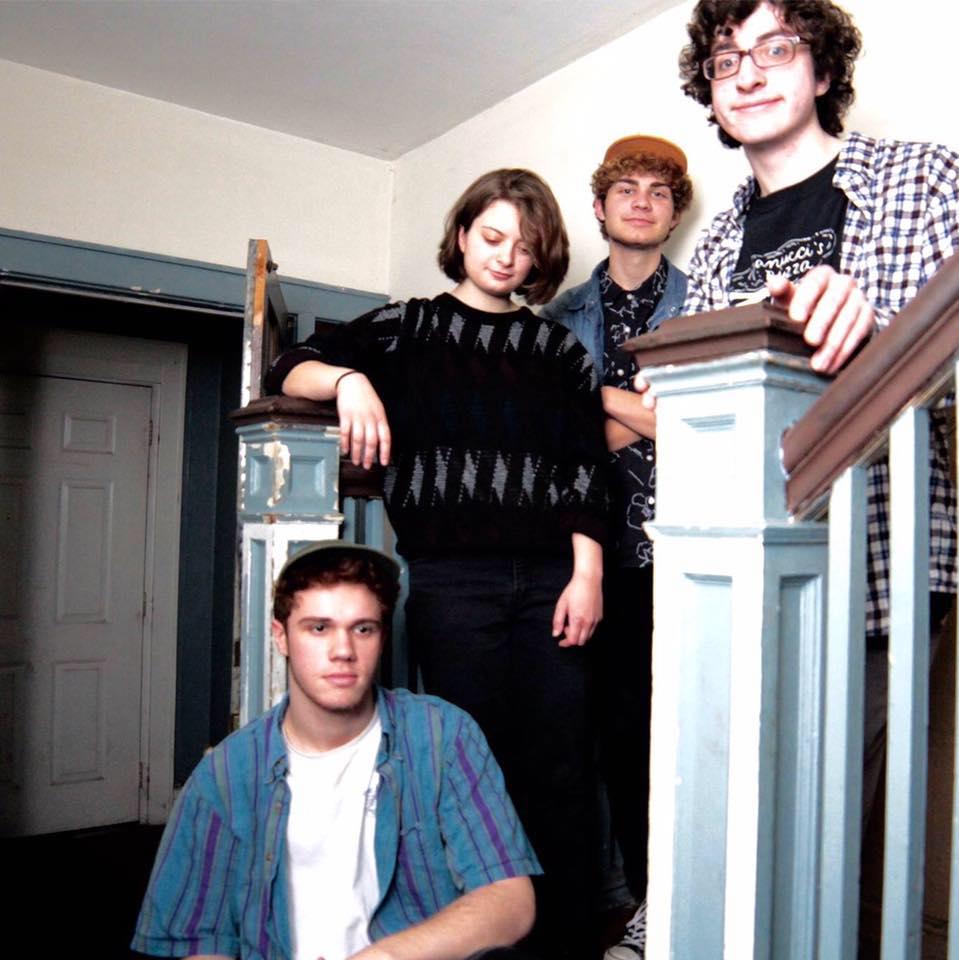
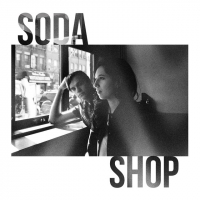
Soda Shop’s Spotify BioMaria Usbeck (Selebrities) and Drew Diver (Horse Shoes), both big fans of Swedish indie pop group the Embassy, met by chance at one of that band's Brooklyn, New York gigs. (As a matter of fact, Diver was sitting in as the group's bassist for that particular show.) The two musicians formed a friendship that soon spawned the dreamy, girl group-inspired duo Soda Shop. Combining sugar-sweet pop hooks, moody reverb, and Usbeck's melancholic lead vocals, Soda Shop's sound easily fit in with a number of other Phil Spector-influenced indie pop groups, notably Saturday Looks Good to Me, Gigi, and Cat Eyes. Soda Shop were snapped up by Shelflife Records in 2010, and their debut 7" vinyl single on that label, Farewell, was released in January 2011. There was a palpable buzz among indie pop bloggers following the band's debut live performance at that year's New York Popfest, where they shared the stage with like-minded groups Betty and the Werewolves and Go Sailor. ~ TiVo Staff, Rovi
Viberate is a music analytics platform built for A&Rs, artist managers, labels, booking agents, marketers, and artists.
It helps music professionals track artist growth, analyze audience data, monitor playlist activity, compare artists, follow song performance, and identify opportunities across the music market.
Public artist pages provide a free preview of selected artist data. Paid plans provide access to deeper analytics, historical data, charts, comparisons, playlist tools, exports, alerts, reports, and additional professional features.
Yes. Public Viberate artist pages provide selected artist analytics and music data for free.
Viberate also offers a 7-day free trial of the full platform. A credit card is required to start the trial. The trial includes access to the complete product so users can test deeper artist analytics, historical views, playlist insights, comparisons, charts, exports, alerts, and reporting features before choosing a paid plan.
Viberate provides artist analytics across streaming, playlists, social media, video, radio airplay, songs, and audience markets.
Users can analyze Spotify performance, Spotify and Apple Music playlists, YouTube activity, TikTok and Instagram growth, radio spins, song performance, audience locations, demographics, rankings, and overall artist momentum.
Artist profiles also connect to music charts, similar artists, and comparison tools, helping users benchmark performance and evaluate artists in context.
Viberate updates key artist and track data daily.
For followed artists and tracks, selected data is refreshed multiple times per day. This helps teams monitor playlist changes, streaming movement, audience growth, releases, and campaign performance with more current data.
Update frequency can vary depending on the metric and data source.
Yes. Viberate lets users compare up to five artists side by side across streaming, social media, audience, and engagement metrics.
Users can compare fanbase growth, audience demographics, locations, Spotify performance, social metrics, and other artist data over selected time periods.
Artist comparison can be used for A&R scouting, benchmarking, booking decisions, campaign planning, and evaluating artists with similar audiences or market positions.