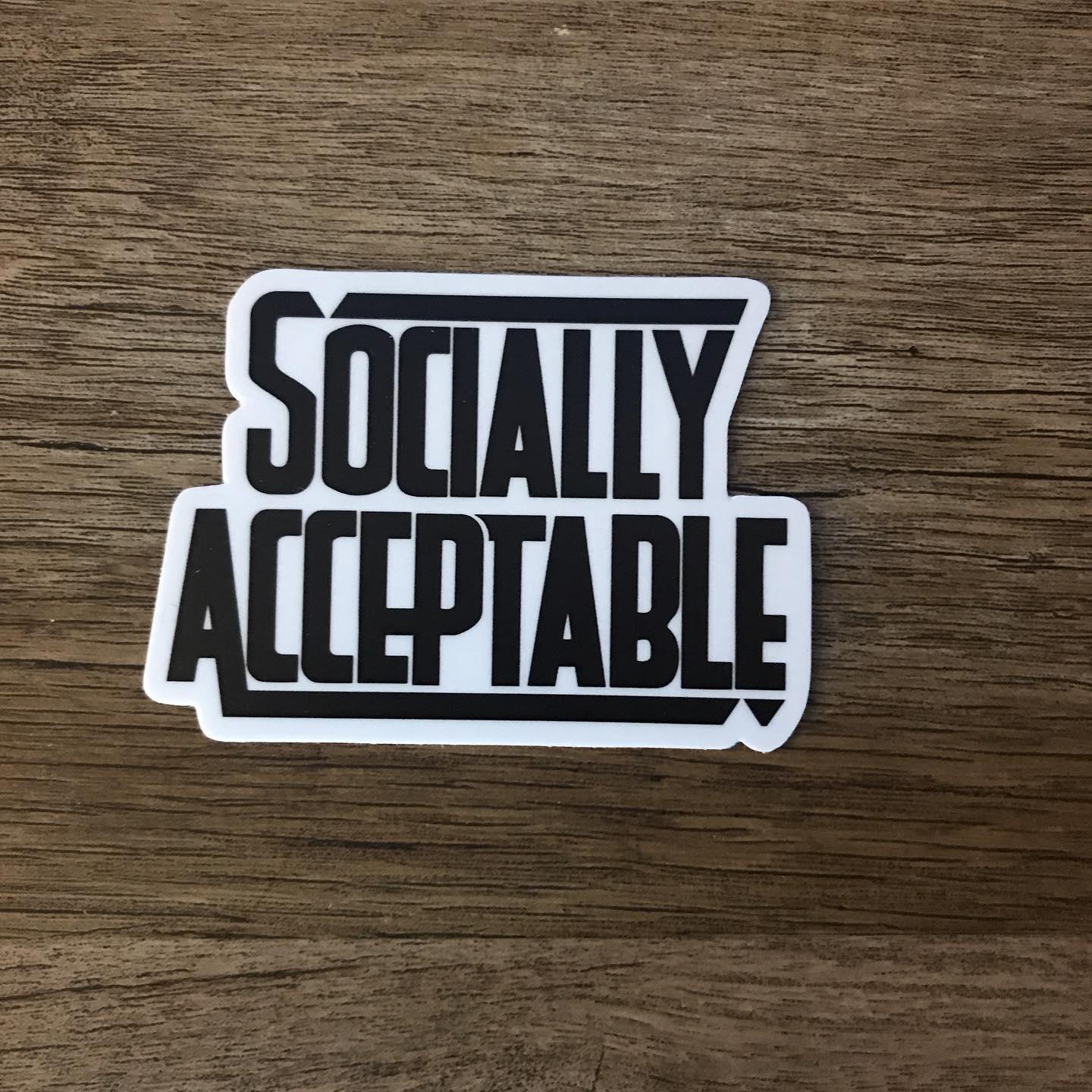
Socially Acceptable

Rock
Indie Rock
 Viberate Rank: 422699
 Viberate Rank: 422699
 Monthly ListenersFollowers
 Subscribers
 Followers
 Followers
 FansTop Spotify Songs
| Track | 7-Day Streams | |
|---|---|---|
1 | 1.01K | |
2 | 160 | |
3 | 38 | |
4 | 31 | |
5 | 29 |
Top YouTube VideosMonthly ListenersFeatured in Playlists| Playlist | Followers | |
|---|---|---|
1 |  Indie Fusion Alfred Max | 17.18K |
2 |  Indie Rock 2026 dreamstate | 16.39K |
3 |  Indie Mode 🎸 (Alt. / Indie / Rock) AfroDaPlug | 9.77K |
4 |  Road Trip Essentials/relax/focus Sonic Seeker | 5.42K |
5 |  indie pop jams the club | 5.40K |
Audience| City | Monthly Listeners | |
|---|---|---|
1 | | 49 |
2 |  | 40 |
3 |  | 15 |
4 |  | 10 |
5 | | 10 |
See full performance history, audience data, playlist activity, rankings, comparisons, and more in Viberate music analytics. Start with a free trial, then continue with a paid plan.
Socially Acceptable’s Spotify BioSocially Acceptable is a 5-piece alternative/indie rock band from Chicago, Illinois made up of Luke Luhrsen (Lead Vocals & Guitar), Dominic DeAngelis (Lead Guitar), Michael Leszczynski (Bass & Vocals), Ernie Santeralli (Piano & Rhythm Guitar), and Alex Panayiotou (Drums & Vocals). They began as a cover-band in a University of Illinois fraternity's cut house basement in the fall of 2013, playing the campus bars until graduating and moving north to Chicago, expanding into weddings, private events, and venues.
During the summer of 2020, with live music events postponed indefinitely, they entered a new chapter and began writing original music as a creative outlet, culminating in the release of "Don't Know Yet" – a 6-song EP featuring songs composed by each band member and drawing on the diverse influences specific to them.
Viberate is a music analytics platform built for A&Rs, artist managers, labels, booking agents, marketers, and artists.
It helps music professionals track artist growth, analyze audience data, monitor playlist activity, compare artists, follow song performance, and identify opportunities across the music market.
Public artist pages provide a free preview of selected artist data. Paid plans provide access to deeper analytics, historical data, charts, comparisons, playlist tools, exports, alerts, reports, and additional professional features.
Yes. Public Viberate artist pages provide selected artist analytics and music data for free.
Viberate also offers a 7-day free trial of the full platform. A credit card is required to start the trial. The trial includes access to the complete product so users can test deeper artist analytics, historical views, playlist insights, comparisons, charts, exports, alerts, and reporting features before choosing a paid plan.
Viberate provides artist analytics across streaming, playlists, social media, video, radio airplay, songs, and audience markets.
Users can analyze Spotify performance, Spotify and Apple Music playlists, YouTube activity, TikTok and Instagram growth, radio spins, song performance, audience locations, demographics, rankings, and overall artist momentum.
Artist profiles also connect to music charts, similar artists, and comparison tools, helping users benchmark performance and evaluate artists in context.
Viberate updates key artist and track data daily.
For followed artists and tracks, selected data is refreshed multiple times per day. This helps teams monitor playlist changes, streaming movement, audience growth, releases, and campaign performance with more current data.
Update frequency can vary depending on the metric and data source.
Yes. Viberate lets users compare up to five artists side by side across streaming, social media, audience, and engagement metrics.
Users can compare fanbase growth, audience demographics, locations, Spotify performance, social metrics, and other artist data over selected time periods.
Artist comparison can be used for A&R scouting, benchmarking, booking decisions, campaign planning, and evaluating artists with similar audiences or market positions.