SOCIAL CINEMA

Pop
Indie Pop
 Viberate Rank: 353507
 Viberate Rank: 353507
 Monthly ListenersFollowers
 Subscribers
 Followers
 Followers
 FansTop Spotify Songs
| Track | 7-Day Streams | |
|---|---|---|
1 | 624 | |
2 | 57 | |
3 | 31 | |
4 | 27 | |
5 | 26 |
Top YouTube VideosMonthly ListenersFeatured in Playlists| Playlist | Followers | |
|---|---|---|
1 | Divorced Dad Rock Gage Lippold | 479.99K |
2 |  NARUTO MOTIVATION 2023 💣💣 Guillermo Prudenciano Martín | 14.77K |
3 |  Treefort 2025 treefortfest | 1.33K |
4 |  Treefort Music Fest 2026 treefortfest | 1.33K |
5 |  Treefort 2023 treefortfest | 1.29K |
Audience| City | Monthly Listeners | |
|---|---|---|
1 | | 39 |
2 | | 35 |
3 | | 33 |
4 | | 32 |
5 | | 31 |
See full performance history, audience data, playlist activity, rankings, comparisons, and more in Viberate music analytics. Start with a free trial, then continue with a paid plan.
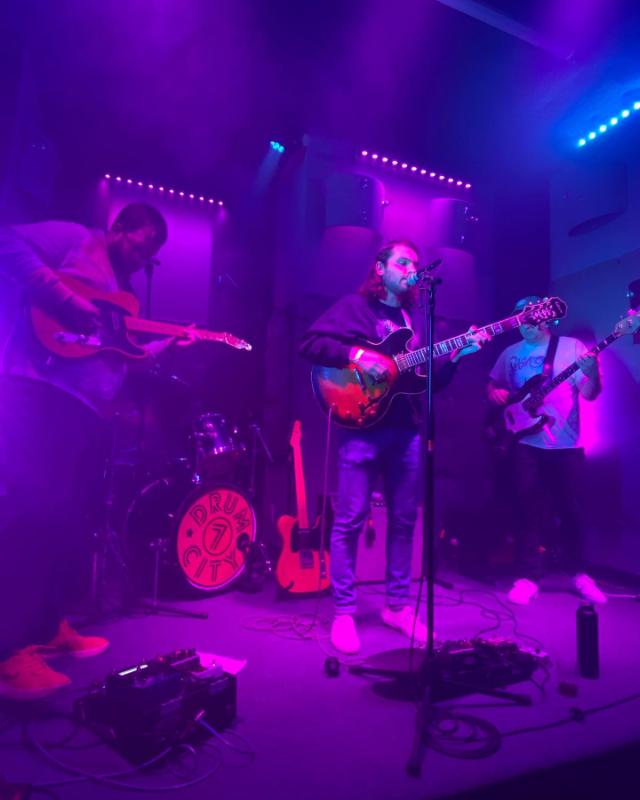
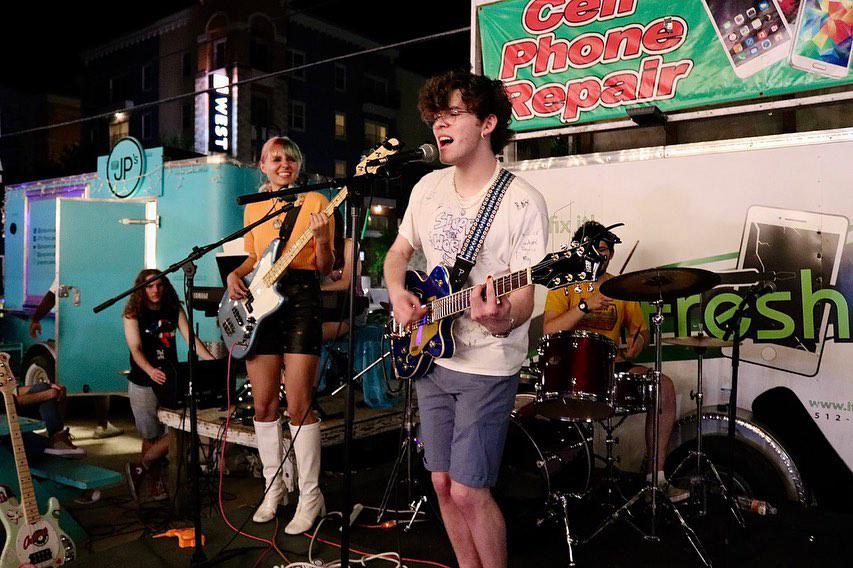
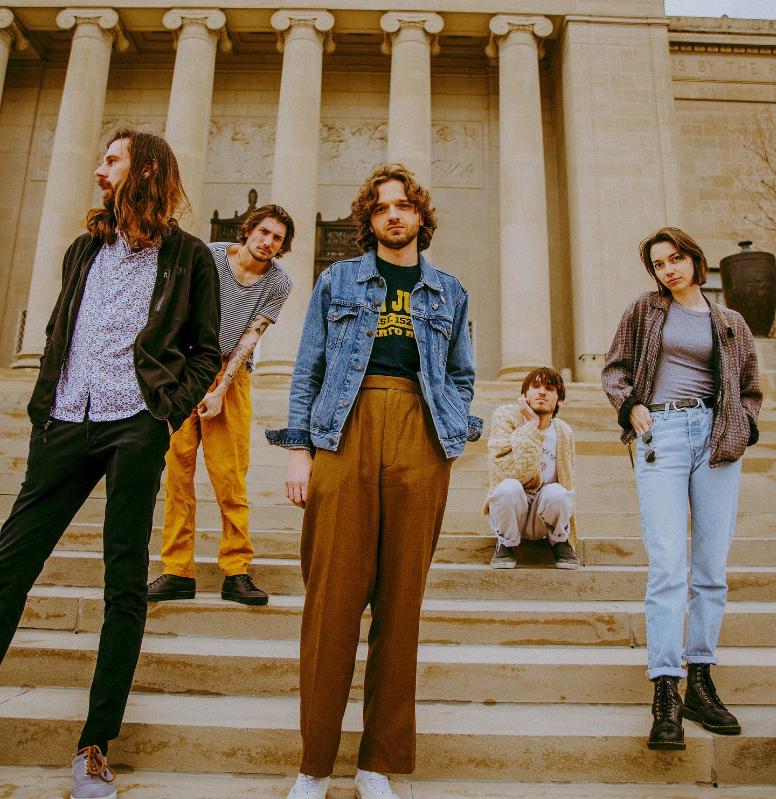
SOCIAL CINEMA’s Spotify BioFor pop listeners looking for a bit more to chew on, Social Cinema’s debut Don’t Get Lost features a wealth of simultaneously at-odds and complementary instrumentation, whether that’s demonstrated by the band’s hard-panned, three-pronged guitar attack of Gang Of Four-esque chimes exchanged among guitarists Griffin Bush, Mari Crisler and Reed Tiwald, or via the stop-start, drum-pad-aided grooves played by Logan Bush and bassist Austin Engler.
Each song on Don’t Get Lost is ultimately concerned with stuffing in as many hooky bits as possible, which often sends the songs in unexpected directions. Take second track, “Human Development,” which contains the elements of a normal pop song — there’s an intro, a verse and a chorus, albeit separated by several other distinct parts. Instead of returning from the chorus to a second verse, the song diverts into a maracas-infused instrument break whose only vocal part functions to bolster the song’s rhythm, not the song’s melody. It’s a delightfully… adventurous move that makes the eventual explosive second chorus that much more gratifying.
Don’t Get Lost is unmistakably a pop album meant to hook you in at the surface level and designed to reward you with repeated listens. Social Cinema have evolved here from their own self-prescribed characterization as a “live” band. While the live show will remain key to their identity, Don’t Get Lost is a full-length feat that earns them a new label: a “complete” band.
Viberate is a music analytics platform built for A&Rs, artist managers, labels, booking agents, marketers, and artists.
It helps music professionals track artist growth, analyze audience data, monitor playlist activity, compare artists, follow song performance, and identify opportunities across the music market.
Public artist pages provide a free preview of selected artist data. Paid plans provide access to deeper analytics, historical data, charts, comparisons, playlist tools, exports, alerts, reports, and additional professional features.
Yes. Public Viberate artist pages provide selected artist analytics and music data for free.
Viberate also offers a 7-day free trial of the full platform. A credit card is required to start the trial. The trial includes access to the complete product so users can test deeper artist analytics, historical views, playlist insights, comparisons, charts, exports, alerts, and reporting features before choosing a paid plan.
Viberate provides artist analytics across streaming, playlists, social media, video, radio airplay, songs, and audience markets.
Users can analyze Spotify performance, Spotify and Apple Music playlists, YouTube activity, TikTok and Instagram growth, radio spins, song performance, audience locations, demographics, rankings, and overall artist momentum.
Artist profiles also connect to music charts, similar artists, and comparison tools, helping users benchmark performance and evaluate artists in context.
Viberate updates key artist and track data daily.
For followed artists and tracks, selected data is refreshed multiple times per day. This helps teams monitor playlist changes, streaming movement, audience growth, releases, and campaign performance with more current data.
Update frequency can vary depending on the metric and data source.
Yes. Viberate lets users compare up to five artists side by side across streaming, social media, audience, and engagement metrics.
Users can compare fanbase growth, audience demographics, locations, Spotify performance, social metrics, and other artist data over selected time periods.
Artist comparison can be used for A&R scouting, benchmarking, booking decisions, campaign planning, and evaluating artists with similar audiences or market positions.