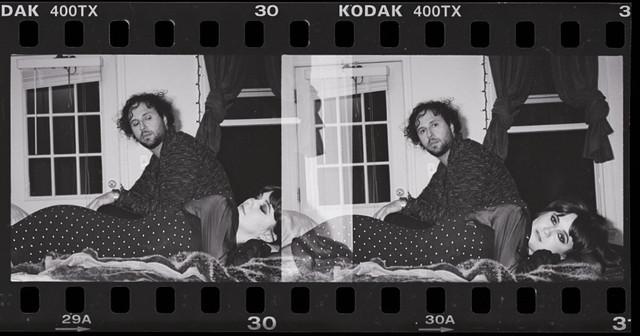
So Many Wizards

Rock
Indie Rock
Indie Pop
 Viberate Rank: 271037
 Viberate Rank: 271037
 Monthly ListenersFollowers
 Subscribers
 Followers
 Followers
 FansTop Spotify Songs
| Track | 7-Day Streams | |
|---|---|---|
1 | 9.41K | |
2 | 153 | |
3 | 44 | |
4 | 29 | |
5 | 26 |
Top YouTube VideosMonthly ListenersFeatured in Playlists| Playlist | Followers | |
|---|---|---|
1 | While You Work (@whileyouwork) Eli Feghali | 81.75K |
2 | Synth-Driven Indie Melody Makers | 19.50K |
3 | playlister234 | 18.40K |
4 | Come On Eileen briannitas | 7.99K |
5 |  pov: ur the main character ilyTOMMY | 7.44K |
Audience| City | Monthly Listeners | |
|---|---|---|
1 | | 406 |
2 | | 383 |
3 | | 335 |
4 | | 247 |
5 | | 236 |
See full performance history, audience data, playlist activity, rankings, comparisons, and more in Viberate music analytics. Start with a free trial, then continue with a paid plan.
So Many Wizards’ Spotify BioSo Many Wizards started out in 2009 as the dreamy indie solo project of Long Beach, California, musician Nima Kazerouni. In its beginning phases, the band's shows consisted of Kazerouni performing in front of television sets stacked on top of each other, playing synced-up backing tracks. During this time, the Tree EP was released, an eight-song mini-album of bedroom pop packaged in handcrafted covers. Kazerouni was soon joined by drummer Erik Felix and the pair recorded the Love Songs for When You Leave Me EP. Bassist Warren Woodward filled out the lineup, and the trio began playing often in Southern California, eventually touring nationally and internationally. In 2011 their Inner City/Best Friends 7" was released and Woodward left the band. L.A. musicians Geoff Geis and Melody Carillo stepped in upon Woodward's exit and the band's proper full-length debut, Warm Nothing, arrived in 2012. ~ Fred Thomas, Rovi
Viberate is a music analytics platform built for A&Rs, artist managers, labels, booking agents, marketers, and artists.
It helps music professionals track artist growth, analyze audience data, monitor playlist activity, compare artists, follow song performance, and identify opportunities across the music market.
Public artist pages provide a free preview of selected artist data. Paid plans provide access to deeper analytics, historical data, charts, comparisons, playlist tools, exports, alerts, reports, and additional professional features.
Yes. Public Viberate artist pages provide selected artist analytics and music data for free.
Viberate also offers a 7-day free trial of the full platform. A credit card is required to start the trial. The trial includes access to the complete product so users can test deeper artist analytics, historical views, playlist insights, comparisons, charts, exports, alerts, and reporting features before choosing a paid plan.
Viberate provides artist analytics across streaming, playlists, social media, video, radio airplay, songs, and audience markets.
Users can analyze Spotify performance, Spotify and Apple Music playlists, YouTube activity, TikTok and Instagram growth, radio spins, song performance, audience locations, demographics, rankings, and overall artist momentum.
Artist profiles also connect to music charts, similar artists, and comparison tools, helping users benchmark performance and evaluate artists in context.
Viberate updates key artist and track data daily.
For followed artists and tracks, selected data is refreshed multiple times per day. This helps teams monitor playlist changes, streaming movement, audience growth, releases, and campaign performance with more current data.
Update frequency can vary depending on the metric and data source.
Yes. Viberate lets users compare up to five artists side by side across streaming, social media, audience, and engagement metrics.
Users can compare fanbase growth, audience demographics, locations, Spotify performance, social metrics, and other artist data over selected time periods.
Artist comparison can be used for A&R scouting, benchmarking, booking decisions, campaign planning, and evaluating artists with similar audiences or market positions.