Snuff Crew

Electronic
House
Tech House
Techno
 Viberate Rank: 297522
 Viberate Rank: 297522
 Monthly ListenersFollowers
 Subscribers
 Followers
 Followers
 FansTop Spotify Songs
| Track | 7-Day Streams | |
|---|---|---|
1 | 52 | |
2 | 51 | |
3 | 48 | |
4 | 19 | |
5 | 17 |
Top YouTube VideosMonthly ListenersFeatured in Playlists| Playlist | Followers | |
|---|---|---|
1 |  Acid House & Techno Jaime Sanford | 8.08K |
2 |  102.7 WBMX B96 CHICAGO HOUSE CLASSICS B96 90'S HOUSE CLASSICS 80'S 90'S HOUSE TECHNO FREESTYLE MIX Carlos Herrera | 6.82K |
3 |  Boiler Room Robert Brown | 6.66K |
4 |  Experimental Electronics daanvanzuylen | 3.55K |
5 |  303 Acid Techno 86-26 ??????? | 3.45K |
Audience| City | Monthly Listeners | |
|---|---|---|
1 | | 23 |
2 |  | 23 |
3 |  | 21 |
4 |  | 11 |
5 |  | 11 |
See full performance history, audience data, playlist activity, rankings, comparisons, and more in Viberate music analytics. Start with a free trial, then continue with a paid plan.
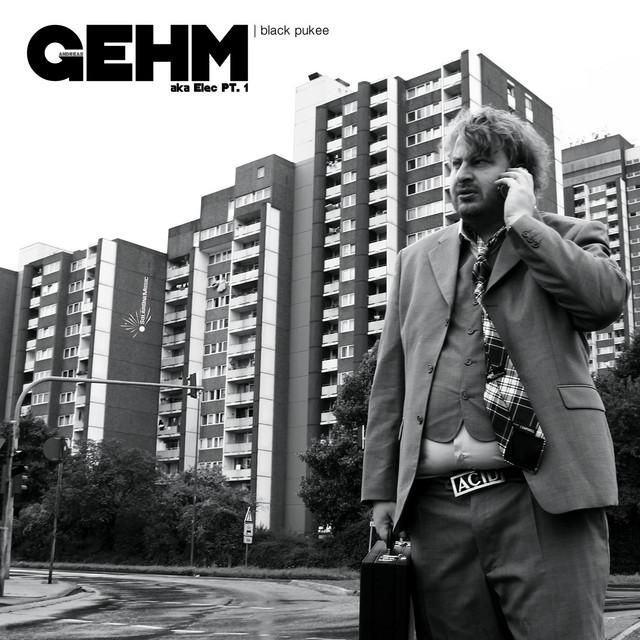
Snuff Crew’s Spotify BioInfluenced by the halcyon days of Chicago house and Traxx, as well as Italo and acid house, mysterious and masked Berlin dance duo the Snuff Crew and their Roland TR-707 drum machine became an electrifying and organic addition to the Berlin house and techno scene in the late 2000s. Alongside artists such as Kikumoto Allstars, KiNK, Neville Watson, and Andreas Gehm, they became a part of a new generation of dance music producers who drew inspiration from late-'80s and early-'90s house culture. Penning odes to the legendary and internationally renowned nightclub Berghain, the duo's exhilarating brand of old-school jackin' house first came to prominence in 2008 with the 12" release of God on Marco Passarani's Nature label. Two more releases followed on the Playhouse and Hour House Is Your Rush labels before they found a spiritual home on DJ Hell's International Deejay Gigolo Records in 2009. The dark and acid-soaked basement sounds of their 2009 self-titled debut album drew comparisons to… early dance music pioneers such as Mike Dunn, Chip E., Adonis, and Jesse Saunders. In 2010, Snuff Crew released their second album, Jack 2. ~ Aneet Nijjar, Rovi
Viberate is a music analytics platform built for A&Rs, artist managers, labels, booking agents, marketers, and artists.
It helps music professionals track artist growth, analyze audience data, monitor playlist activity, compare artists, follow song performance, and identify opportunities across the music market.
Public artist pages provide a free preview of selected artist data. Paid plans provide access to deeper analytics, historical data, charts, comparisons, playlist tools, exports, alerts, reports, and additional professional features.
Yes. Public Viberate artist pages provide selected artist analytics and music data for free.
Viberate also offers a 7-day free trial of the full platform. A credit card is required to start the trial. The trial includes access to the complete product so users can test deeper artist analytics, historical views, playlist insights, comparisons, charts, exports, alerts, and reporting features before choosing a paid plan.
Viberate provides artist analytics across streaming, playlists, social media, video, radio airplay, songs, and audience markets.
Users can analyze Spotify performance, Spotify and Apple Music playlists, YouTube activity, TikTok and Instagram growth, radio spins, song performance, audience locations, demographics, rankings, and overall artist momentum.
Artist profiles also connect to music charts, similar artists, and comparison tools, helping users benchmark performance and evaluate artists in context.
Viberate updates key artist and track data daily.
For followed artists and tracks, selected data is refreshed multiple times per day. This helps teams monitor playlist changes, streaming movement, audience growth, releases, and campaign performance with more current data.
Update frequency can vary depending on the metric and data source.
Yes. Viberate lets users compare up to five artists side by side across streaming, social media, audience, and engagement metrics.
Users can compare fanbase growth, audience demographics, locations, Spotify performance, social metrics, and other artist data over selected time periods.
Artist comparison can be used for A&R scouting, benchmarking, booking decisions, campaign planning, and evaluating artists with similar audiences or market positions.