Snakecharmer

Blues
Blues Rock
Pop Rock
 Viberate Rank: 314567
 Viberate Rank: 314567
 Monthly ListenersFollowers
 Subscribers
 Followers
 Followers
 FansTop Spotify Songs
| Track | 7-Day Streams | |
|---|---|---|
1 | 74 | |
2 | 43 | |
3 | 29 | |
4 | 21 | |
5 | 20 |
Top YouTube VideosMonthly ListenersFeatured in Playlists| Playlist | Followers | |
|---|---|---|
1 |  Track Of The Day Rocknytt | 3.22K |
2 |  I Wanna Rock JaviFlames | 2.26K |
3 | Blues Rock/Hard heavymetallike | 1.29K |
4 | Frontiers Records aburgos1971 | 1.08K |
Audience| City | Monthly Listeners | |
|---|---|---|
1 |  | 14 |
2 | | 14 |
3 |  | 11 |
4 | | 10 |
5 |  | 6 |
See full performance history, audience data, playlist activity, rankings, comparisons, and more in Viberate music analytics. Start with a free trial, then continue with a paid plan.
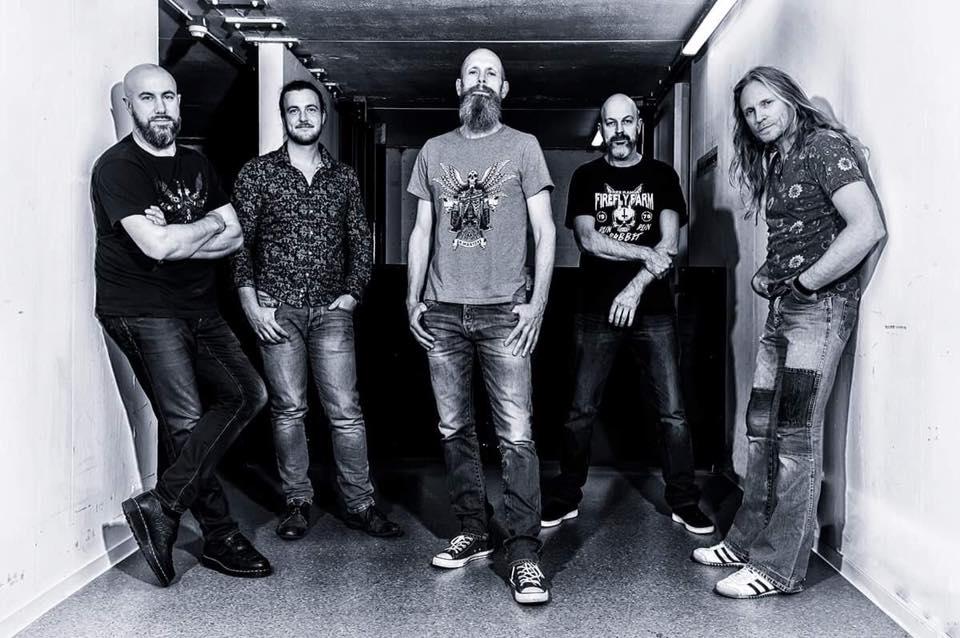
Snakecharmer’s Spotify BioBritish hard rock supergroup Snakecharmer was formed in 2013 by former members of Whitesnake, Wishbone Ash, and Thunder, among others. Guitar wiz Micky Moody had enjoyed a long and storied career in blues-rock dating all the way back to his work with Tramline in the '60s. After his acrimonious departure from Whitesnake in 1983, he formed the Snakes and the Company of Snakes in a bid to re-create the original blues-rock sound of Whitesnake before they became a hair metal band. After a chance meeting with his old Whitesnake bandmate, bassist Neil Murray, the pair decided to make some music for old times' sake and set about putting a band together. The resulting lineup was a veritable who's-who of classic hard rock: vocalist Chris Ousey (Heartland), guitarist Laurie Wisefield (Wishbone Ash), drummer Harry James (Thunder), and keyboardist Adam Wakeman (Ozzy Osbourne). Given the band's pedigree, it was inevitable that the music would sound like good-time, classic melodic hard rock with a… blues edge, earnest, heartfelt, and big on tunes. Reminiscent of all the members' earlier work, it nevertheless was not a slavish copy and stood on its own. Friends encouraged them to record an album, and their eponymous debut was released in 2013 by Italian label Frontiers. The response from fans and critics alike was rapturous, and the band toured to wide acclaim. In 2015, Moody left the band, replaced by young Irish-born virtuoso Simon McBride. Snakecharmer's sophomore album, Second Skin, arrived in 2017. ~ John D. Buchanan, Rovi
Viberate is a music analytics platform built for A&Rs, artist managers, labels, booking agents, marketers, and artists.
It helps music professionals track artist growth, analyze audience data, monitor playlist activity, compare artists, follow song performance, and identify opportunities across the music market.
Public artist pages provide a free preview of selected artist data. Paid plans provide access to deeper analytics, historical data, charts, comparisons, playlist tools, exports, alerts, reports, and additional professional features.
Yes. Public Viberate artist pages provide selected artist analytics and music data for free.
Viberate also offers a 7-day free trial of the full platform. A credit card is required to start the trial. The trial includes access to the complete product so users can test deeper artist analytics, historical views, playlist insights, comparisons, charts, exports, alerts, and reporting features before choosing a paid plan.
Viberate provides artist analytics across streaming, playlists, social media, video, radio airplay, songs, and audience markets.
Users can analyze Spotify performance, Spotify and Apple Music playlists, YouTube activity, TikTok and Instagram growth, radio spins, song performance, audience locations, demographics, rankings, and overall artist momentum.
Artist profiles also connect to music charts, similar artists, and comparison tools, helping users benchmark performance and evaluate artists in context.
Viberate updates key artist and track data daily.
For followed artists and tracks, selected data is refreshed multiple times per day. This helps teams monitor playlist changes, streaming movement, audience growth, releases, and campaign performance with more current data.
Update frequency can vary depending on the metric and data source.
Yes. Viberate lets users compare up to five artists side by side across streaming, social media, audience, and engagement metrics.
Users can compare fanbase growth, audience demographics, locations, Spotify performance, social metrics, and other artist data over selected time periods.
Artist comparison can be used for A&R scouting, benchmarking, booking decisions, campaign planning, and evaluating artists with similar audiences or market positions.