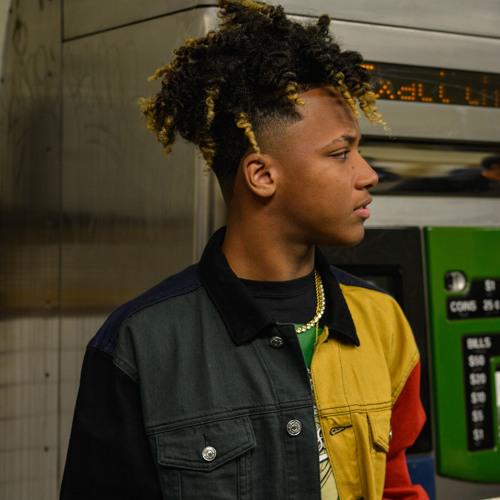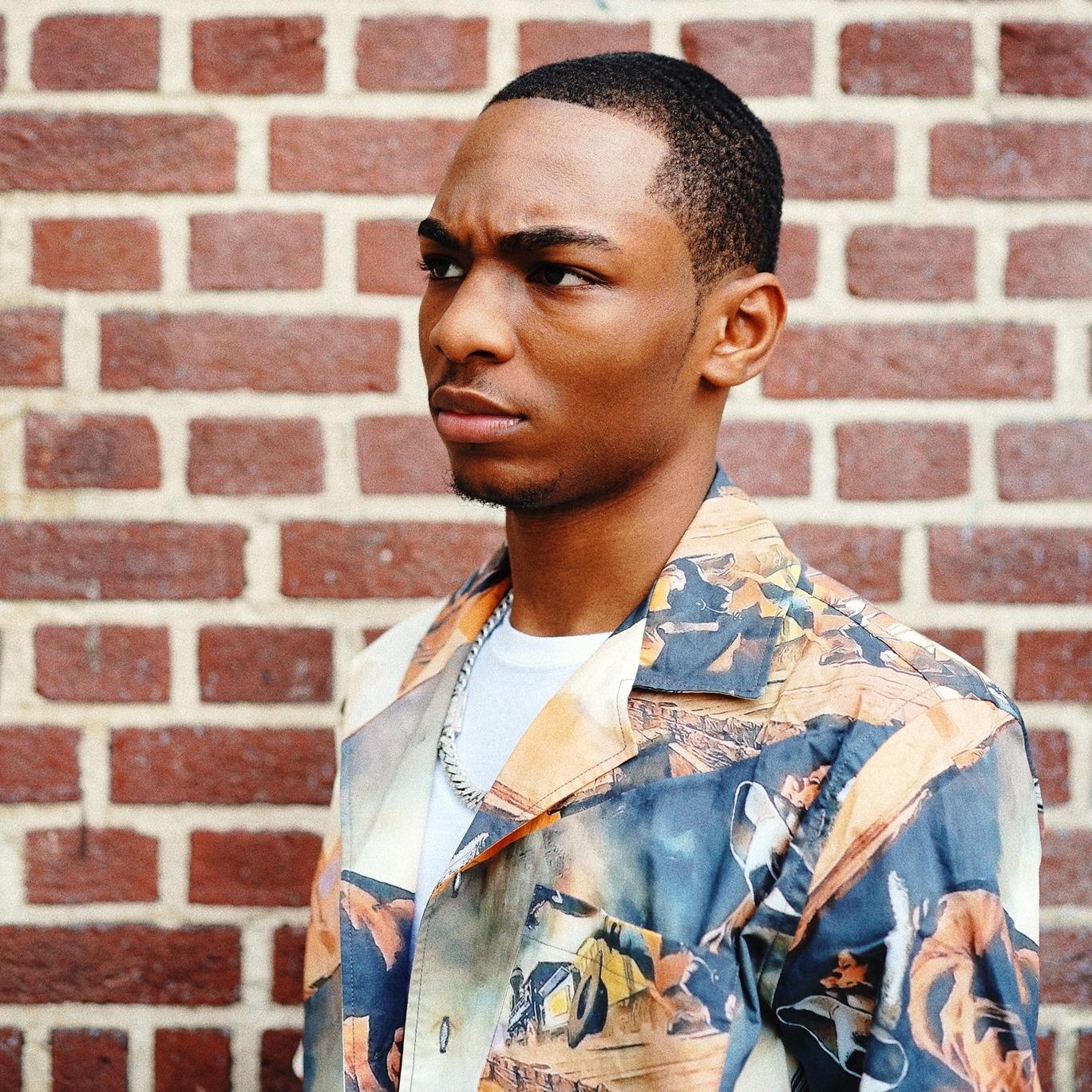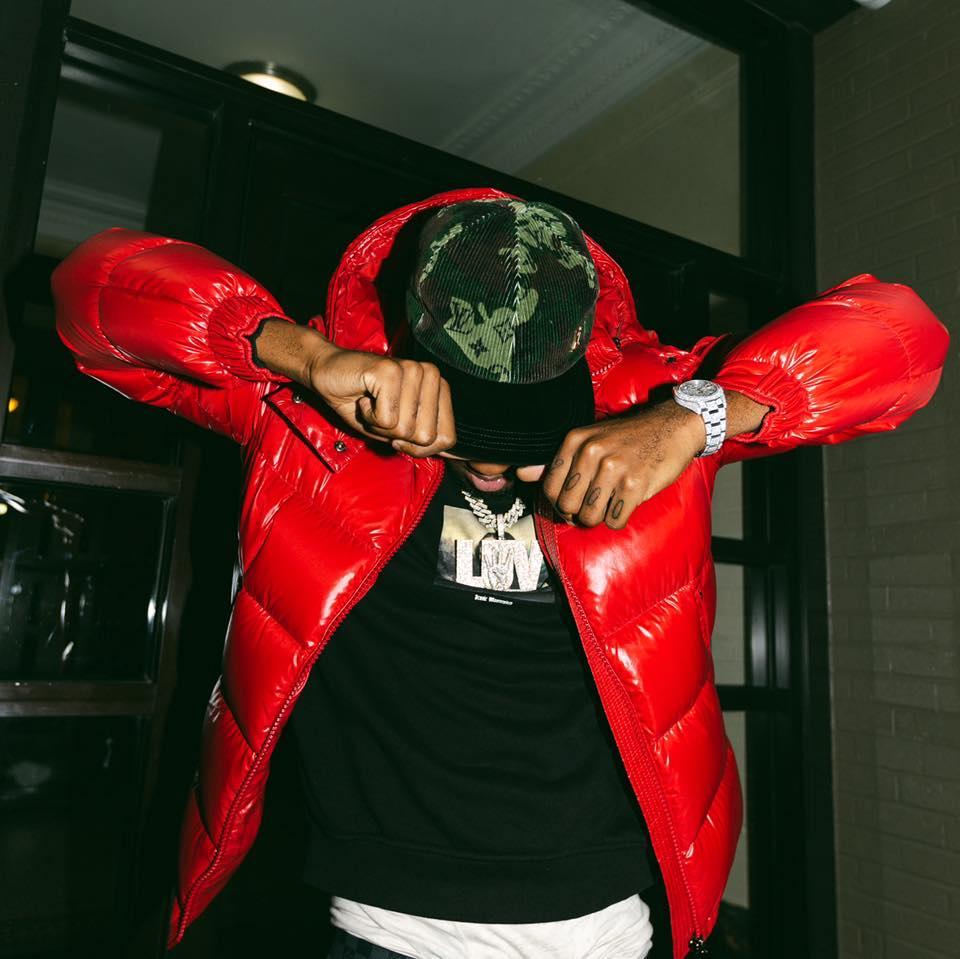
Smoove'L

Hip Hop
Trap
Drill
 Viberate Rank: 46546
 Viberate Rank: 46546
 Monthly ListenersFollowers
 Subscribers
 Followers
 Followers
 FansTop Spotify Songs
| Track | 7-Day Streams | |
|---|---|---|
1 | 17.91K | |
2 | 3.54K | |
3 | 1.87K | |
4 | 1.58K | |
5 | 1.42K |
Top YouTube VideosMonthly ListenersFeatured in Playlists| Playlist | Followers | |
|---|---|---|
1 |  TIK TOK SONGS YOU LOVE ⏳⏳ SongsYouLove | 96.28K |
2 |  TikTok 2023 and Past Vibes DJ Trulhi24 | 93.22K |
3 | NWS 2 Niklas-Wilson Suárez Diego | 65.78K |
4 |  OSOCITY PLAYLIST OSOCITY | 59.58K |
5 |  Best Playlist To Ever Exist cody | 55.10K |
Audience| City | Monthly Listeners | |
|---|---|---|
1 | | 4.15K |
2 | | 3.19K |
3 | | 1.45K |
4 |  | 1.34K |
5 |  | 1.26K |
See full performance history, audience data, playlist activity, rankings, comparisons, and more in Viberate music analytics. Start with a free trial, then continue with a paid plan.
Smoove'L’s Spotify BioBringing a more melodic touch to New York’s burgeoning drill scene, rapper Smoove’L pulled from his experiences of the city as he built his career through the late 2010s. Though finding a steady following through Auto-Tuned trap, it was with drill that the rapper found his biggest success, with the 2019 single "New Apollos" racking up tens of millions of streams online.
Born and raised in Brooklyn, New York City, rapper Smoove’L (birth name Lefty Frizzel Sanders, Jr.) got his first taste of music in his early teens as founder of trap collective CLN. After dropping group singles “Hatin” and “CLN” in 2015, Sanders began to release solo material as Smooove’L DaFinesser, which he eventually shortened to Smoove’L. Swerving between various rap stylings, the rapper’s early output was bound by its prominent use of Auto-Tune, with production typically conforming to contemporary trap trends. After mid-decade singles “Call My Phone” and “Run It Up” garnered hundreds of thousands of views online,… Sanders released his debut mixtape, Youth Relationship, on in July of 2017. A second tape -- My Mood -- shortly followed in October of that year.
After a brief hiatus, Sanders returned to music in early 2019, dropping eight singles in the first four months of the year. His third mixtape, 4 Boy, arrived in May that year; a mix of Auto-crooned material and aggressive street trap, the project landed a feature from rising Memphis rapper NLE Choppa. It was Sanders' fourth tape, Hood 2 Hollywood, that proved the turning point for his career: “Big Mad,” the rapper’s drill debut, swiftly became his biggest hit to date, bringing his material to the attention of mainstream audiences for the first time. Capitalizing on his viral success, Sanders dropped drill anthem “New Apollos" the following month, which soon superseded "Big Mad" with tens of millions of streams across digital platforms. Closing out the year with melodic drill bangers “Ouu Ahh” and “Talk wit Bro,” Sanders set to work on his fifth tape, Boy from Brooklyn. The project, released in May of 2020, saw the rapper shift entirely to drill, combining the genre’s stuttering, abrasive style with his trademark melodic approach. ~ David Crone, Rovi
Viberate is a music analytics platform built for A&Rs, artist managers, labels, booking agents, marketers, and artists.
It helps music professionals track artist growth, analyze audience data, monitor playlist activity, compare artists, follow song performance, and identify opportunities across the music market.
Public artist pages provide a free preview of selected artist data. Paid plans provide access to deeper analytics, historical data, charts, comparisons, playlist tools, exports, alerts, reports, and additional professional features.
Yes. Public Viberate artist pages provide selected artist analytics and music data for free.
Viberate also offers a 7-day free trial of the full platform. A credit card is required to start the trial. The trial includes access to the complete product so users can test deeper artist analytics, historical views, playlist insights, comparisons, charts, exports, alerts, and reporting features before choosing a paid plan.
Viberate provides artist analytics across streaming, playlists, social media, video, radio airplay, songs, and audience markets.
Users can analyze Spotify performance, Spotify and Apple Music playlists, YouTube activity, TikTok and Instagram growth, radio spins, song performance, audience locations, demographics, rankings, and overall artist momentum.
Artist profiles also connect to music charts, similar artists, and comparison tools, helping users benchmark performance and evaluate artists in context.
Viberate updates key artist and track data daily.
For followed artists and tracks, selected data is refreshed multiple times per day. This helps teams monitor playlist changes, streaming movement, audience growth, releases, and campaign performance with more current data.
Update frequency can vary depending on the metric and data source.
Yes. Viberate lets users compare up to five artists side by side across streaming, social media, audience, and engagement metrics.
Users can compare fanbase growth, audience demographics, locations, Spotify performance, social metrics, and other artist data over selected time periods.
Artist comparison can be used for A&R scouting, benchmarking, booking decisions, campaign planning, and evaluating artists with similar audiences or market positions.