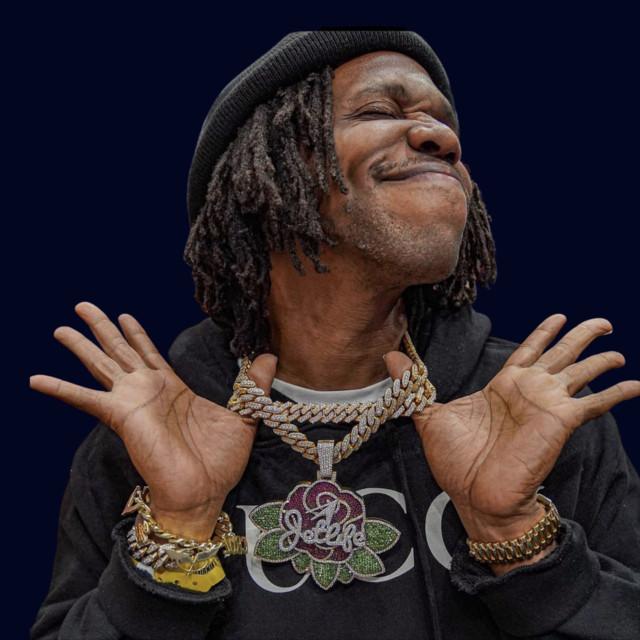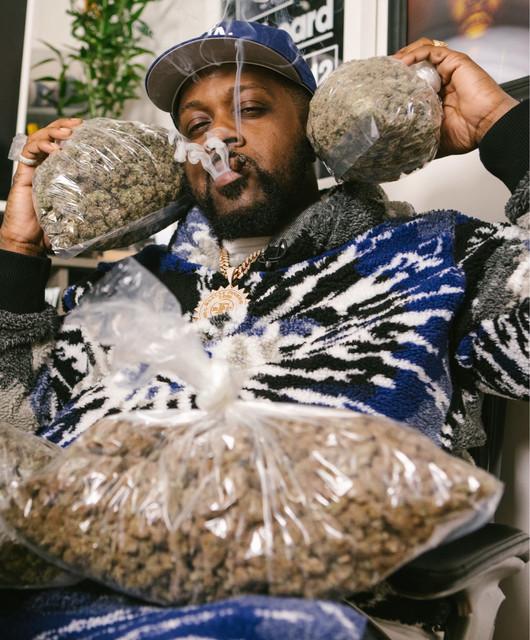
Smoke Dza

Hip Hop
Contemporary Hip Hop
Alternative Hip Hop
 Viberate Rank: 26895
 Viberate Rank: 26895
 Monthly ListenersFollowers
 Subscribers
 Followers
 Followers
 FansTop Spotify Songs
| Track | 7-Day Streams | |
|---|---|---|
1 | 21.44K | |
2 | 13.25K | |
3 | 12.02K | |
4 | 10.65K | |
5 | 7.64K |
Top YouTube Videos| Video | 7-Day Views | |
|---|---|---|
1 | 2.97K | |
2 | 1.91K | |
3 | 1.63K | |
4 | 976 | |
5 | 919 |
Monthly ListenersFeatured in Playlists| Playlist | Followers | |
|---|---|---|
1 |  Beats & Rhymes Spotify | 457.82K |
2 |  Revenge Dreamville | 185.94K |
3 |  Flume - Hi This Is Playlist Flume | 145.39K |
4 | WEED SONGS🍃💨 L | 120.84K |
5 |  ⚠️ SUBWOOF THIS ⚠️ DJ SHATTER 69 | 114.40K |
Audience| City | Monthly Listeners | |
|---|---|---|
1 | | 7.03K |
2 | | 6.14K |
3 | | 6.08K |
4 | | 4.84K |
5 | | 4.63K |
See full performance history, audience data, playlist activity, rankings, comparisons, and more in Viberate music analytics. Start with a free trial, then continue with a paid plan.
Smoke Dza’s Spotify BioMultidimensional rapper Smoke DZA appeals to lovers of golden age hip-hop while maintaining a contemporary perspective. Active since the early 2000s, the Harlem native got his start in the duo Smoke & Numbers, and made a name for himself as a solo artist with a series of raw, kush-loving mixtapes such as Rolling Stoned, Rugby Thompson, and Dream.Zone.Achieve. Those three releases hit Billboard's R&B/hip-hop chart from 2011 through 2014 and led to even greater commercial success in 2016 with the Pete Rock collaboration Don't Smoke Rock. Since then, the prolific MC has been behind dozens of collaborative and solo projects that include 2019's Statue of Limitations (with Benny the Butcher) and 2022's Full Court Press (with Wiz Khalifa, Big K.R.I.T., and Girl Talk).
Smoke DZA got his start in Smoke & Numbers, a locally popular duo formed with a rapper named Numbers. DZA -- as in "Dream Zone Achieved" -- signed a deal in 2002 and joined Big K.R.I.T. behind the scenes at Cinematic Music Group,… but when twin daughters were brought into his life in 2007, he adopted a "now or never" attitude when it came to his solo career. A slew of mixtapes with weed lingo names like Sweet Baby Kushed God and Substance Abuse followed. In 2011, DZA's mixtape Rolling Stoned became his first charting release and won High Times Magazine's Doobie Award for 2011's hip-hop album of the year. A year later, the magazine signed the rapper to its High Times label and released Rugby Thompson, an album produced in total by Harry Fraud. Rugby included appearances by Action Bronson, Curren$y, Domo Genesis, and ScHoolboy Q, and entered the R&B/hip-hop chart at number 45. DZA's third LP, Dream.Zone.Achieve, was released in 2014 and scaled a little higher, peaking at number 30.
He Has Risen arrived early in 2016 and featured an appearance by Snoop Dogg. Months later, DZA and super-producer Pete Rock teamed up for Don't Smoke Rock. The album included the single "Milestone," which featured BJ the Chicago Kid, Jadakiss, and Styles P, and hit number 26 on the R&B/hip-hop chart. DZA followed that success with a series of collaborative singles, starting with 2017's "How Many?" (joining Statik Selektah, Young Roddy, and Trademark Da Skydiver), and continuing with 2018's "The Mood" (with Joey Bada$$) and "Moves" (with Delivery Boys). DZA paired in 2019 with Benny the Butcher for the Pete Rock-produced EP Statue of Limitations, which featured guest appearances by Benny's key Griselda associates, Conway the Machine and Westside Gunn.
Busy as ever in the 2020s, DZA offered A Closed Mouth Don't Get Fed at the top of the decade with guest spots by T-Pain, Wale, and Dave East. Another full-length, Homegrown, followed that October and included the track "Santos Party House," featuring Wiz Khalifa, Big K.R.I.T., and Curren$y. After a handful of tapes in 2021, DZA met again with Wiz and K.R.I.T., and the three connected with producer Girl Talk. They put together Full Court Press, a full-length issued in 2022 through Wiz's Taylor Gang label. ~ David Jeffries & Neil Z. Yeung, Rovi
Viberate is a music analytics platform built for A&Rs, artist managers, labels, booking agents, marketers, and artists.
It helps music professionals track artist growth, analyze audience data, monitor playlist activity, compare artists, follow song performance, and identify opportunities across the music market.
Public artist pages provide a free preview of selected artist data. Paid plans provide access to deeper analytics, historical data, charts, comparisons, playlist tools, exports, alerts, reports, and additional professional features.
Yes. Public Viberate artist pages provide selected artist analytics and music data for free.
Viberate also offers a 7-day free trial of the full platform. A credit card is required to start the trial. The trial includes access to the complete product so users can test deeper artist analytics, historical views, playlist insights, comparisons, charts, exports, alerts, and reporting features before choosing a paid plan.
Viberate provides artist analytics across streaming, playlists, social media, video, radio airplay, songs, and audience markets.
Users can analyze Spotify performance, Spotify and Apple Music playlists, YouTube activity, TikTok and Instagram growth, radio spins, song performance, audience locations, demographics, rankings, and overall artist momentum.
Artist profiles also connect to music charts, similar artists, and comparison tools, helping users benchmark performance and evaluate artists in context.
Viberate updates key artist and track data daily.
For followed artists and tracks, selected data is refreshed multiple times per day. This helps teams monitor playlist changes, streaming movement, audience growth, releases, and campaign performance with more current data.
Update frequency can vary depending on the metric and data source.
Yes. Viberate lets users compare up to five artists side by side across streaming, social media, audience, and engagement metrics.
Users can compare fanbase growth, audience demographics, locations, Spotify performance, social metrics, and other artist data over selected time periods.
Artist comparison can be used for A&R scouting, benchmarking, booking decisions, campaign planning, and evaluating artists with similar audiences or market positions.