SMforma

Electronic
Techno
Other Electronic Music
 Viberate Rank: 343342
 Viberate Rank: 343342
 Monthly ListenersFollowers
 Subscribers
 Followers
 Followers
 FansTop Spotify Songs
| Track | 7-Day Streams | |
|---|---|---|
1 | 35 | |
2 | 26 | |
3 | 26 | |
4 | 24 | |
5 | 21 |
Top YouTube VideosMonthly ListenersFeatured in Playlists| Playlist | Followers | |
|---|---|---|
1 |  Death Guild: New & Notable - darkwave, post-punk, gothic, industrial, synthpop deathguild | 1.01K |
2 | EBM Industrial Techno Body Music by Darklark darklark | 304 |
3 |  SYNT Å SÅNT Paulina Tjernlund | 141 |
Audience| City | Monthly Listeners | |
|---|---|---|
1 |  | 45 |
2 | | 13 |
3 | | 13 |
4 |  | 11 |
5 | | 10 |
See full performance history, audience data, playlist activity, rankings, comparisons, and more in Viberate music analytics. Start with a free trial, then continue with a paid plan.
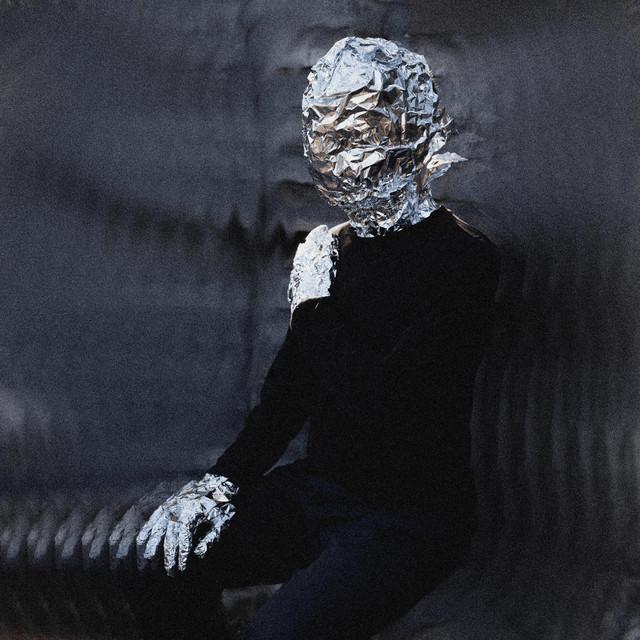
SMforma’s Spotify BioSMFORMA is a musical project formed in 2019 by Mario and Jogile, fusing the raw edge of industrial, the pulse of techno, and the intensity of EBM. This combination results in visceral, immersive sound experiences that blur the boundaries between electronic genres.
Mario, the creative force behind d.Forma and the electronic punk project Dead Normal, brings his sonic versatility to SMFORMA, infusing each beat and texture with his extensive experience. Jogile, a Lithuanian artist based in Barcelona, complements the project with vocals that blend spiritual undertones and a raw, primitive approach, adding a transcendent layer to the duo’s sound.
SMFORMA’s trajectory is defined by hard, hypnotic sounds, continuously pushing the limits between techno, industrial, and EBM.
In their live performances, SMFORMA stands out for their use of analogue machines, delivering an organic and powerful sonic presence.
Despite its relatively short history, beginning in 2019, SMFORMA has carved out a name in the… underground electronic scene, merging diverse influences to craft a sound that is uniquely their own.
Viberate is a music analytics platform built for A&Rs, artist managers, labels, booking agents, marketers, and artists.
It helps music professionals track artist growth, analyze audience data, monitor playlist activity, compare artists, follow song performance, and identify opportunities across the music market.
Public artist pages provide a free preview of selected artist data. Paid plans provide access to deeper analytics, historical data, charts, comparisons, playlist tools, exports, alerts, reports, and additional professional features.
Yes. Public Viberate artist pages provide selected artist analytics and music data for free.
Viberate also offers a 7-day free trial of the full platform. A credit card is required to start the trial. The trial includes access to the complete product so users can test deeper artist analytics, historical views, playlist insights, comparisons, charts, exports, alerts, and reporting features before choosing a paid plan.
Viberate provides artist analytics across streaming, playlists, social media, video, radio airplay, songs, and audience markets.
Users can analyze Spotify performance, Spotify and Apple Music playlists, YouTube activity, TikTok and Instagram growth, radio spins, song performance, audience locations, demographics, rankings, and overall artist momentum.
Artist profiles also connect to music charts, similar artists, and comparison tools, helping users benchmark performance and evaluate artists in context.
Viberate updates key artist and track data daily.
For followed artists and tracks, selected data is refreshed multiple times per day. This helps teams monitor playlist changes, streaming movement, audience growth, releases, and campaign performance with more current data.
Update frequency can vary depending on the metric and data source.
Yes. Viberate lets users compare up to five artists side by side across streaming, social media, audience, and engagement metrics.
Users can compare fanbase growth, audience demographics, locations, Spotify performance, social metrics, and other artist data over selected time periods.
Artist comparison can be used for A&R scouting, benchmarking, booking decisions, campaign planning, and evaluating artists with similar audiences or market positions.