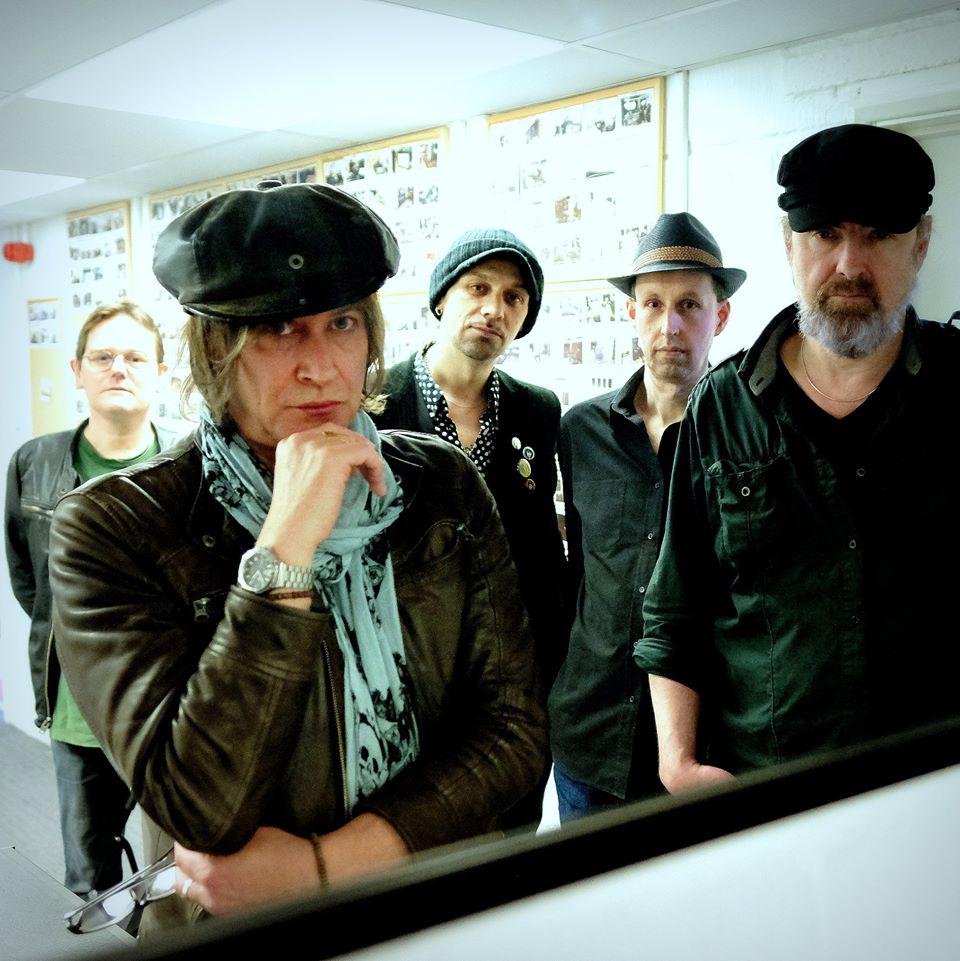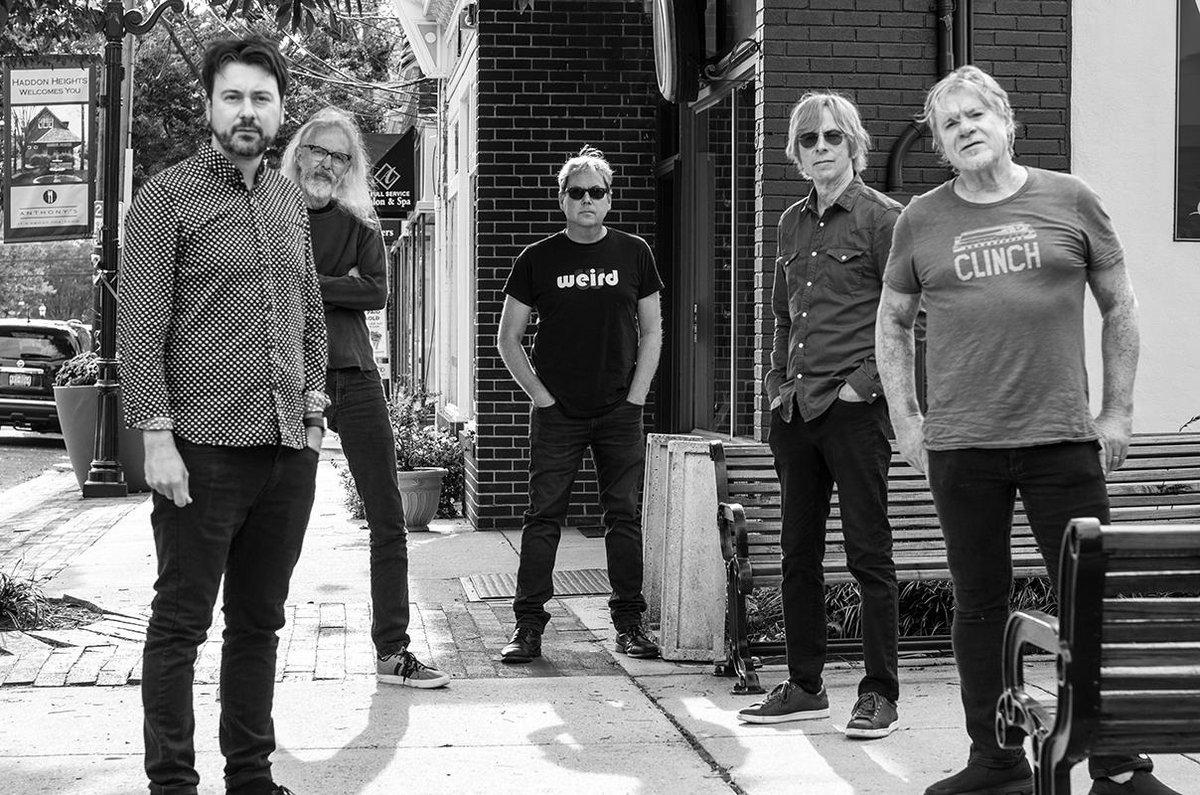
Smash Palace

Rock
Pop Rock
Power Pop
 Viberate Rank: 449706
 Viberate Rank: 449706
 Monthly ListenersFollowers
 Subscribers
 Followers
 Followers
 FansTop Spotify Songs
| Track | 7-Day Streams | |
|---|---|---|
1 | 166 | |
2 | 52 | |
3 | 43 | |
4 | 26 | |
5 | 21 |
Top YouTube VideosMonthly ListenersFeatured in Playlists| Playlist | Followers | |
|---|---|---|
1 | All Of It onelittleworld | 2.39K |
2 | Cuines 3Cat | 2.00K |
3 |  History of Power Pop Luthercal | 2.00K |
4 |  Alternative 80's Underground Phil Satterley | 1.22K |
Audience| City | Monthly Listeners | |
|---|---|---|
1 | | 40 |
2 | | 21 |
3 | | 18 |
4 | | 14 |
5 | | 14 |
See full performance history, audience data, playlist activity, rankings, comparisons, and more in Viberate music analytics. Start with a free trial, then continue with a paid plan.
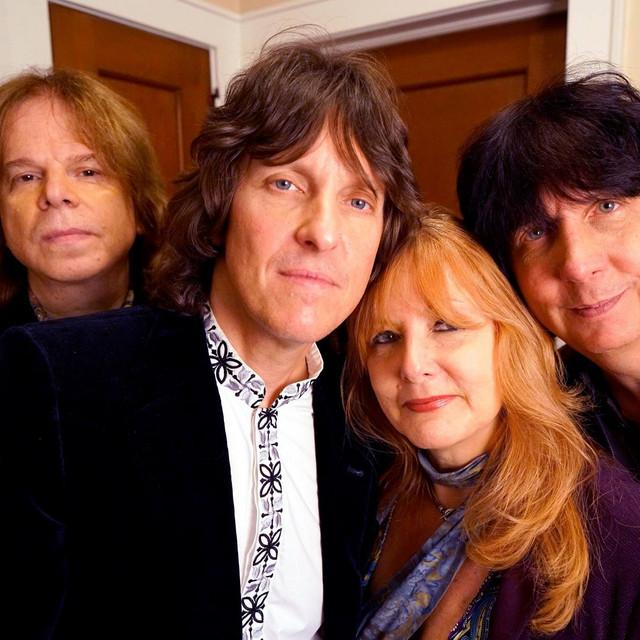
Smash Palace’s Spotify BioWhen co-vocalist Brian Butler left pop quintet Quincy, the band changed both their name (to Lulu Temple) and their musical direction (from pop to white-new wave-funk). When Brian's brother, guitarist Stephen Butler, followed Brian's lead and left Lulu Temple; the two rejoined forces and formed Smash Palace, a crunchy guitar band heavily influenced by British pop, both old and new. With bassist Phil Barnett, rhythm guitarist Greg Persun, and drummer Harry Lewis, the band signed to CBS and released their self-titled debut album in 1985. Though the album was geared for a larger audience than both Quincy and Lulu Temple and their "Living on the Borderline" gained significant airplay, sales were dismal and the band was dropped. For most bands, this would be the end of the story, but not for Smash Palace. Strangely enough, in 1999, Imagine Records released Fast, Long, Loud, a brand-new Smash Palace CD. Though the Butlers were the sole remaining members, the musical vision remained the same:… crunchy Brit-influenced guitar pop. With more intimate production, the new Smash Palace may not gain a larger audience than before, but they certainly deserve it. The darn thing rocks hard and better than bands half their age. ~ Steve Schnee, Rovi
Viberate is a music analytics platform built for A&Rs, artist managers, labels, booking agents, marketers, and artists.
It helps music professionals track artist growth, analyze audience data, monitor playlist activity, compare artists, follow song performance, and identify opportunities across the music market.
Public artist pages provide a free preview of selected artist data. Paid plans provide access to deeper analytics, historical data, charts, comparisons, playlist tools, exports, alerts, reports, and additional professional features.
Yes. Public Viberate artist pages provide selected artist analytics and music data for free.
Viberate also offers a 7-day free trial of the full platform. A credit card is required to start the trial. The trial includes access to the complete product so users can test deeper artist analytics, historical views, playlist insights, comparisons, charts, exports, alerts, and reporting features before choosing a paid plan.
Viberate provides artist analytics across streaming, playlists, social media, video, radio airplay, songs, and audience markets.
Users can analyze Spotify performance, Spotify and Apple Music playlists, YouTube activity, TikTok and Instagram growth, radio spins, song performance, audience locations, demographics, rankings, and overall artist momentum.
Artist profiles also connect to music charts, similar artists, and comparison tools, helping users benchmark performance and evaluate artists in context.
Viberate updates key artist and track data daily.
For followed artists and tracks, selected data is refreshed multiple times per day. This helps teams monitor playlist changes, streaming movement, audience growth, releases, and campaign performance with more current data.
Update frequency can vary depending on the metric and data source.
Yes. Viberate lets users compare up to five artists side by side across streaming, social media, audience, and engagement metrics.
Users can compare fanbase growth, audience demographics, locations, Spotify performance, social metrics, and other artist data over selected time periods.
Artist comparison can be used for A&R scouting, benchmarking, booking decisions, campaign planning, and evaluating artists with similar audiences or market positions.