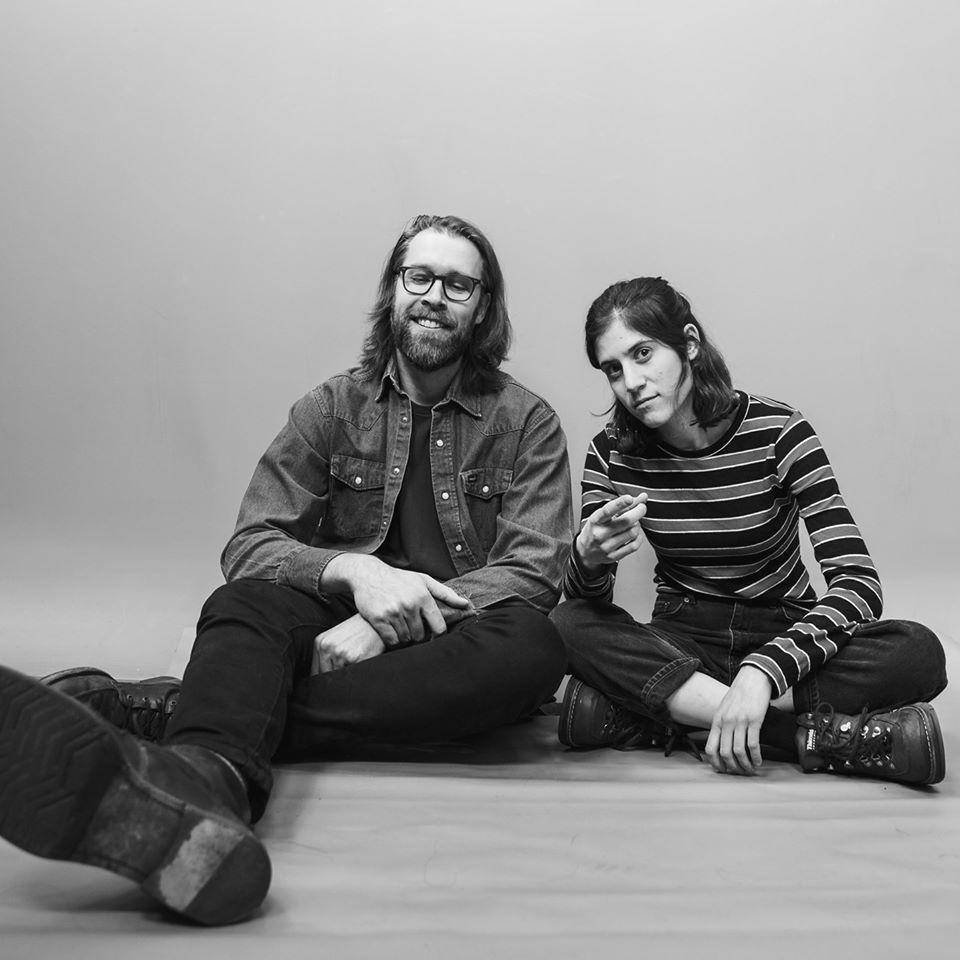
Slow Dress

Rock
Indie Rock
Folk Rock
 Viberate Rank: 754996
 Viberate Rank: 754996
 Monthly ListenersFollowers
 Subscribers
 Followers
 Followers
 FansTop Spotify Songs
| Track | 7-Day Streams | |
|---|---|---|
1 | 7 | |
2 | 6 | |
3 | 2 | |
4 | 2 | |
5 | 2 |
Top YouTube VideosMonthly ListenersFeatured in Playlists| Playlist | Followers | |
|---|---|---|
1 |  92.5 The River tap | 1.42K |
Audience| City | Monthly Listeners | |
|---|---|---|
1 | | 3 |
See full performance history, audience data, playlist activity, rankings, comparisons, and more in Viberate music analytics. Start with a free trial, then continue with a paid plan.
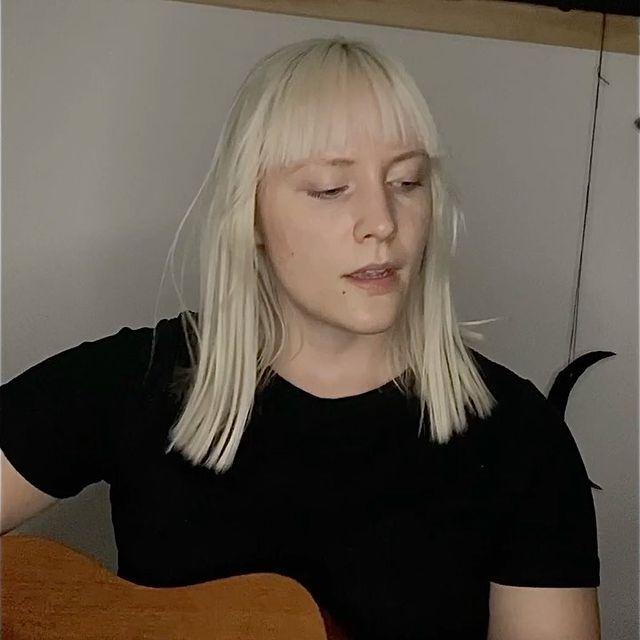
Slow Dress’ Spotify BioSlow Dress’s sound is as accessible as it is unnerving—an honest reflection of vocalist Katie Solomon’s thoughts on the uncertainty of life, love, and her emotions. Writing for Slow Dress, Solomon reaches to express the complexity of her often conflicting feelings.
Over Bredon Jones’s intricate guitar lines, Solomon explores her fears with wrenching vocals and an evolving self-understanding—evoking the sauntering, emphatic sound and confessional lyrics of artists like Julia Jacklin and Lucy Dacus. Tackling personal and existential questions with a sprinkle of apocalyptic dread, Slow Dress navigates the contradictory nature of being human.
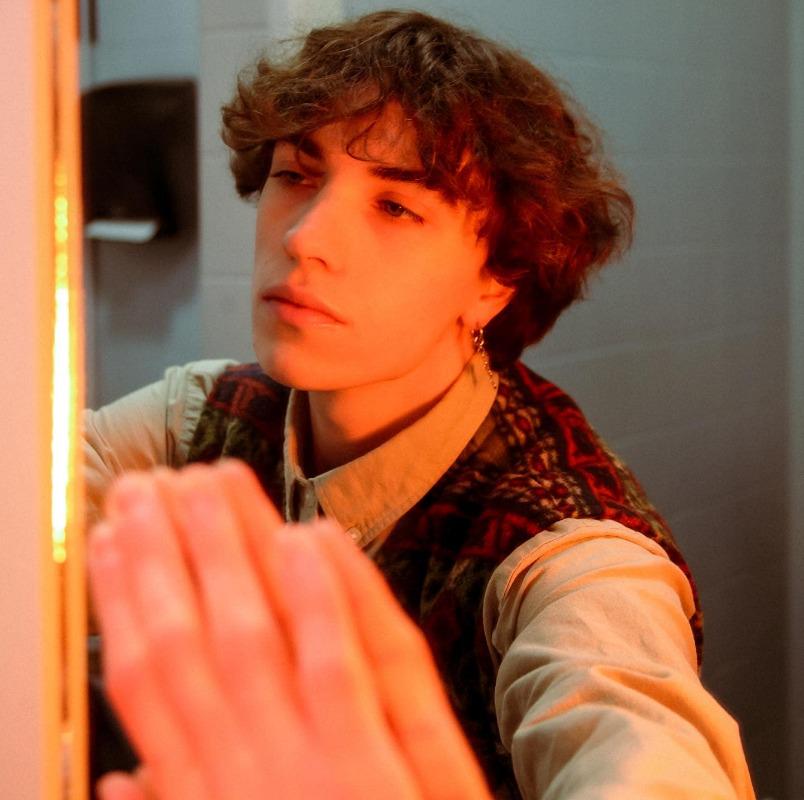
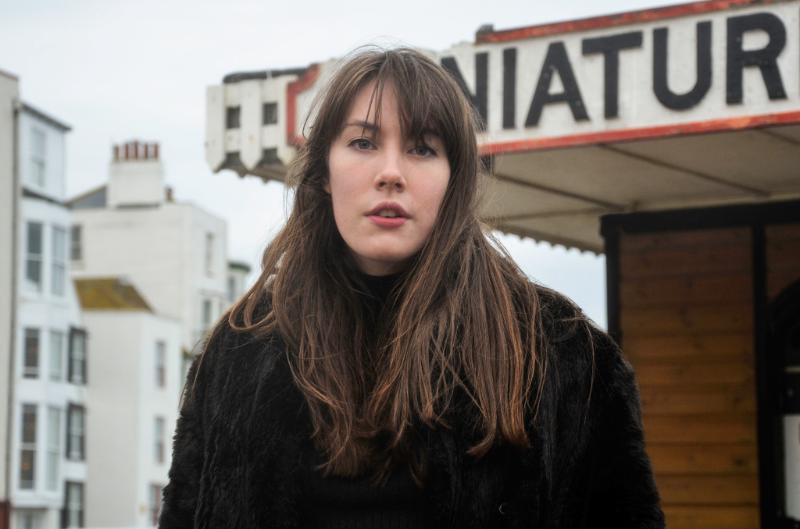
Solomon and Jones met at an open mic night at the Lizard Lounge in Boston. Jones was immediately drawn to Solomon’s voice—described by Allston Pudding as being “rightfully compared to the likes of Kate Bush and Florence Welch.” From 2016 to 2019, the two played together in Boston band Jakals, gaining a reputation as a band that “covers tough stuff,” as… Allston Pudding put it. After deciding to break off and form Slow Dress, they honed their uninhibited storytelling, trading in sonic heaviness for lyrical and musical intimacy. Zach Wulderk, formerly in Jakals, joined on bass, followed by Julia Mark, a singer-songwriter from the Boston area, on keys and backing vocals.
Support them directly for $3 /month on Ampled, an artist- and worker-owned cooperative platform! https://www.ampled.com/artist/slowdressmusic
Viberate is a music analytics platform built for A&Rs, artist managers, labels, booking agents, marketers, and artists.
It helps music professionals track artist growth, analyze audience data, monitor playlist activity, compare artists, follow song performance, and identify opportunities across the music market.
Public artist pages provide a free preview of selected artist data. Paid plans provide access to deeper analytics, historical data, charts, comparisons, playlist tools, exports, alerts, reports, and additional professional features.
Yes. Public Viberate artist pages provide selected artist analytics and music data for free.
Viberate also offers a 7-day free trial of the full platform. A credit card is required to start the trial. The trial includes access to the complete product so users can test deeper artist analytics, historical views, playlist insights, comparisons, charts, exports, alerts, and reporting features before choosing a paid plan.
Viberate provides artist analytics across streaming, playlists, social media, video, radio airplay, songs, and audience markets.
Users can analyze Spotify performance, Spotify and Apple Music playlists, YouTube activity, TikTok and Instagram growth, radio spins, song performance, audience locations, demographics, rankings, and overall artist momentum.
Artist profiles also connect to music charts, similar artists, and comparison tools, helping users benchmark performance and evaluate artists in context.
Viberate updates key artist and track data daily.
For followed artists and tracks, selected data is refreshed multiple times per day. This helps teams monitor playlist changes, streaming movement, audience growth, releases, and campaign performance with more current data.
Update frequency can vary depending on the metric and data source.
Yes. Viberate lets users compare up to five artists side by side across streaming, social media, audience, and engagement metrics.
Users can compare fanbase growth, audience demographics, locations, Spotify performance, social metrics, and other artist data over selected time periods.
Artist comparison can be used for A&R scouting, benchmarking, booking decisions, campaign planning, and evaluating artists with similar audiences or market positions.