Slow Coming Day

Rock
Indie Rock
Alternative Rock
 Viberate Rank: 572960
 Viberate Rank: 572960
 Monthly ListenersFollowers
 Subscribers
 Followers
 Followers
 FansTop Spotify SongsTop YouTube VideosMonthly ListenersFeatured in Playlists
| Playlist | Followers | |
|---|---|---|
1 |  Teenage Anthems Peter van den Hout | 3.59K |
2 | The Emo Diaries Chapter 1-13 Mitch Tobin | 2.13K |
3 |  2000s Emo Summer Headbangers isrl | 1.78K |
4 |  Tooth and Nail Records (1993 - 2004) Jake | 1.75K |
5 |  900+ emo & poppunk bands Eelke de Blouw | 1.54K |
Audience| City | Monthly Listeners | |
|---|---|---|
1 | | 8 |
2 | | 4 |
3 |  | 4 |
4 | | 4 |
5 | | 3 |
See full performance history, audience data, playlist activity, rankings, comparisons, and more in Viberate music analytics. Start with a free trial, then continue with a paid plan.
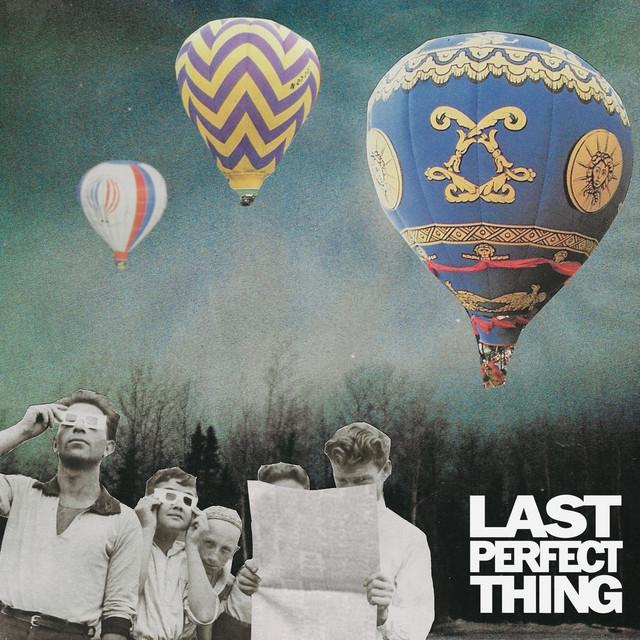
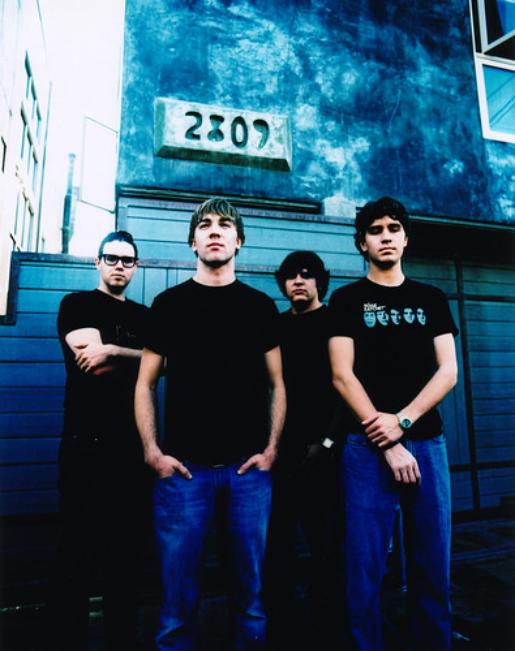
Slow Coming Day’s Spotify BioSlow Coming Day is an American indie rock band whose principals include Orion Walsh (vocals/guitar), Brad Smith (guitar), Dave Stoots (bass), and Matt Bailey (drums). Founded in 2002, Slow Coming Day moved quickly, self-releasing the Part of Me Died EP in July of that year. SCD contributed songs to various label comps, including the Deep Elm label's influential Emo Diaries series; a contract with emo/Christian powerhouse Tooth & Nail followed. Farewell to the Familiar appeared in late April 2003 from the label. Produced by Ed Rose (The Get Up Kids, The Appleseed Cast), the album featured re-recorded versions of songs from the debut EP, as well as new material. The band toured & played with many great bands such as Mae, Copeland, Emery, Further Seems Forever, The Juliana Theory, Twothirtyeight, Coheed and Cambria, Spitalfield, As Tall As Lions, Gatsbys American Dream, Waking Ashland, mewithoutYou, Anberlin, Brandtson, and Watashi Wa as well as many others over the years. After a… reunion concert at Joshua fest opening for for KING & COUNTRY in 2018, the band has decided to release a new full length album titled “1,000 Years (Like a Day) with the Indie Vision Music record label based in California.
Viberate is a music analytics platform built for A&Rs, artist managers, labels, booking agents, marketers, and artists.
It helps music professionals track artist growth, analyze audience data, monitor playlist activity, compare artists, follow song performance, and identify opportunities across the music market.
Public artist pages provide a free preview of selected artist data. Paid plans provide access to deeper analytics, historical data, charts, comparisons, playlist tools, exports, alerts, reports, and additional professional features.
Yes. Public Viberate artist pages provide selected artist analytics and music data for free.
Viberate also offers a 7-day free trial of the full platform. A credit card is required to start the trial. The trial includes access to the complete product so users can test deeper artist analytics, historical views, playlist insights, comparisons, charts, exports, alerts, and reporting features before choosing a paid plan.
Viberate provides artist analytics across streaming, playlists, social media, video, radio airplay, songs, and audience markets.
Users can analyze Spotify performance, Spotify and Apple Music playlists, YouTube activity, TikTok and Instagram growth, radio spins, song performance, audience locations, demographics, rankings, and overall artist momentum.
Artist profiles also connect to music charts, similar artists, and comparison tools, helping users benchmark performance and evaluate artists in context.
Viberate updates key artist and track data daily.
For followed artists and tracks, selected data is refreshed multiple times per day. This helps teams monitor playlist changes, streaming movement, audience growth, releases, and campaign performance with more current data.
Update frequency can vary depending on the metric and data source.
Yes. Viberate lets users compare up to five artists side by side across streaming, social media, audience, and engagement metrics.
Users can compare fanbase growth, audience demographics, locations, Spotify performance, social metrics, and other artist data over selected time periods.
Artist comparison can be used for A&R scouting, benchmarking, booking decisions, campaign planning, and evaluating artists with similar audiences or market positions.