Slipmatt

Electronic
Hardstyle/Hardcore
Breakbeat
 Viberate Rank: 75082
 Viberate Rank: 75082
 Monthly ListenersFollowers
 Subscribers
 Followers
 Followers
 FansTop Spotify Songs
| Track | 7-Day Streams | |
|---|---|---|
1 | 6.09K | |
2 | 1.09K | |
3 | 1.08K | |
4 | 444 | |
5 | 350 |
Top YouTube VideosMonthly ListenersFeatured in Playlists| Playlist | Followers | |
|---|---|---|
1 |  Love Regenerator Playlist Calvin Harris | 130.34K |
2 |  Jungle Classics Spotify | 102.40K |
3 | Techno Classics 1993-2001 Daniel Dallmann | 29.54K |
4 |  Old Skool Dance Classics Peter | 28.69K |
5 |  Warehouse Rave 1989-1994 Paul Malone | 26.47K |
Audience| City | Monthly Listeners | |
|---|---|---|
1 | | 2.41K |
2 | | 927 |
3 | | 535 |
4 | | 363 |
5 | | 328 |
See full performance history, audience data, playlist activity, rankings, comparisons, and more in Viberate music analytics. Start with a free trial, then continue with a paid plan.
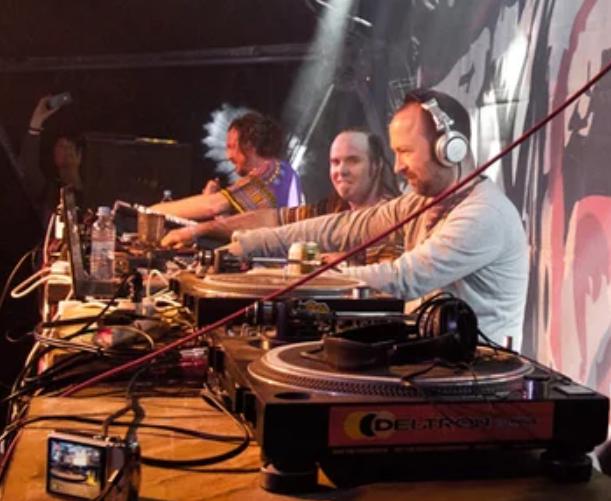
Slipmatt’s Spotify BioAn early chart hero during the early-'90s rave explosion and the leader of the growing happy hardcore nation later in the decade, Slipmatt changed the course of hardcore techno towards a serious artist-oriented direction -- more in line with earlier dance styles like house, techno and drum'n'bass, all of which endured a period of critical rebuke before emerging as styles "worthy" of critical comment and praise. As a DJ, producer, dance-mag reviewer and head of the crucial United Dance label, he became the don of happy hardcore.
Born and raised in Essex, Slipmatt loved music from an early age and became entranced with punk, ska and dub during the early '80s. After working for a mobile DJ from the age of 16, he bought his own turntables and started mixing records by himself. A partnership with another DJ, Lime, resulted in the single "Do That Dance," recorded as SL2 for B-Ware Records. The duo self-released their second record, "DJs Take Control," which just narrowly missed the British… Top Ten in late 1991. Their next single, "On a Ragga Tip," became another rave anthem, tied to the emergence of rastafied breakbeat techno -- exemplified by the Prodigy and Shut Up and Dance, and a heavy influence on the development of jungle/drum'n'bass several years later. After being licensed to XL Recordings, it stormed to the number four position in the British charts.
SL2 disintegrated soon after however, leaving Slipmatt back in the rave scene, which was fast turning underground. Instead of following the emerging dark sound, he decided to promote the original positive vibes of rave by forming Universal, Awesome and United Dance Records. By the mid-'90s, a quite respectable scene was evolving out of the sound, dubbed happy hardcore. Though critical respect was in a minority, Slipmatt began getting much attention and even a few cover stories as the leader. He mixed four volumes in the Mixmag Live! series (one with old pal Lime) and an equal number for the United Dance series, including the excellent retrospective United Dance Presents: The Anthems 92-97. ~ John Bush, Rovi
Viberate is a music analytics platform built for A&Rs, artist managers, labels, booking agents, marketers, and artists.
It helps music professionals track artist growth, analyze audience data, monitor playlist activity, compare artists, follow song performance, and identify opportunities across the music market.
Public artist pages provide a free preview of selected artist data. Paid plans provide access to deeper analytics, historical data, charts, comparisons, playlist tools, exports, alerts, reports, and additional professional features.
Yes. Public Viberate artist pages provide selected artist analytics and music data for free.
Viberate also offers a 7-day free trial of the full platform. A credit card is required to start the trial. The trial includes access to the complete product so users can test deeper artist analytics, historical views, playlist insights, comparisons, charts, exports, alerts, and reporting features before choosing a paid plan.
Viberate provides artist analytics across streaming, playlists, social media, video, radio airplay, songs, and audience markets.
Users can analyze Spotify performance, Spotify and Apple Music playlists, YouTube activity, TikTok and Instagram growth, radio spins, song performance, audience locations, demographics, rankings, and overall artist momentum.
Artist profiles also connect to music charts, similar artists, and comparison tools, helping users benchmark performance and evaluate artists in context.
Viberate updates key artist and track data daily.
For followed artists and tracks, selected data is refreshed multiple times per day. This helps teams monitor playlist changes, streaming movement, audience growth, releases, and campaign performance with more current data.
Update frequency can vary depending on the metric and data source.
Yes. Viberate lets users compare up to five artists side by side across streaming, social media, audience, and engagement metrics.
Users can compare fanbase growth, audience demographics, locations, Spotify performance, social metrics, and other artist data over selected time periods.
Artist comparison can be used for A&R scouting, benchmarking, booking decisions, campaign planning, and evaluating artists with similar audiences or market positions.