Sleepytime Gorilla Museum

Metal
Progressive Metal
Alternative Metal
Progressive Rock
 Viberate Rank: 152592
 Viberate Rank: 152592
 Monthly ListenersFollowers
 Subscribers
 Followers
 Followers
 FansTop Spotify SongsTop YouTube VideosMonthly ListenersFeatured in Playlists
| Playlist | Followers | |
|---|---|---|
1 |  Progressive Metal Spotify | 572.64K |
2 |  The Sound of Everything The Sounds of Spotify | 53.82K |
3 | Industrial music for industrial people⚙️ Michael Alexander | 21.36K |
4 |  SATANIC MUSIC IMBOLC 🧚♂️ | 19.47K |
5 |  songs to eat glass to Machine Girl | 8.89K |
Audience| City | Monthly Listeners | |
|---|---|---|
1 | | 127 |
2 |  | 105 |
3 |  | 88 |
4 | | 87 |
5 | | 81 |
See full performance history, audience data, playlist activity, rankings, comparisons, and more in Viberate music analytics. Start with a free trial, then continue with a paid plan.
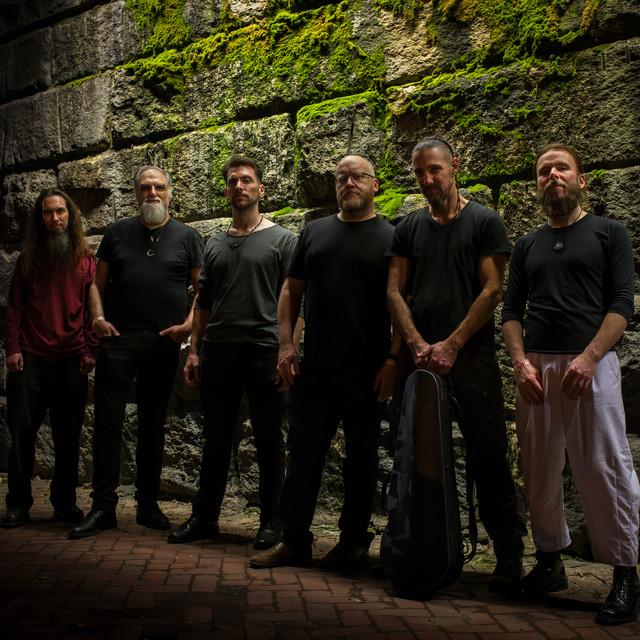
Sleepytime Gorilla Museum’s Spotify BioPerformance art, art rock, experimental rock, heavy metal -- all are styles of music that have been used to explain one of the more hard to explain bands in all of rock, Sleepytime Gorilla Museum. Some critics have compared the band -- which hails from Oakland, California -- to one of the quirkiest bands of all time, Mr. Bungle, and they may have a point (after all, like Bungle, SGM are not opposed to any musical style, and one of their albums was originally released by a label run by an ex-Bungle member, Trey Spruance). Strange costumes, makeup, and instruments that are both traditional and homemade turn out to be some of the key ingredients to Sleepytime Gorilla Museum, who have built a sizable cult following along the way. Comprised of members -- deep breath now -- Matthias Bossi (drums, glockenspiel, xylophone, vocals), Nils Frykdahl (guitar, flute, vocals), Carla Kihlstedt (violin, percussion guitar, autoharp, organ, vocals), Michael Mellender (percussion, assorted melodic… instruments, vocals), and Dan Rathbun (bass, piano log, trombone, lute, vocals), SGM originally formed in 1999. Along the way, the group has released several long-players, including 2001's Grand Opening and Closing, 2003's Live, and 2004's Of Natural History. In 2006, the group signed with the End label, which promptly reissued Grand Opening and Closing with additional bonus tracks, and a year later, the group's fourth studio effort overall, 2007's In Glorious Times. Additionally, most of the Sleepytime Gorilla Museum members have also be spotted in other bands past and present -- some of the more interestingly titled ones being Faun Fables, Idiot Flesh, Mute Socialite, Tin Hat, and 2 Foot Yard, among others. ~ Greg Prato, Rovi
Viberate is a music analytics platform built for A&Rs, artist managers, labels, booking agents, marketers, and artists.
It helps music professionals track artist growth, analyze audience data, monitor playlist activity, compare artists, follow song performance, and identify opportunities across the music market.
Public artist pages provide a free preview of selected artist data. Paid plans provide access to deeper analytics, historical data, charts, comparisons, playlist tools, exports, alerts, reports, and additional professional features.
Yes. Public Viberate artist pages provide selected artist analytics and music data for free.
Viberate also offers a 7-day free trial of the full platform. A credit card is required to start the trial. The trial includes access to the complete product so users can test deeper artist analytics, historical views, playlist insights, comparisons, charts, exports, alerts, and reporting features before choosing a paid plan.
Viberate provides artist analytics across streaming, playlists, social media, video, radio airplay, songs, and audience markets.
Users can analyze Spotify performance, Spotify and Apple Music playlists, YouTube activity, TikTok and Instagram growth, radio spins, song performance, audience locations, demographics, rankings, and overall artist momentum.
Artist profiles also connect to music charts, similar artists, and comparison tools, helping users benchmark performance and evaluate artists in context.
Viberate updates key artist and track data daily.
For followed artists and tracks, selected data is refreshed multiple times per day. This helps teams monitor playlist changes, streaming movement, audience growth, releases, and campaign performance with more current data.
Update frequency can vary depending on the metric and data source.
Yes. Viberate lets users compare up to five artists side by side across streaming, social media, audience, and engagement metrics.
Users can compare fanbase growth, audience demographics, locations, Spotify performance, social metrics, and other artist data over selected time periods.
Artist comparison can be used for A&R scouting, benchmarking, booking decisions, campaign planning, and evaluating artists with similar audiences or market positions.