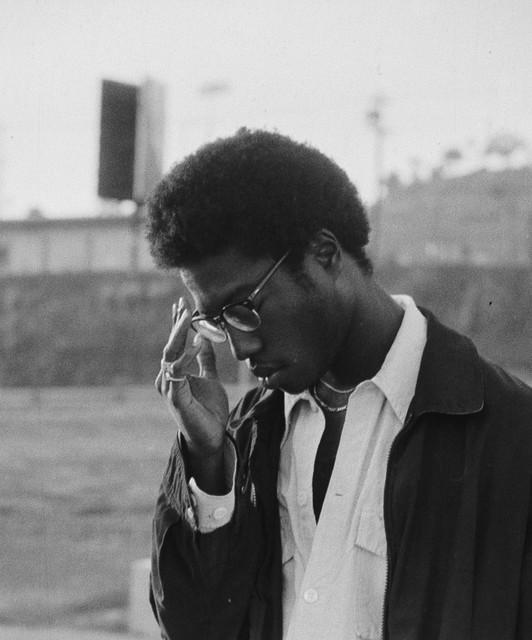
Sleepyiki

Hip Hop
Contemporary Hip Hop
 Viberate Rank: 532712
 Viberate Rank: 532712
 Monthly ListenersFollowers
 Subscribers
 Followers
 Followers
 FansTop Spotify Songs
| Track | 7-Day Streams | |
|---|---|---|
1 | 92 | |
2 | 28 | |
3 | 27 | |
4 | 16 | |
5 | 16 |
Top YouTube VideosMonthly ListenersFeatured in Playlists| Playlist | Followers | |
|---|---|---|
1 |  ~Alternative Hip-Hop, Lo-Fi Rap, Chillhop, Psychedelic Rap & Beats~ Shroopy | 9.72K |
2 |  Slow Flow Hip Hop Tommy Danger | 5.99K |
3 | /r/snowboarding Jason | 5.63K |
4 |  ~Electric Context~ Shroopy | 5.48K |
5 |  TRAP Playlist Curator Submission 3 | 3.94K |
Audience| City | Monthly Listeners | |
|---|---|---|
1 | | 26 |
2 | | 25 |
3 | | 18 |
4 | | 15 |
5 | | 10 |
See full performance history, audience data, playlist activity, rankings, comparisons, and more in Viberate music analytics. Start with a free trial, then continue with a paid plan.
Sleepyiki’s Spotify BioBorn on September 14th, 1997, Sleepyiki (birth name Jeremiah Smith), is an innovative force emerging from Long Island (Hempstead), NY who deftly navigates the sonic worlds of hip hop, house, and experimental music. Since releasing music publicly in 2019, he has captivated listeners with a sound that seamlessly blends his own originality, influences and introspective and extrospective themes. His influences include Childish Gambino, Kid Cudi, Anderson .Paak, Isaiah Rashad, and Porter Robinson.
Sleepyiki's musical journey began in childhood, when he picked up the alto saxophone in the third grade. This foundational experience paved the way for his involvement in the concert band and jazz band during high school, where he honed his skills and cultivated a deep appreciation for musical fusion. Middle school marked a pivotal moment as he obtained his first torrent version of FL Studio with the help of his friend JaRaDee, igniting a passion for production and experimentation.
Sleepyiki crafts… immersive soundscapes that resonate deeply with a diverse audience. With each release, he invites listeners on a journey through lush, genre-blending soundscapes, bringing a refreshing voice to today's music scene. His commitment to exploring new musical horizons ensures that he remains a compelling artist to watch, listen to, and experience.
dontsleeponiki
スリーピーイキ
vibe out,much love ~
Viberate is a music analytics platform built for A&Rs, artist managers, labels, booking agents, marketers, and artists.
It helps music professionals track artist growth, analyze audience data, monitor playlist activity, compare artists, follow song performance, and identify opportunities across the music market.
Public artist pages provide a free preview of selected artist data. Paid plans provide access to deeper analytics, historical data, charts, comparisons, playlist tools, exports, alerts, reports, and additional professional features.
Yes. Public Viberate artist pages provide selected artist analytics and music data for free.
Viberate also offers a 7-day free trial of the full platform. A credit card is required to start the trial. The trial includes access to the complete product so users can test deeper artist analytics, historical views, playlist insights, comparisons, charts, exports, alerts, and reporting features before choosing a paid plan.
Viberate provides artist analytics across streaming, playlists, social media, video, radio airplay, songs, and audience markets.
Users can analyze Spotify performance, Spotify and Apple Music playlists, YouTube activity, TikTok and Instagram growth, radio spins, song performance, audience locations, demographics, rankings, and overall artist momentum.
Artist profiles also connect to music charts, similar artists, and comparison tools, helping users benchmark performance and evaluate artists in context.
Viberate updates key artist and track data daily.
For followed artists and tracks, selected data is refreshed multiple times per day. This helps teams monitor playlist changes, streaming movement, audience growth, releases, and campaign performance with more current data.
Update frequency can vary depending on the metric and data source.
Yes. Viberate lets users compare up to five artists side by side across streaming, social media, audience, and engagement metrics.
Users can compare fanbase growth, audience demographics, locations, Spotify performance, social metrics, and other artist data over selected time periods.
Artist comparison can be used for A&R scouting, benchmarking, booking decisions, campaign planning, and evaluating artists with similar audiences or market positions.