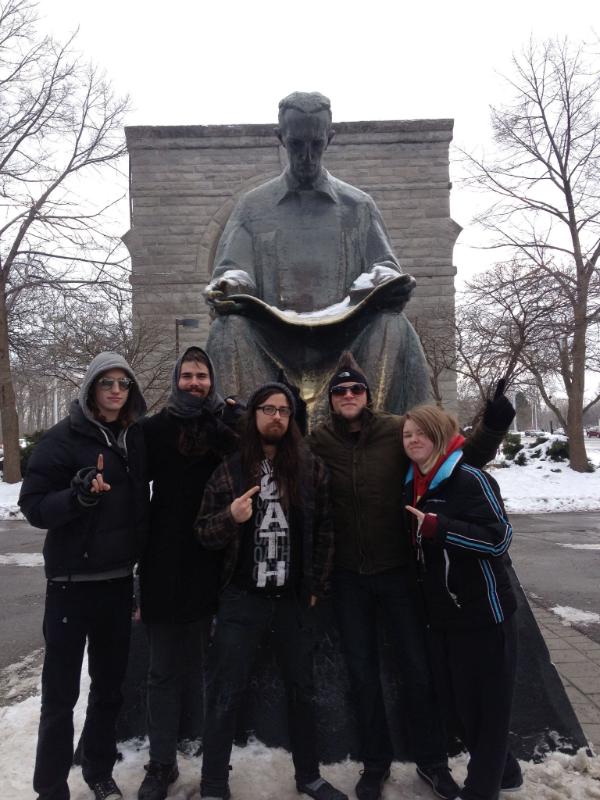
Sleeping Giant

Metal
Progressive Metal
Pop Rock
 Viberate Rank: 82529
 Viberate Rank: 82529
 Monthly ListenersFollowers
 Subscribers
 Followers
 Followers
 FansTop Spotify Songs
| Track | 7-Day Streams | |
|---|---|---|
1 | 10.37K | |
2 | 7.14K | |
3 | 5.66K | |
4 | 3.88K | |
5 | 3.57K |
Top YouTube Videos| Video | 7-Day Views | |
|---|---|---|
1 | 101 | |
2 | 85 | |
3 | 62 | |
4 | 59 | |
5 | 28 |
Monthly ListenersFeatured in Playlists| Playlist | Followers | |
|---|---|---|
1 |  HEAVY METAL PESADO Metal | 31.92K |
2 |  Christian Heavy Metal Fabian Braun | 21.06K |
3 |  The Best of Christian Metal Transparent Music | 10.02K |
4 |  Christian Metal! 777 Rasmus Rasmussen | 9.41K |
5 |  Christian Metalcore SHADRACK | 8.73K |
Audience| City | Monthly Listeners | |
|---|---|---|
1 | | 1.03K |
2 |  | 883 |
3 | | 714 |
4 | | 664 |
5 | | 658 |
See full performance history, audience data, playlist activity, rankings, comparisons, and more in Viberate music analytics. Start with a free trial, then continue with a paid plan.
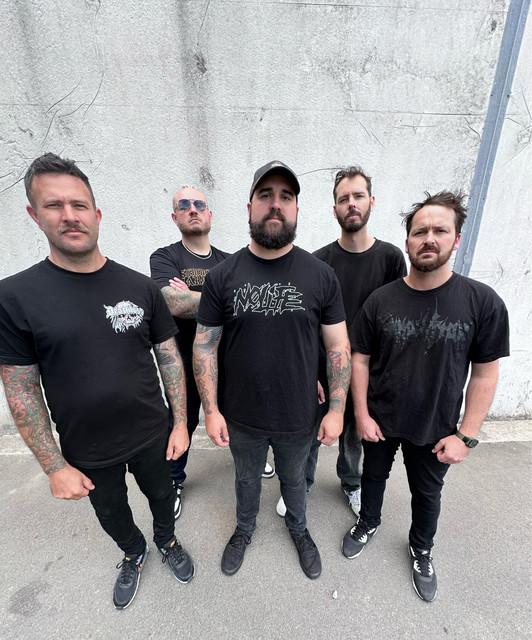
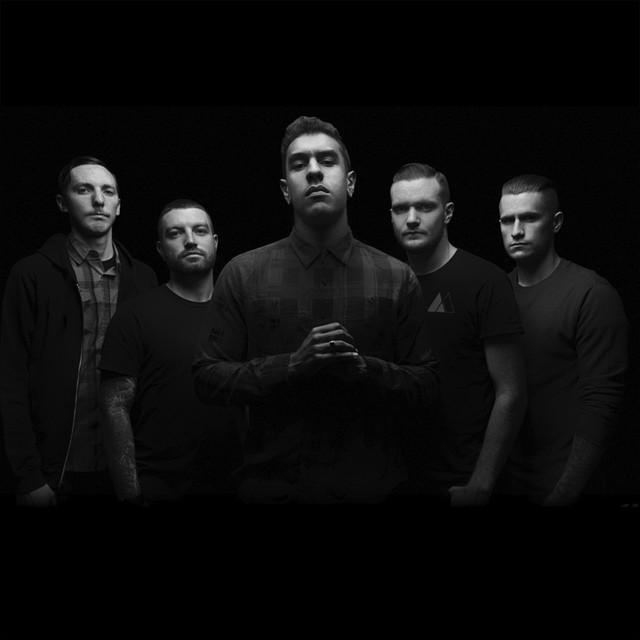
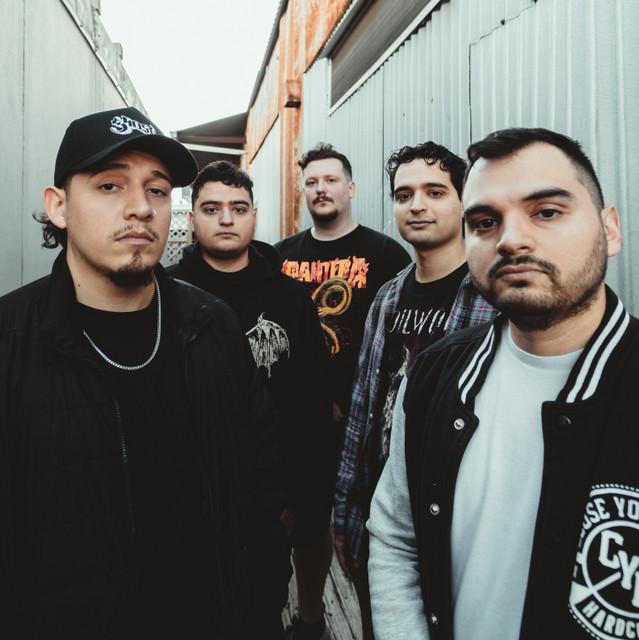
Sleeping Giant’s Spotify BioSpreading the word of the Bible through the searing sound of heavy metal, Redlands, California band Sleeping Giant deliver powerful messages through punishing music. Formed in 2006 by former members of the hardcore band xdeathstarx, Sleeping Giant -- made up of singer Thom Green, guitarists Geoff Brouillette and Eric Gregson, bassist J.R. Bermuda, and drummer Matt Weir -- are as much a ministry as they are a band, and they take great strides to make sure their message is out in the open and not obscured or hidden in any way. The band made its debut in 2007 with Dread Champions of the Last Days, following up in 2009 with the sophomore effort Sons of Thunder, with both albums appearing on Facedown Records. After jumping to Ain't No Grave Records, the quintet released its third album, Kingdom Days in an Evil Age, in 2011. Eventually, Sleeping Giant switched labels to Century Media, where the Christian metal outfit released its fourth album, Finished People, in 2014. In 2018, the band… returned to Facedown Records for what was planned as Sleeping Giant's final full-length album, I Am, which included the single "No Love." ~ Gregory Heaney
Viberate is a music analytics platform built for A&Rs, artist managers, labels, booking agents, marketers, and artists.
It helps music professionals track artist growth, analyze audience data, monitor playlist activity, compare artists, follow song performance, and identify opportunities across the music market.
Public artist pages provide a free preview of selected artist data. Paid plans provide access to deeper analytics, historical data, charts, comparisons, playlist tools, exports, alerts, reports, and additional professional features.
Yes. Public Viberate artist pages provide selected artist analytics and music data for free.
Viberate also offers a 7-day free trial of the full platform. A credit card is required to start the trial. The trial includes access to the complete product so users can test deeper artist analytics, historical views, playlist insights, comparisons, charts, exports, alerts, and reporting features before choosing a paid plan.
Viberate provides artist analytics across streaming, playlists, social media, video, radio airplay, songs, and audience markets.
Users can analyze Spotify performance, Spotify and Apple Music playlists, YouTube activity, TikTok and Instagram growth, radio spins, song performance, audience locations, demographics, rankings, and overall artist momentum.
Artist profiles also connect to music charts, similar artists, and comparison tools, helping users benchmark performance and evaluate artists in context.
Viberate updates key artist and track data daily.
For followed artists and tracks, selected data is refreshed multiple times per day. This helps teams monitor playlist changes, streaming movement, audience growth, releases, and campaign performance with more current data.
Update frequency can vary depending on the metric and data source.
Yes. Viberate lets users compare up to five artists side by side across streaming, social media, audience, and engagement metrics.
Users can compare fanbase growth, audience demographics, locations, Spotify performance, social metrics, and other artist data over selected time periods.
Artist comparison can be used for A&R scouting, benchmarking, booking decisions, campaign planning, and evaluating artists with similar audiences or market positions.